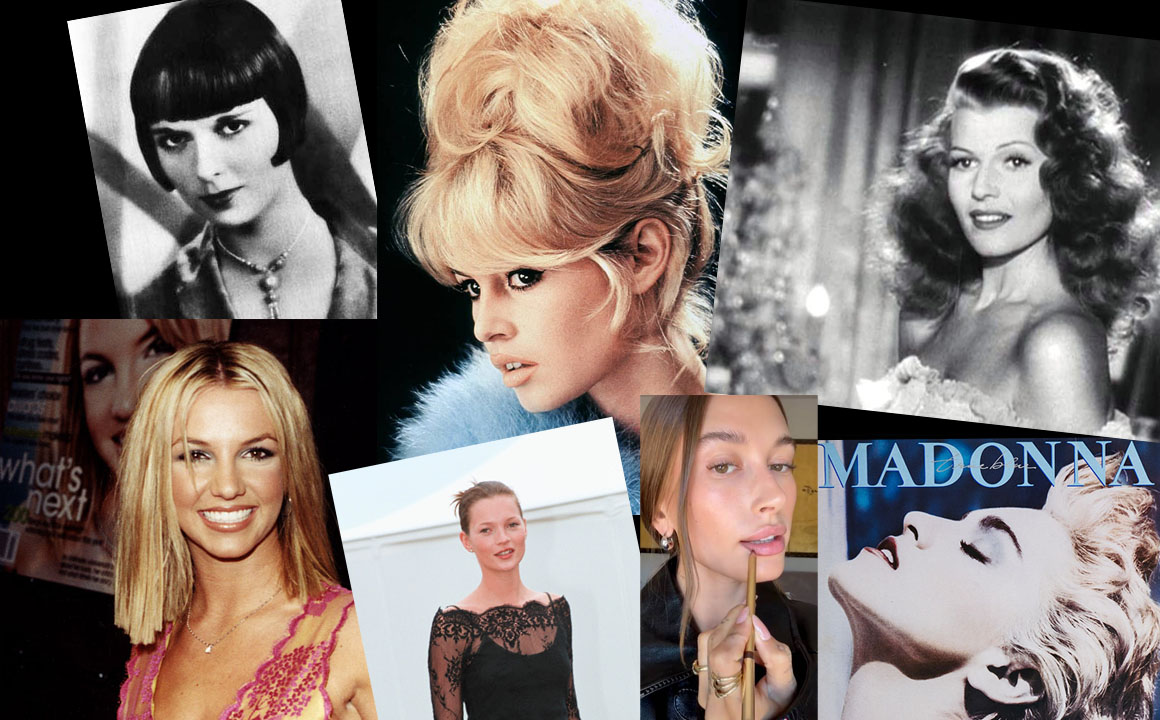
The Evolution of Beauty and Cosmetics Across the Globe – Beauty and cosmetics have always been more than just tools for appearance. Across different civilizations, makeup and skincare reflected culture, status, beliefs, and even survival. From ancient rituals to modern global industries, the evolution of beauty and cosmetics tells a fascinating story of how humans have expressed identity and creativity throughout history.
Today’s beauty trends may feel modern and innovative, but many of their roots go back thousands of years. By understanding how cosmetics evolved across the globe, we gain deeper insight into why beauty continues to play such a powerful role in human society.
Ancient Origins of Beauty and Cosmetics
Early Beauty Practices in Ancient Civilizations
The earliest evidence of cosmetics dates back to ancient Egypt around 4000 BCE. Egyptians used natural ingredients such as kohl, charcoal, and crushed minerals to enhance their eyes. These cosmetics were not only decorative but also believed to offer spiritual protection and shield the skin from harsh sunlight.
In Mesopotamia, both men and women used scented oils and pigments to decorate their bodies. Beauty was closely tied to social class, with wealthier individuals having access to more refined cosmetic materials. Meanwhile, ancient Chinese and Japanese cultures focused heavily on skincare, favoring pale, smooth skin as a symbol of nobility and refinement.
Across the Indus Valley and early Indian civilizations, beauty rituals included herbal pastes, oils, and dyes derived from plants. Henna, for example, was used not only for decoration but also for its cooling and medicinal properties.
Beauty as Symbolism and Power
In many ancient cultures, cosmetics were deeply symbolic. In ancient Rome and Greece, beauty routines reflected wealth, health, and morality. Fair skin was admired because it suggested a life free from manual labor. Women used chalk, lead-based powders, and natural dyes, often unaware of the long-term health risks.
Similarly, in Africa, beauty rituals varied widely between regions. Natural clays, oils, and pigments were used for ceremonies, protection, and storytelling. These practices emphasized connection to nature and cultural identity rather than imitation of external beauty standards.
The Middle Ages to Renaissance: Shifting Beauty Ideals
Beauty and Religion in the Middle Ages
During the Middle Ages in Europe, cosmetics experienced a decline due to religious influence. Makeup was often viewed as deceitful or sinful, associated with vanity and temptation. Despite this, skincare remained important, with herbal remedies and natural treatments widely used.
In contrast, the Islamic Golden Age saw significant advancements in cosmetics and perfumery. Scholars developed refined distillation techniques, leading to the creation of perfumes, essential oils, and skincare formulations that influenced Europe for centuries.
Renaissance Revival of Cosmetics
The Renaissance marked a renewed interest in beauty and self-expression. Pale skin, rosy cheeks, and bright eyes became fashionable once again. However, many cosmetic products still contained harmful ingredients like mercury and lead.
During this era, beauty became closely connected to art, fashion, and status. Women and men alike participated in beauty routines, signaling sophistication and cultural awareness. This period laid the groundwork for cosmetics becoming a commercial product rather than purely homemade remedies.
The Global Expansion of Cosmetics in the Modern Era
Industrialization and the Birth of the Beauty Industry
The 19th and early 20th centuries transformed cosmetics forever. Industrialization made beauty products more accessible to the general public. Brands began producing standardized products, and advertising played a major role in shaping beauty ideals.
In Europe and the United States, cosmetics shifted from being associated with theater and aristocracy to everyday use. Lipstick, foundation, and skincare products entered mainstream culture, especially as women gained more independence and visibility in public life.
At the same time, traditional beauty practices in Asia, Africa, and Latin America continued to influence local markets. Ingredients such as rice powder, shea butter, aloe vera, and botanical oils gained recognition beyond their regions of origin.
Beauty Across Cultures in the 20th Century
As global travel and media expanded, beauty standards began to cross borders. Hollywood films, fashion magazines, and later television introduced Western beauty ideals worldwide. However, local cultures adapted these influences rather than abandoning their traditions completely.
In Japan and South Korea, skincare became a central part of beauty culture, emphasizing prevention, hydration, and long-term skin health. In India, Ayurveda-inspired beauty products gained renewed popularity, blending ancient wisdom with modern science.
Africa and the Caribbean continued to celebrate natural ingredients and hair textures, although global beauty standards often pressured conformity. Over time, resistance to these pressures fueled movements centered on inclusivity and cultural pride.
The Digital Age and the Future of Beauty
Social Media and Global Beauty Trends
The rise of social media dramatically changed the beauty industry. Platforms like Instagram, YouTube, and TikTok allowed beauty trends to spread globally in seconds. Makeup techniques, skincare routines, and product reviews became accessible to anyone with an internet connection.
This digital shift also gave rise to diverse beauty influencers, representing different skin tones, body types, and cultural backgrounds. As a result, beauty standards became more inclusive and personalized than ever before.
Brands began responding to consumer demand for authenticity, sustainability, and transparency. Clean beauty, cruelty-free products, and eco-friendly packaging gained popularity across global markets.
A Return to Roots with Modern Innovation
Interestingly, the future of cosmetics appears to be circling back to its origins. Consumers are increasingly interested in natural ingredients, traditional beauty rituals, and holistic self-care. Ancient practices from various cultures are being reimagined through modern technology and scientific research.
From herbal skincare to minimalist makeup routines, the global beauty industry continues to evolve while honoring its past. Beauty is no longer just about appearance, but about wellness, confidence, and self-expression.
Conclusion: Beauty as a Universal Language
The evolution of beauty and cosmetics across the globe shows that while trends change, the human desire to express identity remains constant. From ancient rituals to digital-age innovations, cosmetics have always reflected cultural values, social structures, and personal beliefs.
As the world becomes more connected, beauty continues to unite traditions and technologies, creating a richer and more inclusive global landscape. Understanding this evolution not only enhances our appreciation of cosmetics but also reminds us that beauty, in all its forms, is deeply human.