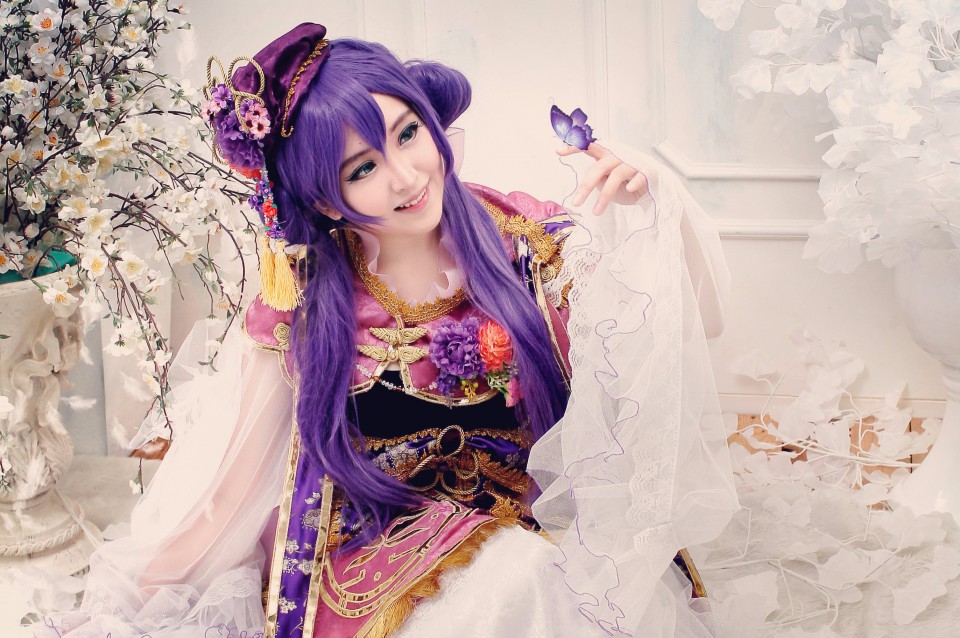
Beauty Standards in Isekai Worlds Magic Elves and Style
Beauty Standards in Isekai Worlds Magic Elves and Style – In the world of anime, particularly the isekai genre, there’s a fascinating intersection between fantasy, magic, and beauty standards. These standards, often portrayed through various magical worlds, are key to understanding the aesthetic culture of these universes. Magic and mythical creatures, like elves, play a central role in setting and defining what is considered beautiful. The isekai genre, with its distinct blend of fantasy, adventure, and often surreal aesthetics, offers a unique lens for analyzing how beauty standards evolve when shaped by magic, otherworldly powers, and fantastical beings.
The Role of Magic in Shaping Beauty Standards
Magic in isekai worlds isn’t just a tool for combat or survival, it also plays a significant role in how beauty is perceived and expressed. In many isekai settings, magic can alter the very fabric of reality. It allows characters to transform their appearances, shape-shift, or even remain eternally youthful, creating an environment where beauty is not tied to the limitations of the real world.
In some cases, magic enables characters to meet an idealized standard of beauty. For instance, powerful mages can use magic to enhance their physical appearance, making themselves look younger, more radiant, or even perfect in every way. This flexibility in appearance creates a beauty standard that’s not restricted to natural limitations but is instead a fluid, changeable concept.
This approach to beauty also connects to the notion of power. In many isekai worlds, those who wield magic, especially powerful magic, are often seen as more beautiful or attractive. The ability to manipulate elements, control time, or even heal others is associated with a higher status and, consequently, a heightened perception of beauty.
Elves and Their Enduring Beauty
When talking about beauty in isekai worlds, it’s impossible to ignore the elves. These mythical creatures are often depicted as the epitome of beauty, elegance, and grace. Their long lifespans, often extending hundreds or even thousands of years, contribute to their ageless beauty. Elves are typically portrayed as having flawless skin, striking features, and perfect proportions, attributes that reinforce the idea of an unattainable standard of beauty.
Elven beauty is also often linked to their magical heritage. Elves are usually depicted as highly attuned to nature and magic, often having an innate connection to the world around them. This connection is symbolized in their physical appearance, often, their beauty is described as otherworldly, with features that seem to embody the natural beauty of forests, stars, and other magical realms.
In many isekai worlds, elves are not only depicted as physically beautiful but also culturally revered for their wisdom and elegance. They carry themselves with a level of refinement that only enhances their beauty in the eyes of others. In a sense, the elven beauty standard combines not just physical attributes but also a sense of grace and wisdom that makes them appear both ageless and timeless.
The Magic of Fashion: Clothing and Beauty
Fashion plays an important role in defining beauty in many isekai worlds. Since characters often come from different dimensions or have magical abilities, their clothing and style choices can reflect their personalities, statuses, and the magical abilities they wield.
In most isekai series, the fashion is designed to reflect the fantastical nature of the world. Characters often wear clothing that emphasizes their magical powers or cultural heritage. For example, mages may wear robes or cloaks that signify their magical prowess, while warriors may wear armor that not only protects them but also showcases their strength and beauty. The way characters dress adds layers to their persona, making fashion an integral part of how beauty is expressed.
In addition to the practical aspect, many isekai worlds place a heavy emphasis on beauty through extravagant clothing. Elaborate dresses, shimmering fabrics, and intricately designed accessories become symbols of power and status. These garments are often crafted from magical materials, further elevating the wearer’s status and beauty. The influence of magic in these clothing designs allows for bold, otherworldly aesthetics that define the beauty standards of each world.
How Isekai Characters Challenge Traditional Beauty Norms
While many isekai worlds may follow traditional beauty standards, focusing on youthful faces, flawless skin, and graceful figures, there are also stories that push back against these norms. Characters who don’t fit into conventional beauty standards often find themselves questioning or defying the notion of perfection.
Some isekai protagonists are intentionally designed to challenge traditional beauty norms. For example, there are characters who may appear plain or unremarkable at first but undergo significant growth, both internally and externally. Their journey becomes a narrative of self-acceptance, showing that beauty is not just about physical appearance but also inner strength, character, and kindness.
Furthermore, in many isekai worlds, characters with unconventional looks, such as those who are part monster, hybrid creatures, or even those cursed with unusual appearances, are depicted as unique and beautiful in their own right. These characters remind us that beauty is subjective and fluid, shaped by culture, perspective, and personal growth. In this sense, isekai worlds often celebrate diversity in beauty, challenging the restrictive standards that many real-world societies enforce.
The Influence of Beauty Standards on Isekai Worlds
Beauty standards in isekai worlds often reflect the values, beliefs, and social structures of those worlds. In some settings, beauty is equated with power and prestige, with the most beautiful characters being the most powerful. In others, beauty might be associated with purity, grace, or a closer connection to nature.
As viewers, we see how these standards impact the characters’ relationships, their ambitions, and their struggles. For example, characters may feel the need to live up to the beauty standards set by their society, whether through magical means or personal growth. These pressures are explored in a number of isekai anime, where characters either embrace or reject the concept of ideal beauty.
The Impact of Elves and Magic on Modern Beauty Standards
Though elves and magical beings may seem like distant, fantasy-based constructs, their impact on modern beauty standards is undeniable. The idealized forms of beauty seen in isekai worlds often resonate with real-world beauty ideals. In many ways, the magical realms and their portrayal of elves, wizards, and warriors influence how we think about beauty in our daily lives, whether it’s through the lens of ageless beauty, the emphasis on power and status, or even the role of fashion.
The concept of beauty in isekai worlds often transcends simple physical attributes, introducing ideas of self-empowerment, acceptance, and personal growth. It challenges the audience to rethink what beauty truly means and what it takes to feel beautiful, inside and out.
Conclusion
Beauty standards in isekai worlds, shaped by magic, elves, and fantastical aesthetics, provide a fascinating lens through which we can explore beauty’s role in these imagined universes. From the transformative power of magic to the timeless elegance of elves, beauty is both a reflection of power and an expression of cultural identity. Yet, within these standards, there is often room for characters to redefine and challenge these ideals. Through magical worlds, fashion, and character development, isekai anime reminds us that beauty is as much about internal strength and individuality as it is about external appearance.