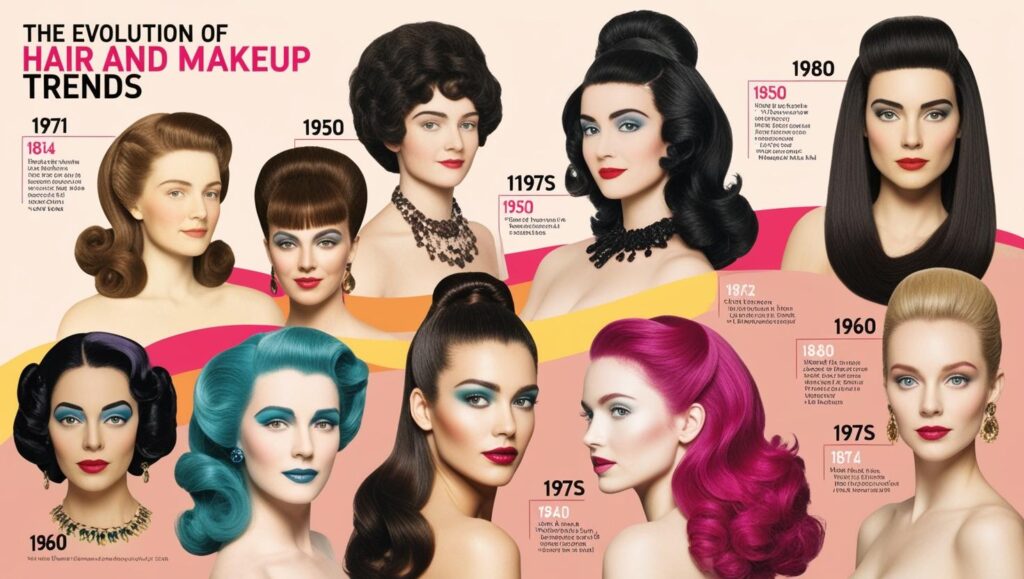
Past Beauty Trends That Once Ruled the World
Past Beauty Trends That Once Ruled the World – Beauty trends are constantly evolving, but some looks leave such a strong mark that they define an entire era. Long before Instagram filters and viral makeup hacks, people across the world followed beauty standards that today might feel surprising, extreme, or even unbelievable. From powdered faces to dramatic eye styles, these past beauty trends once ruled the world and shaped how people expressed identity, status, and culture.
Looking back at these trends isn’t just about nostalgia. It helps us understand how beauty ideals change over time and why certain styles always seem to make a comeback in modern form.
Beauty Trends as a Reflection of Their Time
Every beauty trend is born from its environment. Social class, technology, media, and cultural values all play a role in shaping what is considered beautiful at a given moment. In the past, beauty was often linked to wealth and leisure, not convenience or self-expression like it is today.
When Beauty Meant Status
In many historical periods, beauty trends were designed to show that someone did not need to work outdoors. Pale skin, delicate features, and carefully styled hair became symbols of privilege. This idea influenced beauty routines for centuries and laid the foundation for many trends that followed.
Pale Skin Obsession Across Centuries
One of the most dominant beauty trends in history was the obsession with pale skin. From ancient Asia to Renaissance Europe, fair skin was seen as a sign of elegance and high social standing.
In Europe, especially during the 16th and 17th centuries, women used white powders made from chalk or even lead to lighten their complexion. While dangerous, these products were incredibly popular and widely used among the upper class. Pale skin meant you belonged to a refined world far removed from manual labor.
In East Asia, porcelain-like skin also became a long-lasting ideal. Natural ingredients were used to maintain brightness and smoothness, a tradition that still influences modern skincare routines today.
Dramatic Eyebrows and Eyes Through the Ages
Eye-focused beauty trends are not new. In fact, dramatic eye makeup has been around for thousands of years.
Ancient Eye Definition
In ancient Egypt, both men and women lined their eyes with kohl. This wasn’t just for beauty, but also for protection against the sun and infections. The bold, elongated eye shape became iconic and remains influential in modern eyeliner styles.
Thin Brows Era
Fast forward to the 1920s, and eyebrows took a completely different direction. Ultra-thin, heavily plucked brows became fashionable, inspired by silent film stars. Expressive eyes were essential in movies without sound, and exaggerated brows helped convey emotion on screen.
Although this trend faded, it set the stage for future eyebrow experiments, from pencil-thin arches to the bold, natural brows popular today.
Hair Trends That Defined Generations
Hair has always been a powerful form of self-expression, and past beauty trends show just how creative people have been.
Elaborate Hairstyles of the 18th Century
In the 1700s, hairstyles reached literal new heights. Women wore towering wigs decorated with feathers, ships, flowers, and even miniature scenes. These hairstyles were time-consuming and expensive, making them a clear display of wealth and social influence.
While modern hairstyles are far more practical, the idea of hair as a statement piece still exists, especially in fashion and celebrity culture.
The Rise of Short Hair for Women
The early 20th century marked a major shift when women began cutting their hair short. The bob haircut became a symbol of independence, freedom, and rebellion against traditional norms. It wasn’t just a beauty trend; it was a social statement.
Today, short hair continues to represent confidence and individuality, proving that some beauty trends never truly disappear.
Beauty Trends Influenced by Hollywood
As cinema and television gained popularity, beauty trends started spreading faster and wider than ever before. Hollywood became a global beauty reference point.
The Golden Age Glamour
In the 1940s and 1950s, glamorous waves, red lipstick, and flawless skin dominated beauty standards. Stars like Marilyn Monroe and Audrey Hepburn set trends that women around the world tried to recreate.
This era emphasized femininity, elegance, and polished looks, many of which still influence modern makeup styles for formal events.
Extreme Beauty Practices That Shock Modern Audiences
Some past beauty trends may feel uncomfortable or shocking today, but they were once completely normalized.
Foot binding in ancient China, skin-tight corsets in Victorian Europe, and teeth blackening in certain cultures all highlight how beauty ideals can push people to extremes. These practices remind us that beauty standards are not fixed and often come at a high personal cost.
Understanding these trends helps put modern beauty debates into perspective and encourages a healthier approach to self-image.
Why Past Beauty Trends Still Matter Today
Many current beauty trends are reinterpretations of old ideas. Winged eyeliner, bold red lips, and even skincare rituals all have historical roots. By studying past beauty trends, brands, influencers, and creators can build deeper narratives that resonate with audiences.
For content creators and PBN-focused sites, historical beauty topics offer evergreen value. They attract readers interested in culture, fashion, and lifestyle while allowing for natural keyword integration and long-term relevance.
The Cyclical Nature of Beauty
Beauty trends rarely disappear forever. They evolve, adapt, and return in new forms. What was once considered outdated can suddenly become fashionable again with a modern twist.
This cycle proves that beauty is less about following rules and more about storytelling. Each era leaves behind inspiration that continues to shape how people define and express beauty today.
Final Thoughts on Timeless Beauty Inspiration
Past beauty trends that once ruled the world may seem strange, elegant, or even extreme, but they all share one thing in common. They reflect human creativity and the desire to belong, stand out, or express identity.
By looking back, we gain a better understanding of the present and a clearer vision of where beauty trends might go next. In a world that constantly changes, history reminds us that beauty has always been about more than appearances.