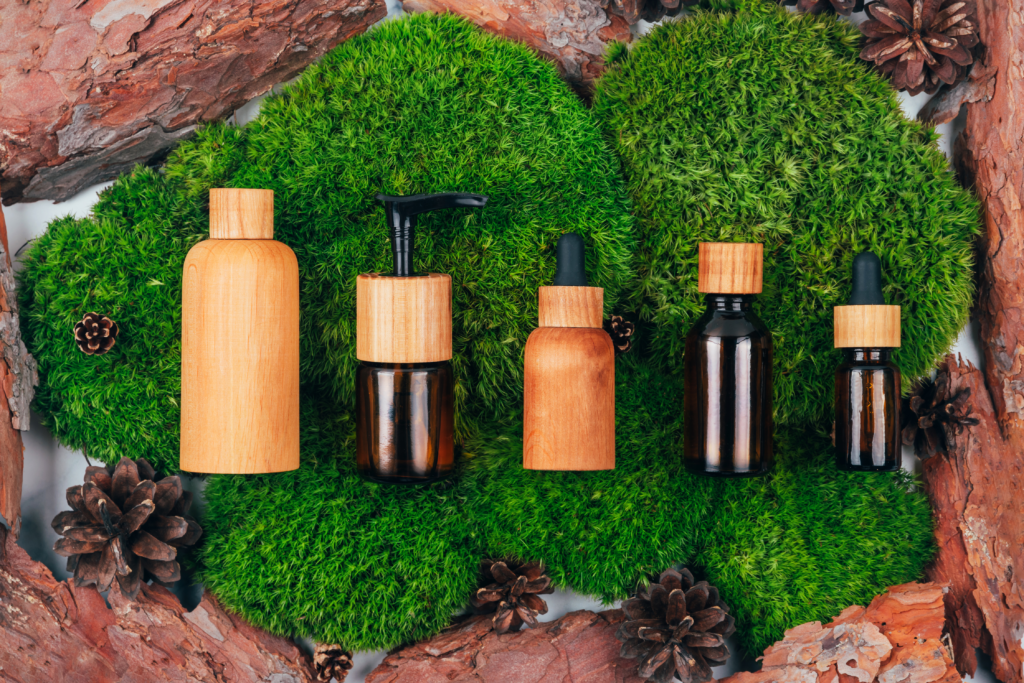
Global Beauty and Cosmetic Industry Overview
Global Beauty and Cosmetic Industry Overview – The global beauty and cosmetic industry has evolved into one of the most dynamic and resilient sectors in the world economy. From skincare and makeup to fragrance and personal care, beauty is no longer just about appearance. It has become a lifestyle, a form of self-expression, and for many consumers, a daily ritual tied closely to identity and well-being.
Over the past decade, the industry has shown consistent growth, even during periods of economic uncertainty. This resilience is driven by changing consumer behavior, rapid innovation, and the global expansion of beauty brands across both developed and emerging markets. Today, beauty is truly global, shaped by diverse cultures, digital influence, and evolving standards of self-care.
The Size and Growth of the Global Beauty Market
The global beauty and cosmetics market is valued in the hundreds of billions of dollars and continues to expand year after year. Major markets such as the United States, Europe, China, Japan, and South Korea play a critical role in driving revenue, while emerging regions in Southeast Asia, the Middle East, and Latin America are experiencing accelerated growth.
One of the key factors behind this expansion is the rising middle class in developing countries. As disposable income increases, consumers are more willing to spend on premium beauty products, skincare routines, and personal grooming. At the same time, urbanization and digital access expose new audiences to global beauty trends faster than ever before.
Another important driver is the shift from basic cosmetic use to comprehensive beauty routines. Consumers are investing more in skincare, haircare, and wellness-focused products rather than relying solely on decorative cosmetics.
Key Segments Within the Beauty and Cosmetic Industry
Skincare as the Industry’s Powerhouse
Skincare has become the dominant segment within the global beauty industry. Products such as cleansers, moisturizers, serums, sunscreens, and anti-aging treatments account for a significant share of total market revenue. This growth is fueled by increased awareness of skin health, preventive care, and long-term benefits rather than quick cosmetic fixes.
Consumers today are more educated. They read ingredient labels, follow dermatologists online, and understand the importance of routines. This has pushed brands to focus on transparency, formulation quality, and scientifically backed claims.
Makeup and Color Cosmetics in a Digital Era
While skincare leads in growth, makeup remains a cultural and creative cornerstone of the industry. Foundations, lip products, eye makeup, and face palettes continue to evolve with fashion trends and social media influence.
Digital platforms have transformed how makeup trends spread. A single viral video can influence global demand overnight. As a result, cosmetic brands are shortening product development cycles and releasing limited collections to stay relevant and competitive.
Fragrance and Personal Care
Fragrance maintains a strong emotional connection with consumers, often associated with identity, memory, and lifestyle. Meanwhile, personal care products such as body wash, deodorants, and oral care are increasingly positioned as part of a holistic beauty experience rather than basic necessities.
Premiumization is a notable trend here, with consumers willing to pay more for unique scents, sustainable packaging, and high-quality formulations.
The Role of Technology and Innovation
Technology plays a central role in shaping the modern beauty industry. Research and development have led to advanced formulations, biotech ingredients, and personalized beauty solutions. From AI-powered skin analysis tools to virtual try-on features, brands are integrating digital innovation to enhance customer experience.
E-commerce has also transformed how beauty products are marketed and sold. Online beauty stores, brand websites, and social commerce platforms allow companies to reach global audiences without relying solely on physical retail locations. This shift has lowered entry barriers for indie brands and intensified competition across the market.
Clean Beauty, Sustainability, and Ethical Trends
The Rise of Clean and Natural Beauty
Clean beauty is no longer a niche trend. Consumers increasingly prefer products free from harsh chemicals, artificial fragrances, and controversial ingredients. Natural, organic, and plant-based formulations are now mainstream, especially among younger demographics.
This shift has forced both established brands and new entrants to reformulate products and communicate ingredient safety more clearly.
Sustainability and Environmental Responsibility
Sustainability has become a critical issue in the global beauty and cosmetic industry. Packaging waste, carbon footprints, and ethical sourcing are under constant scrutiny. Brands are responding by using recyclable materials, refillable containers, and cruelty-free testing methods.
Consumers are not only buying products but also buying values. Companies that align with environmental responsibility and social ethics tend to build stronger brand loyalty over time.
Regional Influences and Global Trends
Beauty trends often originate in specific regions before spreading worldwide. South Korea has popularized multi-step skincare routines and innovative textures, while Western markets focus heavily on inclusivity and diversity. Japan emphasizes minimalist beauty and long-term skin health, whereas Middle Eastern markets show strong demand for fragrance and luxury cosmetics.
Globalization allows brands to blend these influences, creating products that appeal to multiple cultures while maintaining local relevance.
Challenges Facing the Global Beauty Industry
Despite its growth, the beauty and cosmetic industry faces several challenges. Market saturation makes differentiation difficult, especially in mature markets. Regulatory compliance across different countries can be complex and costly. Additionally, consumers are becoming more skeptical of exaggerated marketing claims, demanding authenticity and real results.
Supply chain disruptions, rising production costs, and fast-changing trends also require brands to stay agile and adaptive.
The Future Outlook of the Beauty and Cosmetic Industry
Looking ahead, the global beauty and cosmetic industry is expected to continue its upward trajectory. Personalization, wellness integration, and technology-driven solutions will shape the next phase of growth. Consumers will seek products that align with their individual needs, lifestyles, and values.
Brands that prioritize transparency, innovation, and customer connection will remain competitive in this evolving landscape. As beauty continues to intersect with health, culture, and technology, the industry’s influence will extend far beyond cosmetics alone.
In conclusion, the global beauty and cosmetic industry is more than a commercial sector. It reflects social change, personal identity, and the way people care for themselves in a modern world. Its ability to adapt and reinvent itself ensures that beauty will remain a powerful and profitable industry for years to come.
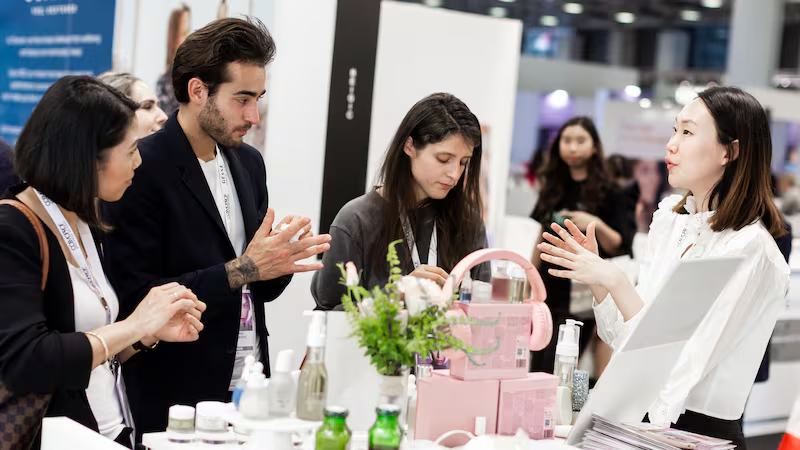
Inside the Worldwide Beauty Market and Style Movement
Inside the Worldwide Beauty Market and Style Movement – The worldwide beauty market is no longer just about makeup, skincare, or fashion trends. It has evolved into a massive global movement that reflects lifestyle choices, cultural identity, technology, and personal expression. From luxury beauty brands in Paris to indie skincare startups in Seoul, the beauty and style industry continues to shape how people see themselves and the world around them.
Today, beauty is not defined by a single standard. It is fluid, inclusive, and constantly changing. Understanding how this global beauty market works gives us a clearer picture of where style, culture, and consumer behavior are heading.
The Global Beauty Market at a Glance
The worldwide beauty market is one of the fastest-growing industries globally. It includes skincare, cosmetics, haircare, fragrance, personal care, and fashion-related lifestyle products. What makes this market unique is its ability to adapt quickly to social changes and consumer expectations.
In recent years, consumers have become more educated. They read ingredient labels, follow beauty influencers, and demand transparency from brands. This shift has pushed companies to innovate not only in product formulation but also in branding, marketing, and sustainability.
Emerging markets in Asia, the Middle East, and Latin America now play a major role in shaping global beauty trends. These regions are no longer just consumers but trendsetters influencing global style movements.
How Style Movements Shape Beauty Trends
Beauty and style have always been connected, but today the relationship is stronger than ever. Style movements influence makeup looks, skincare routines, and even fragrance preferences.
Minimalist fashion trends have fueled the rise of clean beauty and simple skincare routines. On the other hand, bold streetwear culture has inspired expressive makeup styles, vibrant colors, and experimental looks.
Cultural Influence on Beauty Standards
Cultural diversity is one of the biggest drivers in the worldwide beauty market. Each region brings its own definition of beauty, shaped by tradition, climate, and social values.
For example, Asian beauty trends often focus on skin health, hydration, and prevention. Western markets tend to emphasize individuality, self-expression, and bold aesthetics. African and Middle Eastern beauty traditions highlight natural ingredients, oils, and rich textures.
Instead of competing, these cultures now influence each other. The result is a global beauty movement that blends ideas, rituals, and styles into something entirely new.
The Rise of Conscious and Clean Beauty
One of the most important shifts in the worldwide beauty market is the rise of conscious beauty. Consumers are no longer buying products just because they look good. They want to know how products are made, where ingredients come from, and whether brands align with their values.
Clean beauty, cruelty-free products, vegan formulas, and eco-friendly packaging have become mainstream. What started as a niche movement is now a standard expectation for many consumers.
This trend has also changed how brands communicate. Marketing messages are more educational, focusing on benefits, science, and ethics rather than exaggerated claims.
Sustainability as a Style Statement
Sustainability is no longer just a corporate responsibility. It has become a style statement. Consumers proudly support brands that use refillable packaging, recycled materials, and ethical sourcing.
In the fashion and beauty world, sustainable choices often reflect personal identity. Choosing eco-friendly skincare or slow fashion pieces sends a message about values, awareness, and lifestyle.
Digital Influence and Social Media Power
Social media has completely transformed the worldwide beauty market. Platforms like Instagram, TikTok, and YouTube have turned everyday users into trendsetters.
Beauty trends now spread globally within days. A skincare routine shared by a creator in one country can influence purchasing behavior across continents. This digital exposure has also given rise to micro-trends, seasonal aesthetics, and viral beauty hacks.
The Role of Influencers and Communities
Influencers are no longer just promoters. They act as educators, reviewers, and community leaders. Audiences trust real experiences more than traditional advertising.
At the same time, online beauty communities have become powerful spaces for sharing honest opinions. Reviews, before-and-after results, and user-generated content play a key role in brand credibility.
This shift has forced brands to be more authentic and responsive. Transparency is no longer optional in the modern beauty market.
Technology and Innovation in Beauty
Technology continues to reshape how beauty products are developed and consumed. From AI-powered skin analysis to personalized product recommendations, innovation is at the core of the industry.
Brands now use data to create customized skincare solutions based on individual needs. Virtual try-on tools allow consumers to test makeup shades before buying, reducing uncertainty and increasing confidence.
Behind the scenes, advanced research and biotechnology have improved product effectiveness while minimizing environmental impact.
Personalization as the New Luxury
In the past, luxury meant exclusivity and price. Today, luxury means personalization. Consumers want products that feel made just for them.
This demand has pushed brands to offer custom formulations, tailored routines, and flexible product systems. Personalization enhances customer loyalty and creates deeper emotional connections.
The Future of the Worldwide Beauty Market
The future of the worldwide beauty market will be defined by balance. Consumers want innovation, but they also want simplicity. They want global trends, but with local authenticity.
Inclusivity will continue to shape the industry. Beauty brands are expanding shade ranges, embracing diverse models, and celebrating all ages, genders, and backgrounds.
Style movements will remain fluid, influenced by global events, digital culture, and evolving social values. Beauty will not just be about appearance but about confidence, wellness, and self-expression.
Final Thoughts on Beauty and Style Evolution
The worldwide beauty market is more than an industry. It is a reflection of how society sees beauty, identity, and creativity. As style movements evolve, beauty becomes a powerful form of storytelling.
Understanding these changes helps consumers make better choices and allows brands to connect more meaningfully with their audience. One thing is clear: beauty will continue to move forward, shaped by culture, technology, and the desire to express individuality in a global world.