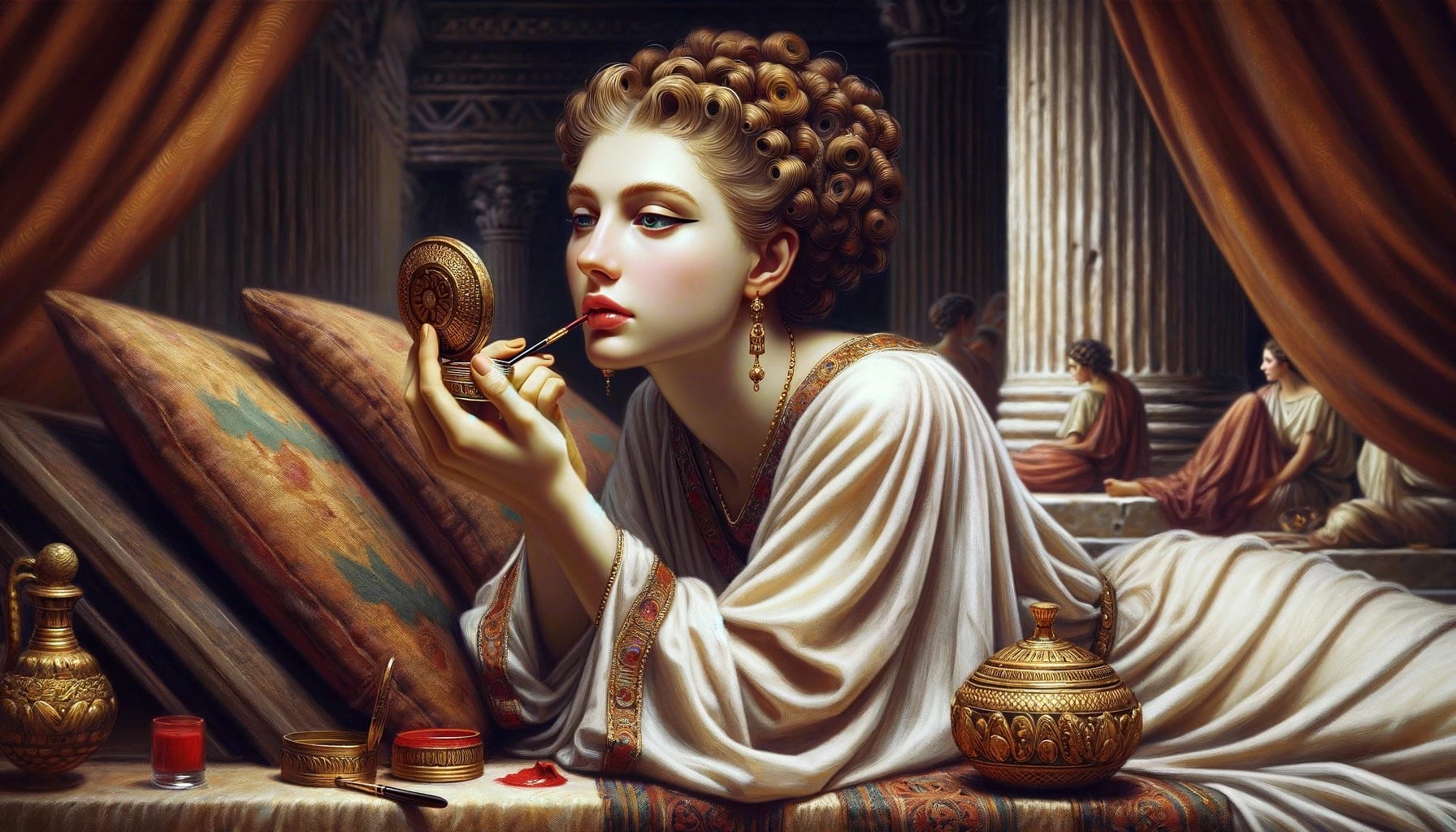
Global Beauty Secrets in the Age of Ancient Rome
Global Beauty Secrets in the Age of Ancient Rome – When people think about beauty trends, they often imagine modern skincare labs, luxury brands, and viral social media routines. But long before today’s global beauty industry existed, women and men in Ancient Rome were already deeply invested in cosmetics, skincare, and personal grooming. The global beauty secrets in the age of Ancient Rome reveal a fascinating mix of ritual, science, social status, and daily discipline.
In Roman society, appearance was more than vanity. It reflected wealth, morality, and even political influence. From carefully prepared face creams to elaborate hairstyles, beauty in Ancient Rome was serious business. These ancient routines continue to inspire modern cosmetic practices, proving that many global beauty trends have roots that go back thousands of years.
The Cultural Importance of Beauty in Ancient Rome
Beauty in Ancient Rome was closely connected to social identity. A well-groomed appearance signaled refinement, discipline, and high status. For Roman women, maintaining smooth skin and styled hair showed that they had the time and resources to care for themselves. For men, cleanliness and grooming reflected dignity and authority.
Pale skin was especially valued. It symbolized wealth because it suggested that a person did not work outdoors under the sun. As a result, many Roman beauty secrets focused on whitening and smoothing the complexion. Skin tone became one of the most important standards in ancient Roman cosmetics.
Roman writers often discussed appearance in their works. Beauty was linked to virtue, and a balanced, clean look was admired more than excessive decoration. This idea of “natural but refined” beauty still shapes global beauty standards today.
Skincare Rituals and Natural Ingredients
Olive Oil as the Foundation of Roman Skincare
Olive oil was one of the most important beauty products in Ancient Rome. It was used to cleanse the skin, moisturize the body, and remove dirt. Instead of soap as we know it today, Romans applied olive oil and then scraped it off with a curved metal tool called a strigil. This method removed sweat, oil, and impurities from the skin.
Olive oil was also mixed with herbs and flowers to create scented skincare treatments. Lavender, rosemary, and rose petals were commonly added to improve fragrance and enhance the skin’s glow. This simple yet effective skincare routine shows that natural beauty solutions were already well understood in Roman times.
Face Masks and Complexion Treatments
Roman women used a variety of face masks to maintain smooth and youthful skin. Ingredients included honey, milk, barley flour, and even crushed beans. Milk baths were especially popular among wealthy women because lactic acid naturally exfoliates the skin. Honey helped moisturize and protect the face from dryness.
Some treatments were less safe. White lead was sometimes used to lighten the complexion, despite its toxic effects. This highlights how the pursuit of beauty in Ancient Rome sometimes came with serious risks. Even so, many natural Roman skincare methods remain relevant and inspire organic beauty products today.
Roman Cosmetics and Makeup Trends
Makeup in Ancient Rome was designed to enhance features while maintaining a refined look. Roman women applied foundation-like powders to achieve an even complexion. Blush was made from red ochre or crushed berries to give the cheeks a healthy appearance.
Eye makeup was also popular. Kohl, made from soot or ash, was used to darken the eyes and create dramatic contrast. This style emphasized large, expressive eyes, a beauty ideal that continues across cultures today.
Lip color came from natural pigments such as red clay or plant extracts. While the cosmetic formulas were simple compared to modern products, the goals were similar: smooth skin, defined eyes, and balanced facial features.
Interestingly, cosmetics were often prepared at home or by specialized attendants. The global beauty market as we know it did not exist, but local artisans and traders supplied ingredients across the Roman Empire. Beauty products traveled along trade routes, connecting regions and spreading trends throughout the empire.
Hairstyles as a Symbol of Power and Fashion
The Rise of Elaborate Roman Hairstyles
Hairstyles in Ancient Rome were incredibly detailed and symbolic. During the Roman Republic, women typically wore simple buns. However, as the empire grew wealthier, hairstyles became more elaborate. Curls, braids, and towering structures appeared, especially among elite women.
Slaves who specialized in hairdressing, known as ornatrices, carefully styled their mistresses’ hair using heated tools and pins. Complex hairstyles often required hours of preparation. These dramatic looks were not just about beauty; they represented status and access to luxury.
Empresses and noblewomen set fashion trends. When a new imperial style emerged, it quickly spread throughout Roman society. In many ways, ancient Rome functioned like an early global fashion influencer network.
Hair Color and Enhancement
Blonde hair was admired in Ancient Rome, partly influenced by contact with northern European tribes. Roman women sometimes lightened their hair using herbal mixtures or wore wigs made from imported hair. Red and golden shades were particularly fashionable.
Haircare also included oils and perfumed treatments to keep strands smooth and shiny. Maintaining healthy hair was an essential part of the overall Roman beauty routine.
Perfume and Fragrance in Daily Life
Fragrance played a major role in Roman beauty culture. Perfumes were imported from regions like Egypt and Arabia, making them valuable luxury items. Scents were made from myrrh, frankincense, rose, and cinnamon.
Perfume was applied to the skin, hair, and clothing. It was also used in bathhouses, where social interactions and grooming rituals took place. Public baths were central to Roman life, offering a place to relax, cleanse, and socialize.
The Roman approach to fragrance reflects the global beauty influence of trade. As the empire expanded, new ingredients entered the market, creating a diverse and evolving cosmetic culture.
Men’s Grooming in Ancient Rome
Beauty was not limited to women. Roman men paid close attention to their appearance as well. Regular shaving became fashionable, especially among elites. A clean-shaven face symbolized sophistication and modernity.
Men used oils to soften their skin and perfumes to enhance their presence. Beards and hairstyles changed according to political trends and cultural influences. Grooming was considered part of being a respectable citizen.
This focus on male grooming shows that the global beauty conversation in Ancient Rome included both genders, much like today’s expanding men’s skincare and cosmetic market.
The Global Influence of Roman Beauty Traditions
The Roman Empire connected Europe, North Africa, and parts of Asia. As goods moved across trade routes, so did beauty secrets. Ingredients, tools, and techniques were shared and adapted by different cultures.
Many modern beauty practices, such as exfoliation, moisturizing with natural oils, and using plant-based cosmetics, echo ancient Roman methods. The desire for clear skin, healthy hair, and pleasant fragrance remains universal.
The global beauty secrets in the age of Ancient Rome remind us that skincare and cosmetics are not modern inventions. They are part of a long human tradition rooted in culture, identity, and creativity.
Ancient Romans may not have had modern laboratories or global beauty brands, but they understood the importance of routine, natural ingredients, and presentation. Their beauty rituals laid the groundwork for many practices still popular today.