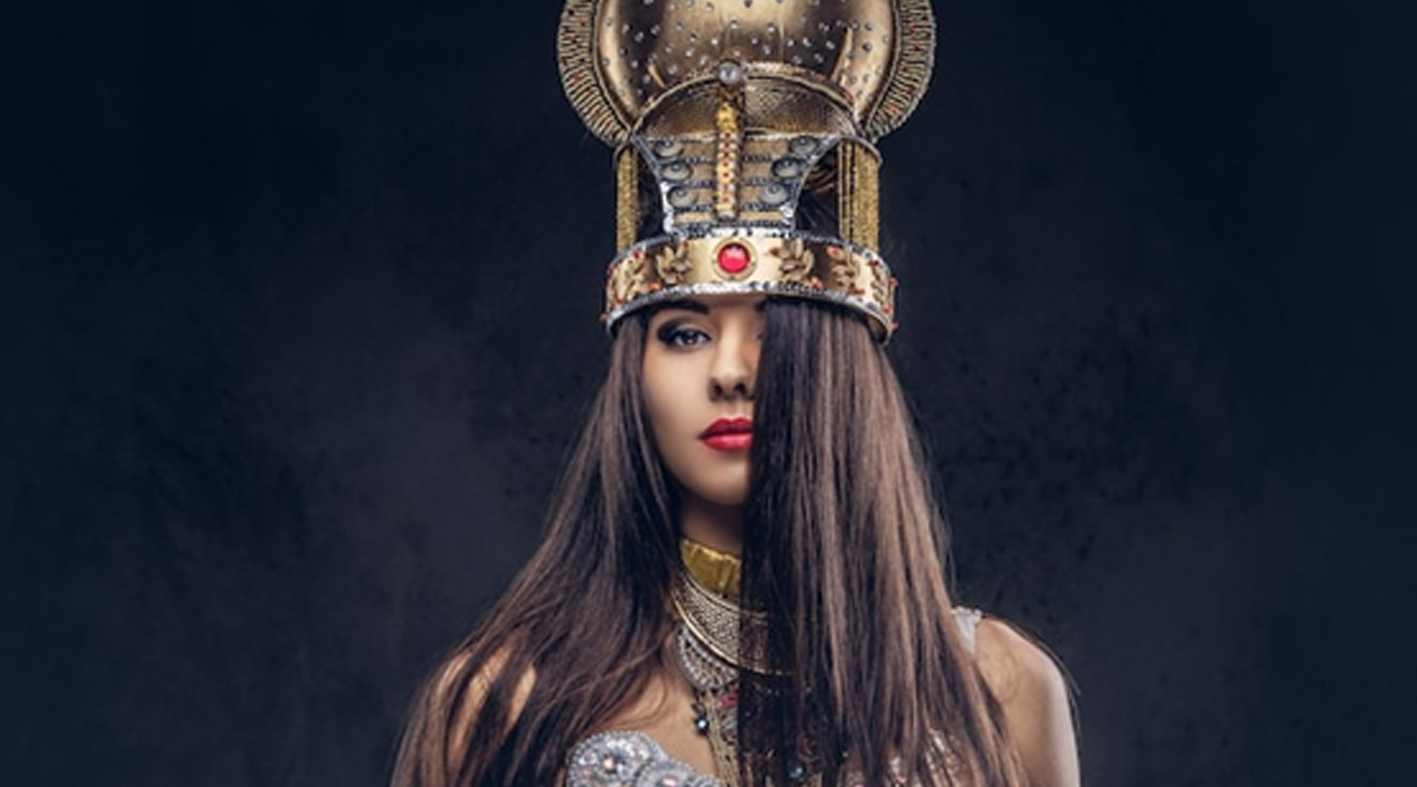
Beauty Secrets of Ancient Kingdoms Royal Styles and Fashion
Beauty Secrets of Ancient Kingdoms Royal Styles and Fashion – Throughout history, the allure of ancient kingdoms has fascinated people for centuries. From the opulent courts of Egypt to the refined palaces of Europe and the grandeur of Asian dynasties, beauty and fashion were never just about appearance—they were a statement of power, status, and identity. Royalty in ancient times carefully curated their looks, hairstyles, clothing, and even personal rituals to reflect their prestige and influence. Exploring these beauty secrets offers a window into how aesthetics shaped societies and how these traditions continue to inspire modern fashion.
The Power of Appearance in Royal Courts
In ancient kingdoms, appearance was more than vanity—it was a reflection of authority. Kings, queens, and nobles used beauty and fashion to project power and command respect. Elaborate clothing, intricate hairstyles, and distinctive jewelry were all markers of status, signaling wealth and influence to both allies and rivals.
For example, in ancient Egypt, beauty was deeply intertwined with spirituality and social hierarchy. Both men and women of the royal court invested in elaborate skincare routines, using natural ingredients like oils, honey, and crushed minerals. Eye makeup was not only aesthetic but also believed to provide protection from evil forces. These rituals highlighted how beauty practices served practical, symbolic, and social purposes simultaneously.
Similarly, in European kingdoms, from the Renaissance to the Baroque period, aristocrats used fashion as a tool of influence. Expensive fabrics like silk, velvet, and brocade were reserved for the upper echelons, while elaborate hairstyles and powdered faces became symbols of refinement and sophistication. In these courts, the way one presented oneself could make or break alliances, marriages, and social standing.
Royal Skincare and Hair Secrets
Skincare and hair care were at the heart of ancient beauty routines. Across civilizations, royalty developed innovative methods to maintain a youthful and flawless appearance. Cleopatra of Egypt, for instance, famously used milk baths to soften her skin, while Roman noblewomen relied on olive oil, herbs, and mineral-rich clay masks to nourish their complexions. These rituals were not only luxurious but also emphasized the importance of self-care in projecting a polished image.
Hair was another essential element of royal beauty. Elaborate braids, curls, and adornments were common across ancient courts. In Japan, geisha-inspired hairstyles influenced the royal elite, while European queens often employed wigs, powders, and intricate styling to create a dramatic presence. These hairstyles were not just fashion statements—they were a language of status, signaling wealth, sophistication, and even political alignment.
Fashion as a Symbol of Power
Clothing in ancient kingdoms went far beyond protection from the elements; it was a visual representation of power and culture. Royals carefully chose garments that reflected their rank, accomplishments, and dynastic pride.
In Asian dynasties, royal robes often incorporated symbolic embroidery, intricate patterns, and vibrant colors to convey authority. Dragons, phoenixes, and lotus flowers weren’t just decorative—they were potent symbols of imperial power, wisdom, and divine favor. In medieval Europe, the use of rare fabrics and luxurious dyes made garments both visually stunning and socially exclusive, reinforcing hierarchical structures.
Jewelry also played a crucial role. Crowns, necklaces, rings, and bracelets were designed to reflect wealth and convey symbolic meanings. Gemstones were often selected for their rarity and supposed mystical properties, adding a layer of prestige and superstition to royal beauty practices. Wearing these items was not just adornment; it was a declaration of status and influence.
Beauty Rituals and Cultural Significance
Many ancient beauty practices were deeply tied to cultural beliefs and spiritual traditions. Bathing, perfumes, and cosmetics were often seen as a way to align oneself with divine ideals of beauty. In India, for instance, royalty used fragrant oils and intricate henna designs, combining aesthetics with ritualistic significance. These practices elevated daily grooming into a ceremonial act, intertwining beauty with identity and tradition.
Perfumes and scents were especially important in many courts. Fragrance was not just for allure but also for health and spiritual protection. In Egypt, rosewater, myrrh, and sandalwood were used to cleanse and sanctify the body, while in European courts, scented powders masked odors and demonstrated refinement. Royal beauty was, therefore, as much about presentation as it was about sensory impact.
Hairstyles That Defined an Era
Hairstyles were perhaps the most visible indicators of status and elegance. In ancient civilizations, elaborate hair arrangements were a mark of nobility. Egyptian queens wore wigs and braids adorned with gold and precious stones, while Chinese empresses favored ornate hairpins and combs to achieve towering styles that symbolized grace and authority.
In Europe, especially during the Renaissance and Baroque periods, high, powdered hairstyles became a fashion phenomenon. These hairstyles required dedicated attendants and hours of preparation, signifying both wealth and dedication to courtly ideals. Through their hair, royals communicated their rank, taste, and cultural alignment, creating a visual hierarchy understood by all.
Modern Influence of Ancient Royal Styles
Many of the beauty secrets and fashion practices of ancient kingdoms continue to influence contemporary style. Modern skincare routines often borrow from ancient techniques, like using natural oils, herbal remedies, and mineral masks. Similarly, the symbolic use of colors, patterns, and accessories in fashion often draws inspiration from royal aesthetics, merging historical elegance with contemporary trends.
Hairstyles inspired by historical courts appear on runways and red carpets, blending traditional techniques with modern sensibilities. Even jewelry design frequently reflects the grandeur of ancient royalty, using motifs and precious materials reminiscent of bygone dynasties. These influences highlight the enduring legacy of royal beauty and fashion, showing that elegance and sophistication are timeless ideals.
Conclusion
The beauty secrets of ancient kingdoms reveal a world where aesthetics, culture, and power were deeply intertwined. Royalty meticulously curated their appearance through skincare, haircare, clothing, and accessories, creating a visual language of status, authority, and refinement. These practices were not merely superficial—they reflected social hierarchies, spiritual beliefs, and cultural values that defined entire civilizations. Today, the influence of these ancient beauty standards can still be seen in modern fashion, skincare, and style, reminding us that the allure of royal elegance transcends time.
Ancient kingdoms teach us that beauty was never just about looking good—it was about embodying power, identity, and sophistication. Their secrets, from luxurious fabrics to intricate hairstyles, continue to inspire and shape the way we perceive elegance, proving that true style is timeless.