Februari 16, 2026

Global Beauty and Cosmetic News Updates

Your source for global beauty and cosmetic news updates, featuring trends, launches, and industry stories.

Global Beauty Secrets in the Age of Ancient Rome
Februari 13, 2026 | gselana

Global Beauty Secrets in the Age of Ancient Rome

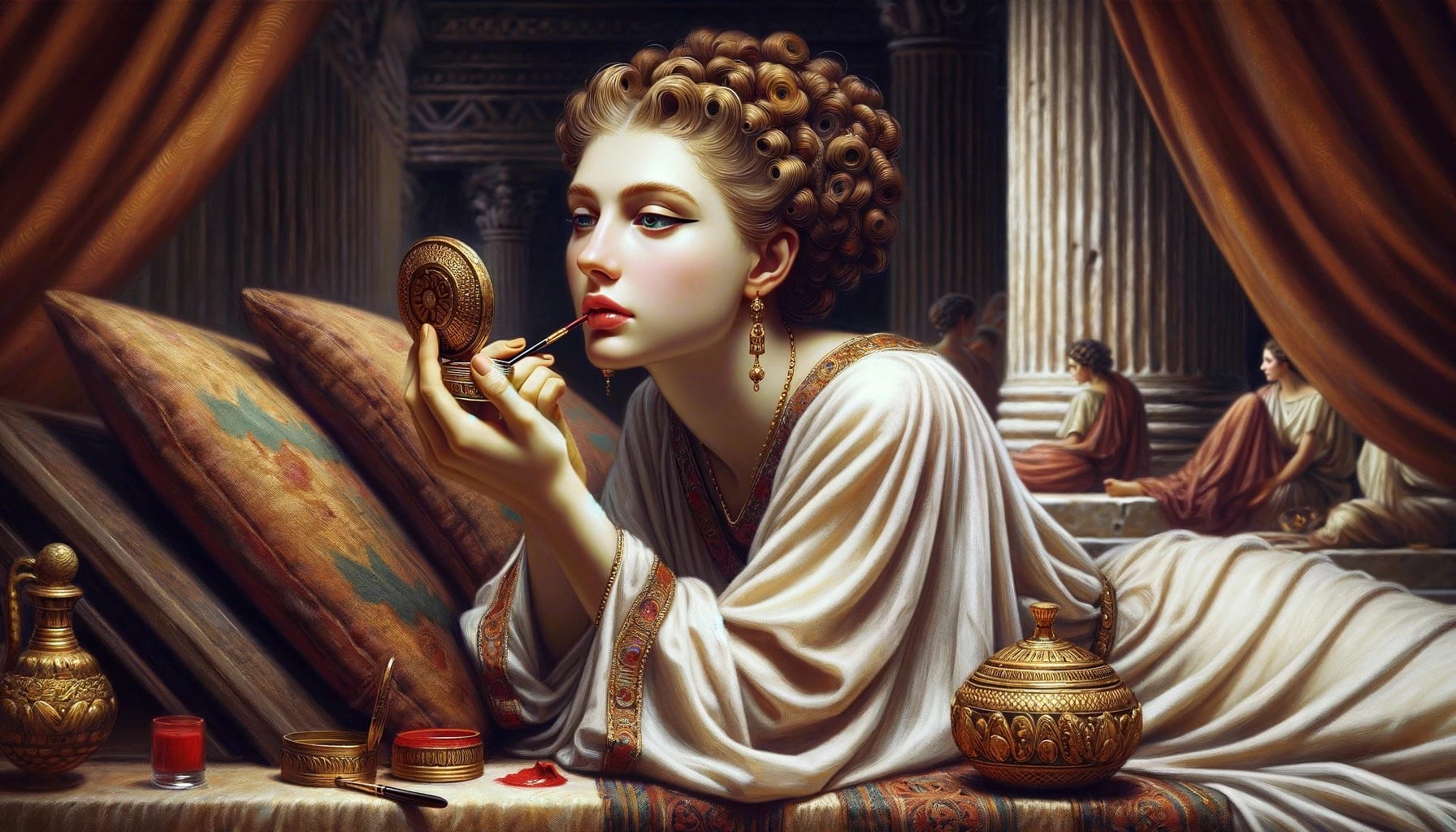
Global Beauty Secrets in the Age of Ancient Rome – When people think about beauty trends, they often imagine modern skincare labs, luxury brands, and viral social media routines. But long before today’s global beauty industry existed, women and men in Ancient Rome were already deeply invested in cosmetics, skincare, and personal grooming. The global beauty secrets in the age of Ancient Rome reveal a fascinating mix of ritual, science, social status, and daily discipline.

In Roman society, appearance was more than vanity. It reflected wealth, morality, and even political influence. From carefully prepared face creams to elaborate hairstyles, beauty in Ancient Rome was serious business. These ancient routines continue to inspire modern cosmetic practices, proving that many global beauty trends have roots that go back thousands of years.

The Cultural Importance of Beauty in Ancient Rome

Beauty in Ancient Rome was closely connected to social identity. A well-groomed appearance signaled refinement, discipline, and high status. For Roman women, maintaining smooth skin and styled hair showed that they had the time and resources to care for themselves. For men, cleanliness and grooming reflected dignity and authority.

Pale skin was especially valued. It symbolized wealth because it suggested that a person did not work outdoors under the sun. As a result, many Roman beauty secrets focused on whitening and smoothing the complexion. Skin tone became one of the most important standards in ancient Roman cosmetics.

Roman writers often discussed appearance in their works. Beauty was linked to virtue, and a balanced, clean look was admired more than excessive decoration. This idea of “natural but refined” beauty still shapes global beauty standards today.

Skincare Rituals and Natural Ingredients

Olive Oil as the Foundation of Roman Skincare

Olive oil was one of the most important beauty products in Ancient Rome. It was used to cleanse the skin, moisturize the body, and remove dirt. Instead of soap as we know it today, Romans applied olive oil and then scraped it off with a curved metal tool called a strigil. This method removed sweat, oil, and impurities from the skin.

Olive oil was also mixed with herbs and flowers to create scented skincare treatments. Lavender, rosemary, and rose petals were commonly added to improve fragrance and enhance the skin’s glow. This simple yet effective skincare routine shows that natural beauty solutions were already well understood in Roman times.

Face Masks and Complexion Treatments

Roman women used a variety of face masks to maintain smooth and youthful skin. Ingredients included honey, milk, barley flour, and even crushed beans. Milk baths were especially popular among wealthy women because lactic acid naturally exfoliates the skin. Honey helped moisturize and protect the face from dryness.

Some treatments were less safe. White lead was sometimes used to lighten the complexion, despite its toxic effects. This highlights how the pursuit of beauty in Ancient Rome sometimes came with serious risks. Even so, many natural Roman skincare methods remain relevant and inspire organic beauty products today.

Roman Cosmetics and Makeup Trends

Makeup in Ancient Rome was designed to enhance features while maintaining a refined look. Roman women applied foundation-like powders to achieve an even complexion. Blush was made from red ochre or crushed berries to give the cheeks a healthy appearance.

Eye makeup was also popular. Kohl, made from soot or ash, was used to darken the eyes and create dramatic contrast. This style emphasized large, expressive eyes, a beauty ideal that continues across cultures today.

Lip color came from natural pigments such as red clay or plant extracts. While the cosmetic formulas were simple compared to modern products, the goals were similar: smooth skin, defined eyes, and balanced facial features.

Interestingly, cosmetics were often prepared at home or by specialized attendants. The global beauty market as we know it did not exist, but local artisans and traders supplied ingredients across the Roman Empire. Beauty products traveled along trade routes, connecting regions and spreading trends throughout the empire.

Hairstyles as a Symbol of Power and Fashion

The Rise of Elaborate Roman Hairstyles

Hairstyles in Ancient Rome were incredibly detailed and symbolic. During the Roman Republic, women typically wore simple buns. However, as the empire grew wealthier, hairstyles became more elaborate. Curls, braids, and towering structures appeared, especially among elite women.

Slaves who specialized in hairdressing, known as ornatrices, carefully styled their mistresses’ hair using heated tools and pins. Complex hairstyles often required hours of preparation. These dramatic looks were not just about beauty; they represented status and access to luxury.

Empresses and noblewomen set fashion trends. When a new imperial style emerged, it quickly spread throughout Roman society. In many ways, ancient Rome functioned like an early global fashion influencer network.

Hair Color and Enhancement

Blonde hair was admired in Ancient Rome, partly influenced by contact with northern European tribes. Roman women sometimes lightened their hair using herbal mixtures or wore wigs made from imported hair. Red and golden shades were particularly fashionable.

Haircare also included oils and perfumed treatments to keep strands smooth and shiny. Maintaining healthy hair was an essential part of the overall Roman beauty routine.

Perfume and Fragrance in Daily Life

Fragrance played a major role in Roman beauty culture. Perfumes were imported from regions like Egypt and Arabia, making them valuable luxury items. Scents were made from myrrh, frankincense, rose, and cinnamon.

Perfume was applied to the skin, hair, and clothing. It was also used in bathhouses, where social interactions and grooming rituals took place. Public baths were central to Roman life, offering a place to relax, cleanse, and socialize.

The Roman approach to fragrance reflects the global beauty influence of trade. As the empire expanded, new ingredients entered the market, creating a diverse and evolving cosmetic culture.

Men’s Grooming in Ancient Rome

Beauty was not limited to women. Roman men paid close attention to their appearance as well. Regular shaving became fashionable, especially among elites. A clean-shaven face symbolized sophistication and modernity.

Men used oils to soften their skin and perfumes to enhance their presence. Beards and hairstyles changed according to political trends and cultural influences. Grooming was considered part of being a respectable citizen.

This focus on male grooming shows that the global beauty conversation in Ancient Rome included both genders, much like today’s expanding men’s skincare and cosmetic market.

The Global Influence of Roman Beauty Traditions

The Roman Empire connected Europe, North Africa, and parts of Asia. As goods moved across trade routes, so did beauty secrets. Ingredients, tools, and techniques were shared and adapted by different cultures.

Many modern beauty practices, such as exfoliation, moisturizing with natural oils, and using plant-based cosmetics, echo ancient Roman methods. The desire for clear skin, healthy hair, and pleasant fragrance remains universal.

The global beauty secrets in the age of Ancient Rome remind us that skincare and cosmetics are not modern inventions. They are part of a long human tradition rooted in culture, identity, and creativity.

Ancient Romans may not have had modern laboratories or global beauty brands, but they understood the importance of routine, natural ingredients, and presentation. Their beauty rituals laid the groundwork for many practices still popular today.
Share: Facebook Twitter Linkedin
Beauty Secrets of Ancient Kingdoms Royal Styles and Fashion
Februari 10, 2026 | gselana

Beauty Secrets of Ancient Kingdoms Royal Styles and Fashion

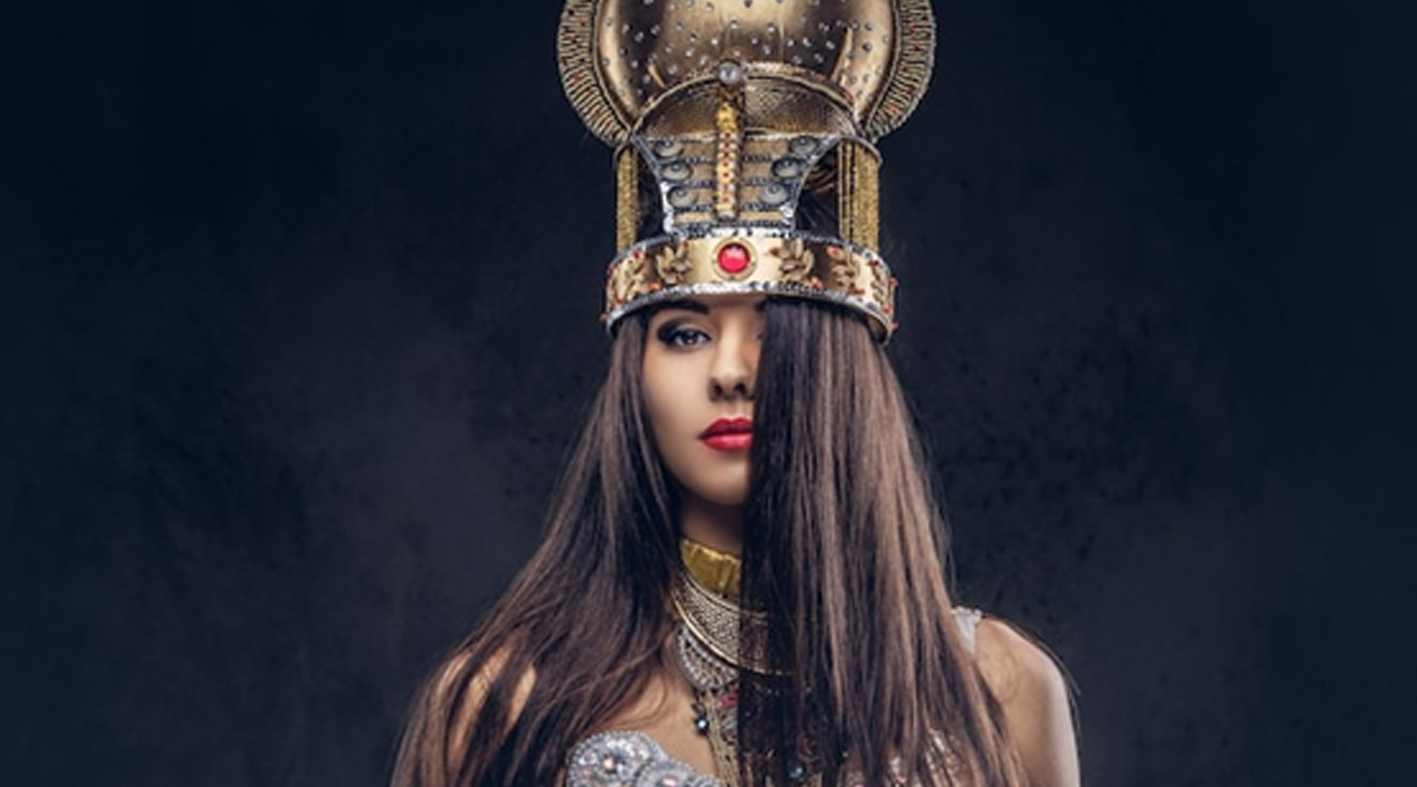
Beauty Secrets of Ancient Kingdoms Royal Styles and Fashion – Throughout history, the allure of ancient kingdoms has fascinated people for centuries. From the opulent courts of Egypt to the refined palaces of Europe and the grandeur of Asian dynasties, beauty and fashion were never just about appearance—they were a statement of power, status, and identity. Royalty in ancient times carefully curated their looks, hairstyles, clothing, and even personal rituals to reflect their prestige and influence. Exploring these beauty secrets offers a window into how aesthetics shaped societies and how these traditions continue to inspire modern fashion.

The Power of Appearance in Royal Courts

In ancient kingdoms, appearance was more than vanity—it was a reflection of authority. Kings, queens, and nobles used beauty and fashion to project power and command respect. Elaborate clothing, intricate hairstyles, and distinctive jewelry were all markers of status, signaling wealth and influence to both allies and rivals.

For example, in ancient Egypt, beauty was deeply intertwined with spirituality and social hierarchy. Both men and women of the royal court invested in elaborate skincare routines, using natural ingredients like oils, honey, and crushed minerals. Eye makeup was not only aesthetic but also believed to provide protection from evil forces. These rituals highlighted how beauty practices served practical, symbolic, and social purposes simultaneously.

Similarly, in European kingdoms, from the Renaissance to the Baroque period, aristocrats used fashion as a tool of influence. Expensive fabrics like silk, velvet, and brocade were reserved for the upper echelons, while elaborate hairstyles and powdered faces became symbols of refinement and sophistication. In these courts, the way one presented oneself could make or break alliances, marriages, and social standing.

Royal Skincare and Hair Secrets

Skincare and hair care were at the heart of ancient beauty routines. Across civilizations, royalty developed innovative methods to maintain a youthful and flawless appearance. Cleopatra of Egypt, for instance, famously used milk baths to soften her skin, while Roman noblewomen relied on olive oil, herbs, and mineral-rich clay masks to nourish their complexions. These rituals were not only luxurious but also emphasized the importance of self-care in projecting a polished image.

Hair was another essential element of royal beauty. Elaborate braids, curls, and adornments were common across ancient courts. In Japan, geisha-inspired hairstyles influenced the royal elite, while European queens often employed wigs, powders, and intricate styling to create a dramatic presence. These hairstyles were not just fashion statements—they were a language of status, signaling wealth, sophistication, and even political alignment.

Fashion as a Symbol of Power

Clothing in ancient kingdoms went far beyond protection from the elements; it was a visual representation of power and culture. Royals carefully chose garments that reflected their rank, accomplishments, and dynastic pride.

In Asian dynasties, royal robes often incorporated symbolic embroidery, intricate patterns, and vibrant colors to convey authority. Dragons, phoenixes, and lotus flowers weren’t just decorative—they were potent symbols of imperial power, wisdom, and divine favor. In medieval Europe, the use of rare fabrics and luxurious dyes made garments both visually stunning and socially exclusive, reinforcing hierarchical structures.

Jewelry also played a crucial role. Crowns, necklaces, rings, and bracelets were designed to reflect wealth and convey symbolic meanings. Gemstones were often selected for their rarity and supposed mystical properties, adding a layer of prestige and superstition to royal beauty practices. Wearing these items was not just adornment; it was a declaration of status and influence.

Beauty Rituals and Cultural Significance

Many ancient beauty practices were deeply tied to cultural beliefs and spiritual traditions. Bathing, perfumes, and cosmetics were often seen as a way to align oneself with divine ideals of beauty. In India, for instance, royalty used fragrant oils and intricate henna designs, combining aesthetics with ritualistic significance. These practices elevated daily grooming into a ceremonial act, intertwining beauty with identity and tradition.

Perfumes and scents were especially important in many courts. Fragrance was not just for allure but also for health and spiritual protection. In Egypt, rosewater, myrrh, and sandalwood were used to cleanse and sanctify the body, while in European courts, scented powders masked odors and demonstrated refinement. Royal beauty was, therefore, as much about presentation as it was about sensory impact.

Hairstyles That Defined an Era

Hairstyles were perhaps the most visible indicators of status and elegance. In ancient civilizations, elaborate hair arrangements were a mark of nobility. Egyptian queens wore wigs and braids adorned with gold and precious stones, while Chinese empresses favored ornate hairpins and combs to achieve towering styles that symbolized grace and authority.

In Europe, especially during the Renaissance and Baroque periods, high, powdered hairstyles became a fashion phenomenon. These hairstyles required dedicated attendants and hours of preparation, signifying both wealth and dedication to courtly ideals. Through their hair, royals communicated their rank, taste, and cultural alignment, creating a visual hierarchy understood by all.

Modern Influence of Ancient Royal Styles

Many of the beauty secrets and fashion practices of ancient kingdoms continue to influence contemporary style. Modern skincare routines often borrow from ancient techniques, like using natural oils, herbal remedies, and mineral masks. Similarly, the symbolic use of colors, patterns, and accessories in fashion often draws inspiration from royal aesthetics, merging historical elegance with contemporary trends.

Hairstyles inspired by historical courts appear on runways and red carpets, blending traditional techniques with modern sensibilities. Even jewelry design frequently reflects the grandeur of ancient royalty, using motifs and precious materials reminiscent of bygone dynasties. These influences highlight the enduring legacy of royal beauty and fashion, showing that elegance and sophistication are timeless ideals.

Conclusion

The beauty secrets of ancient kingdoms reveal a world where aesthetics, culture, and power were deeply intertwined. Royalty meticulously curated their appearance through skincare, haircare, clothing, and accessories, creating a visual language of status, authority, and refinement. These practices were not merely superficial—they reflected social hierarchies, spiritual beliefs, and cultural values that defined entire civilizations. Today, the influence of these ancient beauty standards can still be seen in modern fashion, skincare, and style, reminding us that the allure of royal elegance transcends time.

Ancient kingdoms teach us that beauty was never just about looking good—it was about embodying power, identity, and sophistication. Their secrets, from luxurious fabrics to intricate hairstyles, continue to inspire and shape the way we perceive elegance, proving that true style is timeless.

Share: Facebook Twitter Linkedin
Beauty Standards in Isekai Worlds Magic Elves and Style
Februari 10, 2026 | gselana

Beauty Standards in Isekai Worlds Magic Elves and Style

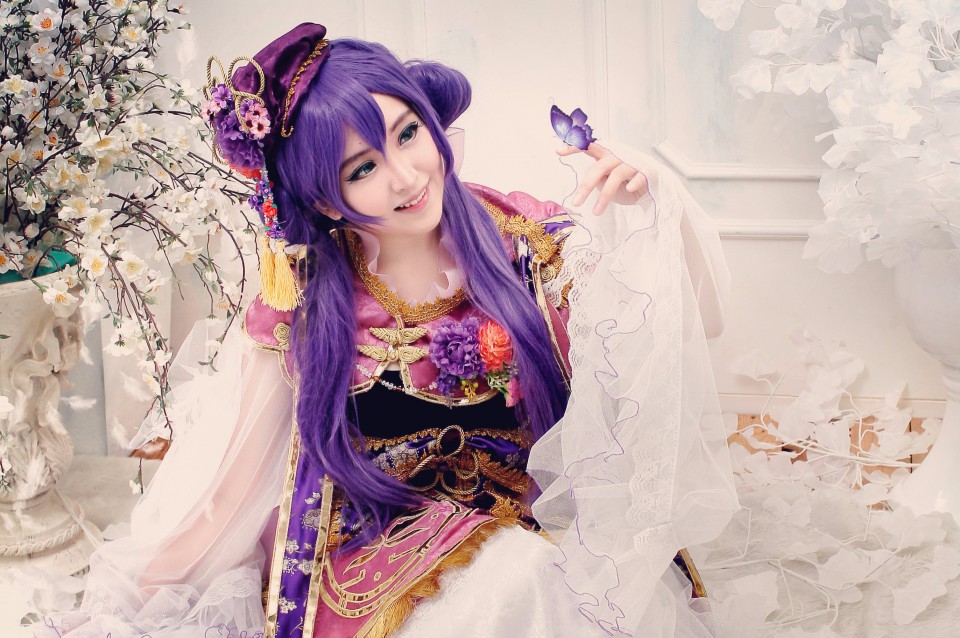
Beauty Standards in Isekai Worlds Magic Elves and Style – In the world of anime, particularly the isekai genre, there’s a fascinating intersection between fantasy, magic, and beauty standards. These standards, often portrayed through various magical worlds, are key to understanding the aesthetic culture of these universes. Magic and mythical creatures, like elves, play a central role in setting and defining what is considered beautiful. The isekai genre, with its distinct blend of fantasy, adventure, and often surreal aesthetics, offers a unique lens for analyzing how beauty standards evolve when shaped by magic, otherworldly powers, and fantastical beings.

The Role of Magic in Shaping Beauty Standards

Magic in isekai worlds isn’t just a tool for combat or survival, it also plays a significant role in how beauty is perceived and expressed. In many isekai settings, magic can alter the very fabric of reality. It allows characters to transform their appearances, shape-shift, or even remain eternally youthful, creating an environment where beauty is not tied to the limitations of the real world.

In some cases, magic enables characters to meet an idealized standard of beauty. For instance, powerful mages can use magic to enhance their physical appearance, making themselves look younger, more radiant, or even perfect in every way. This flexibility in appearance creates a beauty standard that’s not restricted to natural limitations but is instead a fluid, changeable concept.

This approach to beauty also connects to the notion of power. In many isekai worlds, those who wield magic, especially powerful magic, are often seen as more beautiful or attractive. The ability to manipulate elements, control time, or even heal others is associated with a higher status and, consequently, a heightened perception of beauty.

Elves and Their Enduring Beauty

When talking about beauty in isekai worlds, it’s impossible to ignore the elves. These mythical creatures are often depicted as the epitome of beauty, elegance, and grace. Their long lifespans, often extending hundreds or even thousands of years, contribute to their ageless beauty. Elves are typically portrayed as having flawless skin, striking features, and perfect proportions, attributes that reinforce the idea of an unattainable standard of beauty.

Elven beauty is also often linked to their magical heritage. Elves are usually depicted as highly attuned to nature and magic, often having an innate connection to the world around them. This connection is symbolized in their physical appearance, often, their beauty is described as otherworldly, with features that seem to embody the natural beauty of forests, stars, and other magical realms.

In many isekai worlds, elves are not only depicted as physically beautiful but also culturally revered for their wisdom and elegance. They carry themselves with a level of refinement that only enhances their beauty in the eyes of others. In a sense, the elven beauty standard combines not just physical attributes but also a sense of grace and wisdom that makes them appear both ageless and timeless.

The Magic of Fashion: Clothing and Beauty

Fashion plays an important role in defining beauty in many isekai worlds. Since characters often come from different dimensions or have magical abilities, their clothing and style choices can reflect their personalities, statuses, and the magical abilities they wield.

In most isekai series, the fashion is designed to reflect the fantastical nature of the world. Characters often wear clothing that emphasizes their magical powers or cultural heritage. For example, mages may wear robes or cloaks that signify their magical prowess, while warriors may wear armor that not only protects them but also showcases their strength and beauty. The way characters dress adds layers to their persona, making fashion an integral part of how beauty is expressed.

In addition to the practical aspect, many isekai worlds place a heavy emphasis on beauty through extravagant clothing. Elaborate dresses, shimmering fabrics, and intricately designed accessories become symbols of power and status. These garments are often crafted from magical materials, further elevating the wearer’s status and beauty. The influence of magic in these clothing designs allows for bold, otherworldly aesthetics that define the beauty standards of each world.

How Isekai Characters Challenge Traditional Beauty Norms

While many isekai worlds may follow traditional beauty standards, focusing on youthful faces, flawless skin, and graceful figures, there are also stories that push back against these norms. Characters who don’t fit into conventional beauty standards often find themselves questioning or defying the notion of perfection.

Some isekai protagonists are intentionally designed to challenge traditional beauty norms. For example, there are characters who may appear plain or unremarkable at first but undergo significant growth, both internally and externally. Their journey becomes a narrative of self-acceptance, showing that beauty is not just about physical appearance but also inner strength, character, and kindness.

Furthermore, in many isekai worlds, characters with unconventional looks, such as those who are part monster, hybrid creatures, or even those cursed with unusual appearances, are depicted as unique and beautiful in their own right. These characters remind us that beauty is subjective and fluid, shaped by culture, perspective, and personal growth. In this sense, isekai worlds often celebrate diversity in beauty, challenging the restrictive standards that many real-world societies enforce.

The Influence of Beauty Standards on Isekai Worlds

Beauty standards in isekai worlds often reflect the values, beliefs, and social structures of those worlds. In some settings, beauty is equated with power and prestige, with the most beautiful characters being the most powerful. In others, beauty might be associated with purity, grace, or a closer connection to nature.

As viewers, we see how these standards impact the characters’ relationships, their ambitions, and their struggles. For example, characters may feel the need to live up to the beauty standards set by their society, whether through magical means or personal growth. These pressures are explored in a number of isekai anime, where characters either embrace or reject the concept of ideal beauty.

The Impact of Elves and Magic on Modern Beauty Standards

Though elves and magical beings may seem like distant, fantasy-based constructs, their impact on modern beauty standards is undeniable. The idealized forms of beauty seen in isekai worlds often resonate with real-world beauty ideals. In many ways, the magical realms and their portrayal of elves, wizards, and warriors influence how we think about beauty in our daily lives, whether it’s through the lens of ageless beauty, the emphasis on power and status, or even the role of fashion.

The concept of beauty in isekai worlds often transcends simple physical attributes, introducing ideas of self-empowerment, acceptance, and personal growth. It challenges the audience to rethink what beauty truly means and what it takes to feel beautiful, inside and out.

Conclusion

Beauty standards in isekai worlds, shaped by magic, elves, and fantastical aesthetics, provide a fascinating lens through which we can explore beauty’s role in these imagined universes. From the transformative power of magic to the timeless elegance of elves, beauty is both a reflection of power and an expression of cultural identity. Yet, within these standards, there is often room for characters to redefine and challenge these ideals. Through magical worlds, fashion, and character development, isekai anime reminds us that beauty is as much about internal strength and individuality as it is about external appearance.

Share: Facebook Twitter Linkedin
Past Beauty Trends That Once Ruled the World
Februari 8, 2026 | gselana

Past Beauty Trends That Once Ruled the World

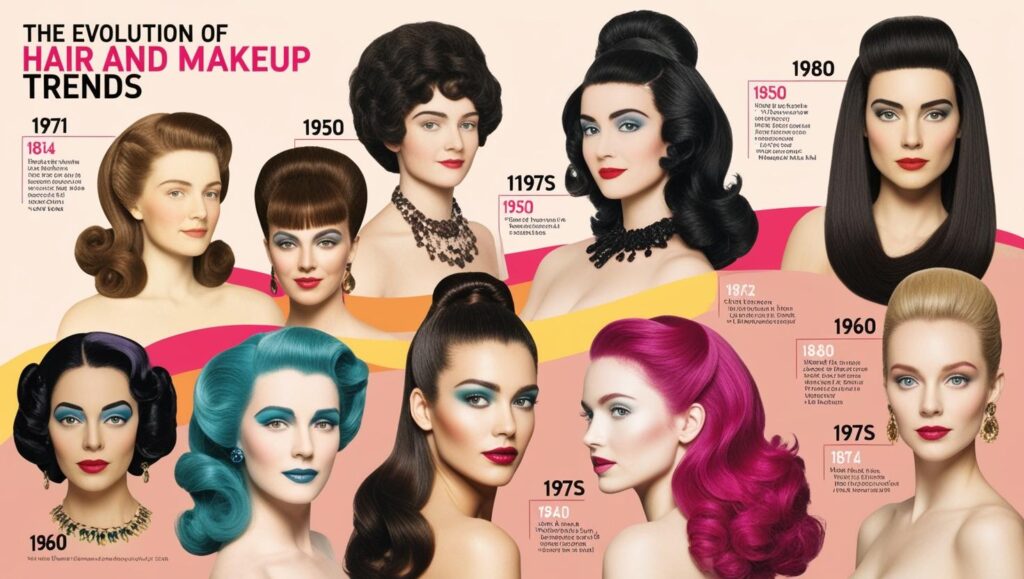
Past Beauty Trends That Once Ruled the World – Beauty trends are constantly evolving, but some looks leave such a strong mark that they define an entire era. Long before Instagram filters and viral makeup hacks, people across the world followed beauty standards that today might feel surprising, extreme, or even unbelievable. From powdered faces to dramatic eye styles, these past beauty trends once ruled the world and shaped how people expressed identity, status, and culture.

Looking back at these trends isn’t just about nostalgia. It helps us understand how beauty ideals change over time and why certain styles always seem to make a comeback in modern form.

Beauty Trends as a Reflection of Their Time

Every beauty trend is born from its environment. Social class, technology, media, and cultural values all play a role in shaping what is considered beautiful at a given moment. In the past, beauty was often linked to wealth and leisure, not convenience or self-expression like it is today.

When Beauty Meant Status

In many historical periods, beauty trends were designed to show that someone did not need to work outdoors. Pale skin, delicate features, and carefully styled hair became symbols of privilege. This idea influenced beauty routines for centuries and laid the foundation for many trends that followed.

Pale Skin Obsession Across Centuries

One of the most dominant beauty trends in history was the obsession with pale skin. From ancient Asia to Renaissance Europe, fair skin was seen as a sign of elegance and high social standing.

In Europe, especially during the 16th and 17th centuries, women used white powders made from chalk or even lead to lighten their complexion. While dangerous, these products were incredibly popular and widely used among the upper class. Pale skin meant you belonged to a refined world far removed from manual labor.

In East Asia, porcelain-like skin also became a long-lasting ideal. Natural ingredients were used to maintain brightness and smoothness, a tradition that still influences modern skincare routines today.

Dramatic Eyebrows and Eyes Through the Ages

Eye-focused beauty trends are not new. In fact, dramatic eye makeup has been around for thousands of years.

Ancient Eye Definition

In ancient Egypt, both men and women lined their eyes with kohl. This wasn’t just for beauty, but also for protection against the sun and infections. The bold, elongated eye shape became iconic and remains influential in modern eyeliner styles.

Thin Brows Era

Fast forward to the 1920s, and eyebrows took a completely different direction. Ultra-thin, heavily plucked brows became fashionable, inspired by silent film stars. Expressive eyes were essential in movies without sound, and exaggerated brows helped convey emotion on screen.

Although this trend faded, it set the stage for future eyebrow experiments, from pencil-thin arches to the bold, natural brows popular today.

Hair Trends That Defined Generations

Hair has always been a powerful form of self-expression, and past beauty trends show just how creative people have been.

Elaborate Hairstyles of the 18th Century

In the 1700s, hairstyles reached literal new heights. Women wore towering wigs decorated with feathers, ships, flowers, and even miniature scenes. These hairstyles were time-consuming and expensive, making them a clear display of wealth and social influence.

While modern hairstyles are far more practical, the idea of hair as a statement piece still exists, especially in fashion and celebrity culture.

The Rise of Short Hair for Women

The early 20th century marked a major shift when women began cutting their hair short. The bob haircut became a symbol of independence, freedom, and rebellion against traditional norms. It wasn’t just a beauty trend; it was a social statement.

Today, short hair continues to represent confidence and individuality, proving that some beauty trends never truly disappear.

Beauty Trends Influenced by Hollywood

As cinema and television gained popularity, beauty trends started spreading faster and wider than ever before. Hollywood became a global beauty reference point.

The Golden Age Glamour

In the 1940s and 1950s, glamorous waves, red lipstick, and flawless skin dominated beauty standards. Stars like Marilyn Monroe and Audrey Hepburn set trends that women around the world tried to recreate.

This era emphasized femininity, elegance, and polished looks, many of which still influence modern makeup styles for formal events.

Extreme Beauty Practices That Shock Modern Audiences

Some past beauty trends may feel uncomfortable or shocking today, but they were once completely normalized.

Foot binding in ancient China, skin-tight corsets in Victorian Europe, and teeth blackening in certain cultures all highlight how beauty ideals can push people to extremes. These practices remind us that beauty standards are not fixed and often come at a high personal cost.

Understanding these trends helps put modern beauty debates into perspective and encourages a healthier approach to self-image.

Why Past Beauty Trends Still Matter Today

Many current beauty trends are reinterpretations of old ideas. Winged eyeliner, bold red lips, and even skincare rituals all have historical roots. By studying past beauty trends, brands, influencers, and creators can build deeper narratives that resonate with audiences.

For content creators and PBN-focused sites, historical beauty topics offer evergreen value. They attract readers interested in culture, fashion, and lifestyle while allowing for natural keyword integration and long-term relevance.

The Cyclical Nature of Beauty

Beauty trends rarely disappear forever. They evolve, adapt, and return in new forms. What was once considered outdated can suddenly become fashionable again with a modern twist.

This cycle proves that beauty is less about following rules and more about storytelling. Each era leaves behind inspiration that continues to shape how people define and express beauty today.

Final Thoughts on Timeless Beauty Inspiration

Past beauty trends that once ruled the world may seem strange, elegant, or even extreme, but they all share one thing in common. They reflect human creativity and the desire to belong, stand out, or express identity.

By looking back, we gain a better understanding of the present and a clearer vision of where beauty trends might go next. In a world that constantly changes, history reminds us that beauty has always been about more than appearances.

Share: Facebook Twitter Linkedin
2026 Beauty Viral: LED Masks & Slow Aging Skincare Trends
Februari 5, 2026 | gselana

2026 Beauty Viral: LED Masks & Slow Aging Skincare Trends

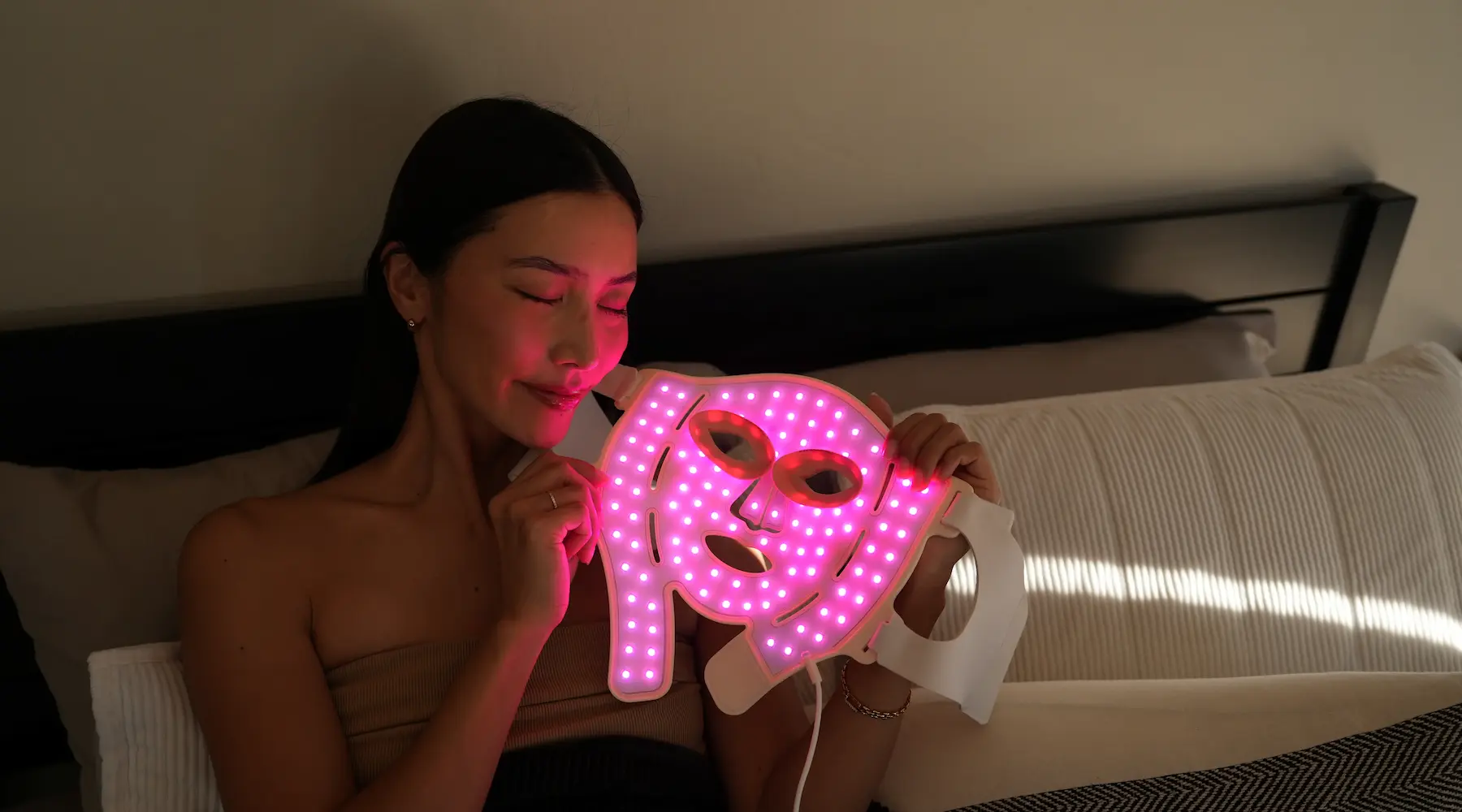
2026 Beauty Viral: LED Masks & Slow Aging Skincare Trends – The beauty industry in 2026 is moving in a very clear direction. Instead of chasing instant results and aggressive treatments, more people are embracing slow aging skincare and smart beauty devices that work with the skin, not against it. One of the biggest viral stars leading this shift is the LED mask. From social media influencers to dermatology clinics, LED light therapy is no longer a niche trend. It has become a core part of modern skincare routines.

This article explores why LED masks are dominating beauty trends in 2026 and how the slow aging movement is reshaping the future of skincare.

The Rise of LED Masks in 2026 Beauty Culture

LED masks have been around for years, but 2026 is the moment they truly go mainstream. What changed is accessibility, technology, and consumer mindset. Today’s LED masks are lighter, more comfortable, and more effective than early versions. They are also designed for home use, making professional-level skincare possible without constant clinic visits.

Social media plays a huge role in this rise. LED masks are visually striking, futuristic, and instantly recognizable, making them perfect for viral content. However, their popularity is not just about aesthetics. Consumers are seeing real, long-term skin improvements when using LED light therapy consistently.

Why LED Light Therapy Works

LED masks use different wavelengths of light to target specific skin concerns. Red light is known for boosting collagen production and reducing fine lines. Blue light helps fight acne-causing bacteria. Near-infrared light supports deeper skin healing and inflammation reduction.

What makes LED therapy fit perfectly into the 2026 skincare mindset is that it is non-invasive. There are no needles, no harsh chemicals, and no downtime. The skin improves gradually, which aligns with the philosophy of slow aging.

Understanding the Slow Aging Skincare Movement

Slow aging skincare is not about stopping aging. It is about supporting the skin as it naturally changes over time. In 2026, consumers are more educated and more patient. They are choosing routines that focus on skin health, barrier repair, and long-term resilience instead of quick fixes.

This shift is partly driven by skincare fatigue. After years of aggressive exfoliation, overuse of actives, and trend-hopping, many people experienced sensitivity, breakouts, and compromised skin barriers. Slow aging is a response to that burnout.

Key Principles Behind Slow Aging

Slow aging skincare emphasizes consistency, gentle formulations, and prevention. Ingredients like peptides, ceramides, antioxidants, and low-dose retinoids are favored over harsh treatments. Sunscreen remains the foundation, while tools like LED masks enhance results without stressing the skin.

Instead of dramatic before-and-after transformations, the goal is steady improvement. Healthier texture, more even tone, and stronger skin over time matter more than instant glow.

Why LED Masks Fit Perfectly Into Slow Aging Skincare

LED masks are not a replacement for skincare products. They are a supportive tool that enhances the skin’s natural repair processes. This makes them ideal for slow aging routines, where the focus is on gradual, sustainable results.

Using an LED mask a few times per week can improve circulation, stimulate collagen, and calm inflammation. When combined with a simple skincare routine, the results are often more noticeable and longer lasting than relying on products alone.

At-Home Beauty Devices Are the New Luxury

In 2026, luxury beauty is no longer defined by expensive creams alone. High-quality at-home devices like LED masks are considered smart investments. Consumers are willing to pay for tools that offer visible benefits and reduce the need for frequent clinic treatments.

This trend also reflects a desire for control and convenience. People want effective skincare that fits into their lifestyle. A 10 to 20-minute LED session at home feels manageable, relaxing, and empowering.

LED Masks and the Future of Anti-Aging

The term anti-aging is slowly disappearing from beauty marketing. Brands now prefer terms like age-supportive, pro-aging, or slow aging. LED masks align perfectly with this language shift because they support the skin without promising unrealistic results.

In 2026, dermatologists increasingly recommend LED therapy as a preventative measure. Starting LED treatments in the late 20s or early 30s is seen as a way to maintain skin health rather than reverse damage later.

Long-Term Benefits Over Quick Fixes

One reason LED masks continue to trend is their cumulative effect. Results build over time, which matches the expectations of educated skincare users. Fine lines soften gradually, skin tone becomes more even, and breakouts become less frequent.

This long-term approach encourages consistency, which is essential for real skin improvement. Slow aging skincare is not about dramatic transformations, but about aging with confidence and healthy skin.

How Brands Are Adapting to 2026 Beauty Trends

Beauty brands in 2026 are shifting their messaging to align with slow aging values. Instead of aggressive claims, they focus on science-backed results, skin biology, and realistic timelines. LED masks are often marketed alongside gentle serums and barrier-repair products.

There is also a growing focus on education. Brands explain how light wavelengths work and how to integrate LED therapy into existing routines. This transparency builds trust and strengthens long-term customer relationships.

Sustainability and Conscious Beauty Choices

Another reason LED masks remain popular is sustainability. While the initial investment may be higher, they reduce the need for disposable treatments and excessive product use. Consumers in 2026 are more mindful of waste and environmental impact, and reusable beauty devices fit well into this mindset.

Slow aging skincare also encourages mindful consumption. Fewer products, better tools, and intentional routines are becoming the new standard.

Final Thoughts on LED Masks and Slow Aging Skincare

The viral success of LED masks in 2026 is not just a trend. It reflects a deeper change in how people view beauty and aging. Slow aging skincare prioritizes skin health, patience, and consistency, while LED light therapy provides a science-backed way to support those goals.

As beauty routines become more intentional and less extreme, LED masks are likely to remain a core part of skincare for years to come. They represent the future of beauty where technology, self-care, and long-term skin health come together naturally.

In 2026, glowing skin is no longer about fighting time. It is about working with it.

Share: Facebook Twitter Linkedin
Behind the Beauty Industry Secrets Formulas and Obsession
Februari 1, 2026 | gselana

Behind the Beauty Industry Secrets Formulas and Obsession

Behind the Beauty Industry Secrets Formulas and Obsession – The beauty industry has always held a certain mystique. From glossy magazine covers to social media campaigns, it promises transformation, confidence, and a touch of luxury. But behind the perfectly packaged products and polished marketing, there is a world of secrets, formulas, and an obsession with innovation that most consumers rarely see. Understanding this hidden side of beauty can give us a deeper appreciation for the products we use every day.

Today, the beauty industry is more than makeup and skincare—it’s a complex ecosystem of research, trends, and consumer psychology. Every product carries a story, from laboratory experimentation to marketing strategies designed to captivate. Exploring these layers reveals not just how beauty works, but why we are drawn to it so strongly.

The Obsession With Innovation

One of the defining traits of the beauty industry is its relentless pursuit of innovation. Companies are constantly developing new formulas, textures, and effects to stay ahead of trends and meet consumer demands. Skincare brands, for instance, invest heavily in research to create ingredients that promise hydration, anti-aging benefits, or brighter skin tones. Makeup brands chase lightweight textures, long-lasting wear, and multi-functional products.

Science Meets Art

Behind every product is a careful balance of science and creativity. Cosmetic chemists experiment with chemical compounds to achieve the right consistency, absorption rate, and effect. But innovation is not just about function—it’s also about the aesthetic experience. A moisturizer must feel luxurious, a foundation should look natural, and a lipstick needs to glide effortlessly.

This obsession with perfection drives the industry to constantly refine formulas. Sometimes small tweaks in texture, scent, or finish can make a product feel completely new, even if the core formula remains similar.

The Power of Secret Formulas

Many beauty products owe their popularity to secret formulas. These closely guarded recipes are often the result of years of research and development. Companies protect these formulations not only to maintain a competitive edge but also to preserve the allure of uniqueness.

What Makes a Formula “Secret”?

A secret formula is more than just a list of ingredients—it’s the precise combination, order, and process that creates the desired effect. Even minor adjustments in concentration or method can dramatically change a product’s performance. For example, the right balance of oils, emulsifiers, and active compounds can make a serum feel lightweight while remaining deeply hydrating.

Consumers often see the end result without realizing the meticulous experimentation behind it. This hidden complexity is part of what makes the beauty industry both fascinating and mysterious.

Marketing and the Beauty Obsession

The beauty industry thrives not only on science but also on storytelling. Marketing creates desire, shaping perceptions and turning products into must-have items. Social media, influencer campaigns, and glossy advertising all play a role in building the aura of beauty obsession.

Creating a Sense of Exclusivity

Limited editions, “cult favorite” products, and high-end branding contribute to the allure. Consumers are drawn to items that seem rare or highly recommended. This exclusivity taps into human psychology—when something feels scarce or special, we perceive it as more valuable.

Marketing strategies often emphasize transformation. From “instant glow” to “age-defying miracle,” these claims captivate attention. While some are grounded in real results, others rely on perception and presentation. Understanding this helps consumers navigate the hype with a more informed perspective.

The Role of Ingredients

Ingredients are the backbone of the beauty industry, and their selection is far from random. Research teams study how compounds interact with skin, hair, and nails to create effective products. Modern beauty places a strong emphasis on active ingredients that deliver tangible benefits.

From Tradition to Innovation

Some ingredients, like aloe vera, jojoba oil, and shea butter, have long histories in skincare. Others, like peptides, hyaluronic acid, and antioxidants, represent modern innovation. Beauty brands often combine traditional knowledge with cutting-edge science to offer results that appeal to both trust and curiosity.

Transparency about ingredients has also become increasingly important. Consumers want to know what they’re putting on their skin, driving the rise of clean beauty and eco-conscious formulas. Even so, the precise “magic” often remains a well-kept secret.

Obsession and Consumer Culture

The beauty industry thrives on the emotional connection consumers have with products. This connection fuels an obsession that goes beyond appearance—it touches identity, confidence, and self-expression. People collect, experiment, and share their beauty routines as a form of personal storytelling.

Beauty as a Lifestyle

Beauty is no longer just about looking good; it’s about living well. Skincare routines become rituals, makeup choices reflect personality, and hair care mirrors lifestyle preferences. This holistic approach explains why the industry has grown so rapidly and why people are willing to invest time, money, and attention in it.

Challenges Behind the Glamour

Despite its allure, the beauty industry faces challenges. Formulas that work for some may cause reactions for others, marketing claims can sometimes be misleading, and the pressure to innovate constantly can lead to short product lifecycles. Balancing creativity, efficacy, and ethics remains an ongoing challenge.

Ethical Considerations

Sustainability, cruelty-free practices, and responsible sourcing are now essential considerations. Brands must align product development with environmental and social responsibility. Consumers increasingly demand transparency, putting pressure on companies to maintain integrity behind the scenes.

The Future of Beauty Secrets

The future of the beauty industry lies in personalization, technology, and continued research. Personalized skincare, AI-driven product recommendations, and advanced formulations will make products more effective and tailored to individual needs. However, the fascination with secrets and innovation will remain, as consumers continue to be drawn to the allure of hidden formulas and breakthrough products.

Embracing Informed Beauty Choices

Understanding the secrets, formulas, and obsessions behind beauty helps consumers make smarter decisions. It empowers people to appreciate both the science and art of beauty while navigating marketing with awareness. Ultimately, knowledge strengthens confidence and makes the pursuit of beauty more enjoyable and meaningful.

Conclusion

The beauty industry is a complex blend of science, creativity, and human desire. From secret formulas to relentless innovation, it thrives on both what it reveals and what it keeps hidden. Obsession drives development, marketing shapes perception, and ingredients deliver the promise of transformation.

By looking behind the scenes, we gain a richer understanding of the industry’s power and allure. Beauty is more than skin-deep—it is a reflection of culture, identity, and aspiration. Appreciating this hidden world allows us to enjoy products with both wonder and wisdom, making our own beauty rituals more intentional and fulfilling.
Share: Facebook Twitter Linkedin
The Modern Beauty Space Covering Skincare Makeup and Care
Februari 1, 2026 | gselana

The Modern Beauty Space Covering Skincare Makeup and Care

The Modern Beauty Space Covering Skincare Makeup and Care – The modern beauty space has evolved far beyond simple skincare routines or makeup trends. Today, beauty is a complete lifestyle that blends self-care, confidence, wellness, and personal expression. From advanced skincare formulations to makeup that enhances natural features, the beauty industry continues to adapt to the needs of modern consumers who want more than just surface-level results.

This shift has created a beauty ecosystem where skincare, makeup, and personal care are deeply connected. Understanding how these elements work together is essential for anyone who wants to embrace beauty in a more holistic and sustainable way.

Understanding the Modern Beauty Space

The modern beauty space is defined by balance. Instead of focusing solely on appearance, it emphasizes long-term skin health, mindful routines, and products that support everyday life. Beauty is no longer about covering imperfections, but about enhancing what already exists.

Consumers today are more informed. They read ingredient lists, research brands, and seek solutions that fit their lifestyle. This awareness has pushed the beauty industry to become more transparent, innovative, and inclusive.

Beauty as a Daily Ritual

In the past, beauty routines were often seen as occasional or reserved for special events. Now, skincare and makeup are part of daily self-care rituals. Morning and evening routines provide structure, relaxation, and a sense of control in busy lives.

Cleansing, moisturizing, applying sunscreen, or using light makeup are no longer chores. They are moments of self-connection that support both physical appearance and mental well-being.

Skincare as the Foundation of Modern Beauty

Skincare sits at the core of the modern beauty space. Healthy skin reduces the need for heavy makeup and allows natural beauty to shine through. This is why skincare-first beauty routines have become increasingly popular.

Focus on Skin Health Over Perfection

Modern skincare emphasizes skin health rather than flawless skin. Breakouts, texture, and fine lines are treated as normal, not flaws. The goal is balance, hydration, and protection.

Ingredients such as niacinamide, hyaluronic acid, ceramides, and gentle exfoliants are widely used to strengthen the skin barrier. Sunscreen has also become a non-negotiable step, recognized as essential for long-term skin protection.

Personalized Skincare Routines

One-size-fits-all skincare is no longer relevant. The modern beauty space values personalization based on skin type, climate, lifestyle, and age. This approach leads to better results and fewer skin issues over time.

People are encouraged to listen to their skin, adjust routines seasonally, and avoid overusing active ingredients. Simplicity and consistency often outperform complex routines.

Makeup That Enhances, Not Hides

Makeup in the modern beauty space is about enhancement, not transformation. The trend has shifted from heavy coverage to lightweight formulas that work in harmony with skincare.

Skin-Like Finishes and Natural Looks

Foundations and concealers now focus on breathable textures and skin-like finishes. Tinted moisturizers, BB creams, and serum foundations allow skin to show through while providing a healthy glow.

Makeup trends favor soft colors, blended edges, and effortless looks. This reflects a desire for authenticity and comfort, especially for everyday wear.

Skincare-Infused Makeup Products

One of the biggest innovations in modern beauty is skincare-infused makeup. Products now include hydrating ingredients, antioxidants, and SPF, blurring the line between skincare and makeup.

This integration supports skin health throughout the day, making makeup a supportive layer rather than a burden on the skin.

Personal Care as Part of the Beauty Lifestyle

Beauty does not stop at the face. The modern beauty space includes body care, hair care, and overall wellness. Personal care routines are essential for creating a complete beauty experience.

Body Care Beyond Basic Hygiene

Body care has transformed from simple cleansing into a self-care practice. Moisturizing, exfoliating, and using nourishing body products are seen as extensions of skincare.

Fragrances, textures, and formulations are chosen not only for effectiveness but also for how they make people feel. Comfort and sensory experience play a big role in modern beauty habits.

Hair Care as Self-Expression

Hair care is another key element of modern beauty. Healthy hair supports confidence and personal style. Routines now focus on scalp health, gentle cleansing, and minimizing damage from heat or chemicals.

Products are designed to suit different hair types and lifestyles, allowing individuals to express themselves without compromising hair health.

The Influence of Digital Culture on Beauty

Digital platforms have reshaped how people interact with beauty content. Tutorials, reviews, and real-life experiences shared online influence purchasing decisions and beauty routines.

Education Over Promotion

Modern beauty consumers value education. They want to understand how products work and how to use them correctly. Honest reviews and practical advice are more trusted than overly polished advertising.

This shift has encouraged brands and creators to focus on transparency and authenticity, strengthening trust within the beauty community.

Community and Inclusivity

The modern beauty space is more inclusive than ever. Different skin tones, ages, and gender expressions are represented and celebrated. Beauty is no longer limited by traditional standards.

This inclusivity creates a sense of belonging and encourages people to explore beauty on their own terms.

Sustainability and Conscious Beauty Choices

Sustainability has become an important part of modern beauty. Consumers are more aware of environmental impact and ethical practices.

Packaging choices, cruelty-free testing, and responsible sourcing influence buying decisions. While perfection is not always possible, small conscious choices contribute to a more responsible beauty industry.

The Future of the Modern Beauty Space

The modern beauty space will continue to evolve alongside technology and lifestyle changes. Innovation will focus on smarter formulations, personalized solutions, and seamless integration between skincare, makeup, and care.

What remains constant is the desire for beauty that feels good, works effectively, and supports individuality. Beauty is no longer about fitting in, but about feeling comfortable and confident in one’s own skin.

Conclusion

The modern beauty space represents a new way of thinking about skincare, makeup, and care. It is holistic, mindful, and deeply personal. By focusing on skin health, natural enhancement, and daily self-care, beauty becomes a sustainable part of everyday life.

Skincare builds the foundation, makeup enhances expression, and personal care completes the experience. Together, they create a modern beauty lifestyle that values balance, authenticity, and long-term well-being.

Share: Facebook Twitter Linkedin