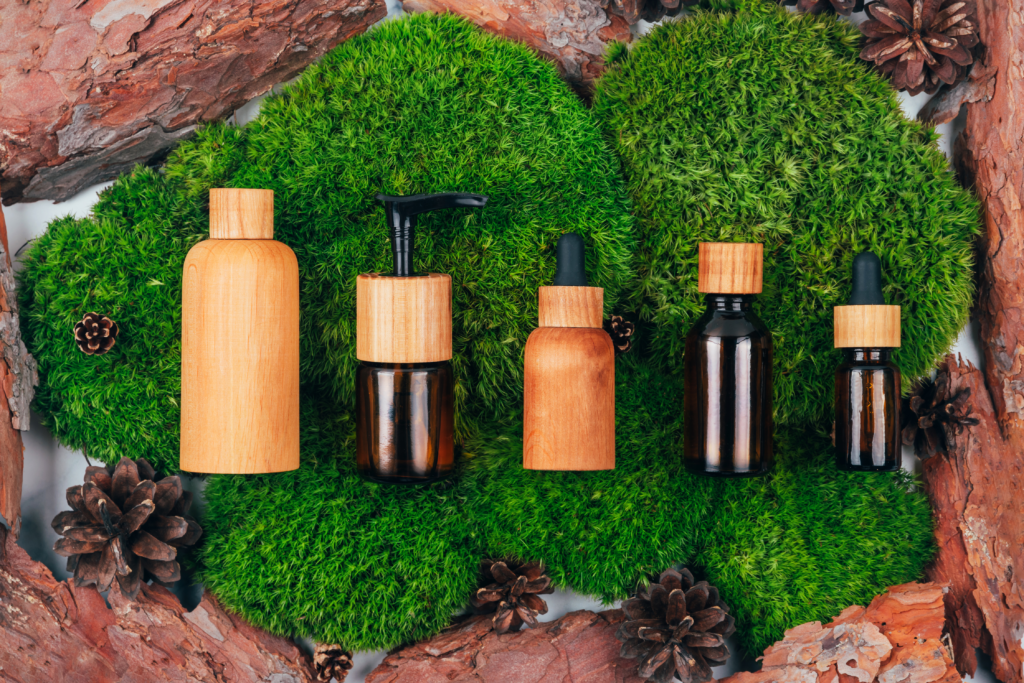
Global Beauty and Cosmetic Industry Overview
Global Beauty and Cosmetic Industry Overview – The global beauty and cosmetic industry has evolved into one of the most dynamic and resilient sectors in the world economy. From skincare and makeup to fragrance and personal care, beauty is no longer just about appearance. It has become a lifestyle, a form of self-expression, and for many consumers, a daily ritual tied closely to identity and well-being.
Over the past decade, the industry has shown consistent growth, even during periods of economic uncertainty. This resilience is driven by changing consumer behavior, rapid innovation, and the global expansion of beauty brands across both developed and emerging markets. Today, beauty is truly global, shaped by diverse cultures, digital influence, and evolving standards of self-care.
The Size and Growth of the Global Beauty Market
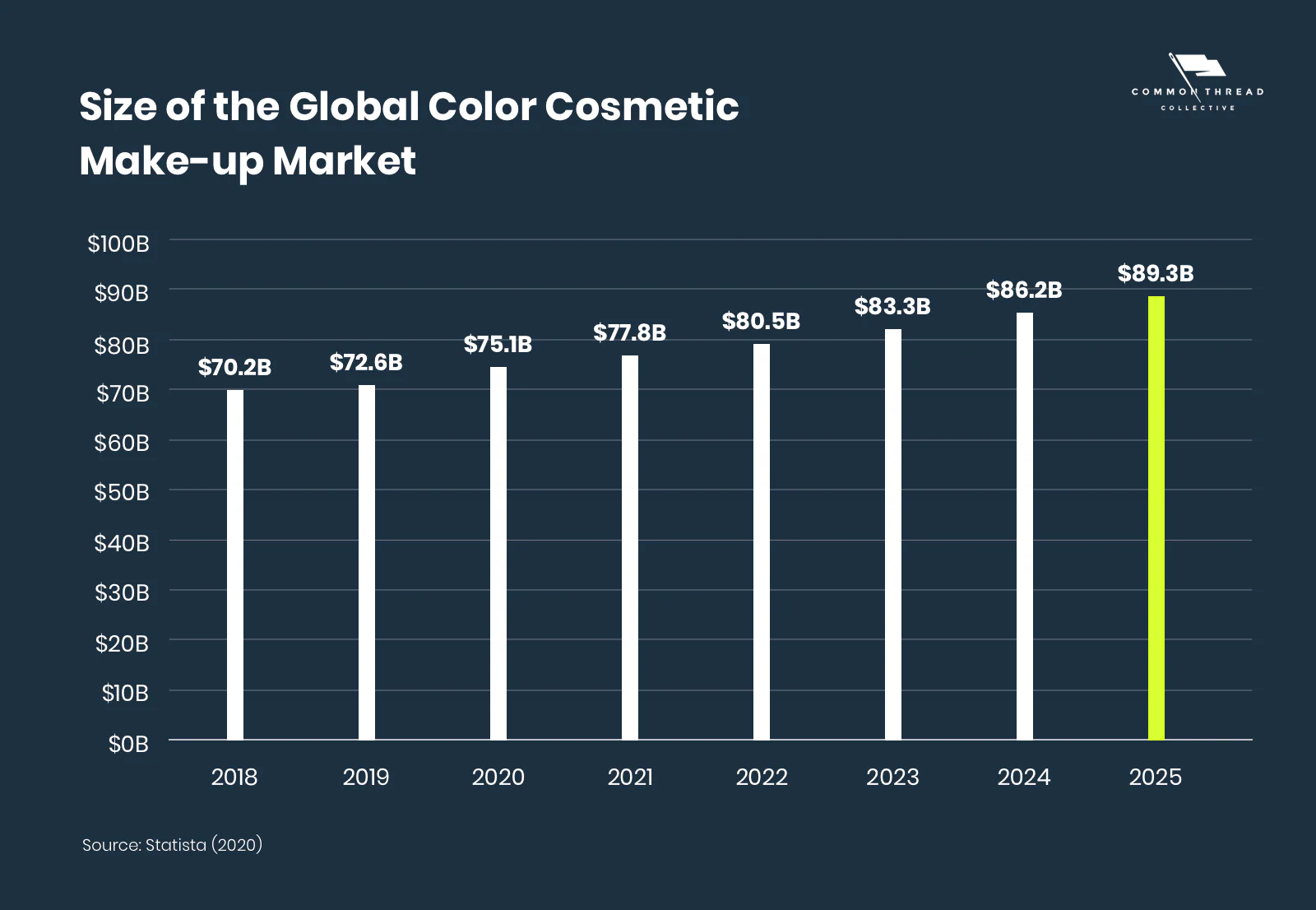
The global beauty and cosmetics market is valued in the hundreds of billions of dollars and continues to expand year after year. Major markets such as the United States, Europe, China, Japan, and South Korea play a critical role in driving revenue, while emerging regions in Southeast Asia, the Middle East, and Latin America are experiencing accelerated growth.
One of the key factors behind this expansion is the rising middle class in developing countries. As disposable income increases, consumers are more willing to spend on premium beauty products, skincare routines, and personal grooming. At the same time, urbanization and digital access expose new audiences to global beauty trends faster than ever before.
Another important driver is the shift from basic cosmetic use to comprehensive beauty routines. Consumers are investing more in skincare, haircare, and wellness-focused products rather than relying solely on decorative cosmetics.
Key Segments Within the Beauty and Cosmetic Industry
Skincare as the Industry’s Powerhouse
Skincare has become the dominant segment within the global beauty industry. Products such as cleansers, moisturizers, serums, sunscreens, and anti-aging treatments account for a significant share of total market revenue. This growth is fueled by increased awareness of skin health, preventive care, and long-term benefits rather than quick cosmetic fixes.
Consumers today are more educated. They read ingredient labels, follow dermatologists online, and understand the importance of routines. This has pushed brands to focus on transparency, formulation quality, and scientifically backed claims.
Makeup and Color Cosmetics in a Digital Era
While skincare leads in growth, makeup remains a cultural and creative cornerstone of the industry. Foundations, lip products, eye makeup, and face palettes continue to evolve with fashion trends and social media influence.
Digital platforms have transformed how makeup trends spread. A single viral video can influence global demand overnight. As a result, cosmetic brands are shortening product development cycles and releasing limited collections to stay relevant and competitive.
Fragrance and Personal Care
Fragrance maintains a strong emotional connection with consumers, often associated with identity, memory, and lifestyle. Meanwhile, personal care products such as body wash, deodorants, and oral care are increasingly positioned as part of a holistic beauty experience rather than basic necessities.
Premiumization is a notable trend here, with consumers willing to pay more for unique scents, sustainable packaging, and high-quality formulations.
The Role of Technology and Innovation
Technology plays a central role in shaping the modern beauty industry. Research and development have led to advanced formulations, biotech ingredients, and personalized beauty solutions. From AI-powered skin analysis tools to virtual try-on features, brands are integrating digital innovation to enhance customer experience.
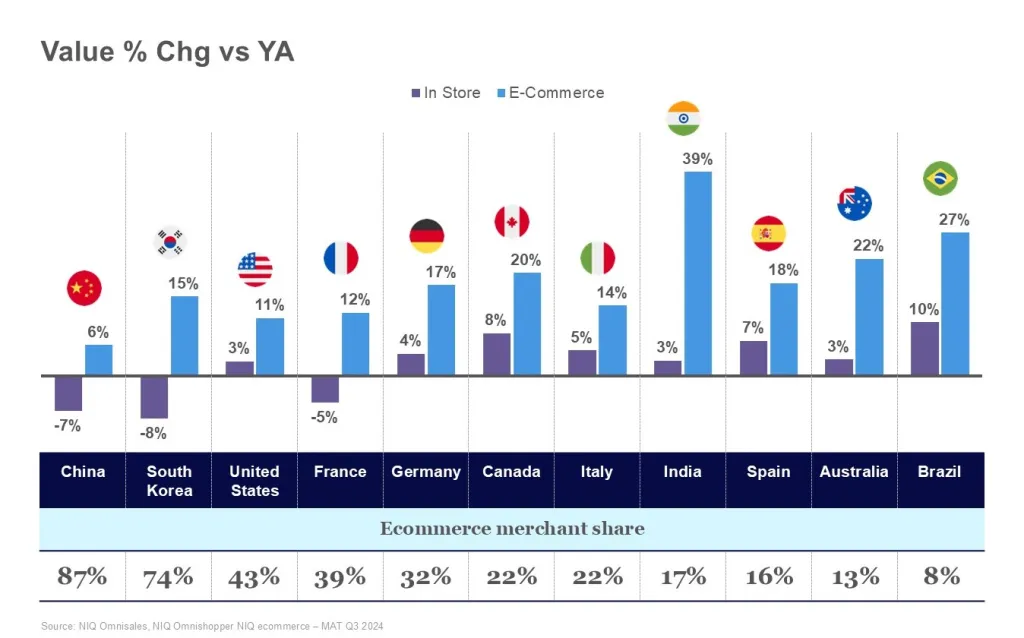
E-commerce has also transformed how beauty products are marketed and sold. Online beauty stores, brand websites, and social commerce platforms allow companies to reach global audiences without relying solely on physical retail locations. This shift has lowered entry barriers for indie brands and intensified competition across the market.
Clean Beauty, Sustainability, and Ethical Trends
The Rise of Clean and Natural Beauty
Clean beauty is no longer a niche trend. Consumers increasingly prefer products free from harsh chemicals, artificial fragrances, and controversial ingredients. Natural, organic, and plant-based formulations are now mainstream, especially among younger demographics.
This shift has forced both established brands and new entrants to reformulate products and communicate ingredient safety more clearly.
Sustainability and Environmental Responsibility
Sustainability has become a critical issue in the global beauty and cosmetic industry. Packaging waste, carbon footprints, and ethical sourcing are under constant scrutiny. Brands are responding by using recyclable materials, refillable containers, and cruelty-free testing methods.
Consumers are not only buying products but also buying values. Companies that align with environmental responsibility and social ethics tend to build stronger brand loyalty over time.
Regional Influences and Global Trends
Beauty trends often originate in specific regions before spreading worldwide. South Korea has popularized multi-step skincare routines and innovative textures, while Western markets focus heavily on inclusivity and diversity. Japan emphasizes minimalist beauty and long-term skin health, whereas Middle Eastern markets show strong demand for fragrance and luxury cosmetics.
Globalization allows brands to blend these influences, creating products that appeal to multiple cultures while maintaining local relevance.
Challenges Facing the Global Beauty Industry
Despite its growth, the beauty and cosmetic industry faces several challenges. Market saturation makes differentiation difficult, especially in mature markets. Regulatory compliance across different countries can be complex and costly. Additionally, consumers are becoming more skeptical of exaggerated marketing claims, demanding authenticity and real results.
Supply chain disruptions, rising production costs, and fast-changing trends also require brands to stay agile and adaptive.
The Future Outlook of the Beauty and Cosmetic Industry
Looking ahead, the global beauty and cosmetic industry is expected to continue its upward trajectory. Personalization, wellness integration, and technology-driven solutions will shape the next phase of growth. Consumers will seek products that align with their individual needs, lifestyles, and values.
Brands that prioritize transparency, innovation, and customer connection will remain competitive in this evolving landscape. As beauty continues to intersect with health, culture, and technology, the industry’s influence will extend far beyond cosmetics alone.
In conclusion, the global beauty and cosmetic industry is more than a commercial sector. It reflects social change, personal identity, and the way people care for themselves in a modern world. Its ability to adapt and reinvent itself ensures that beauty will remain a powerful and profitable industry for years to come.
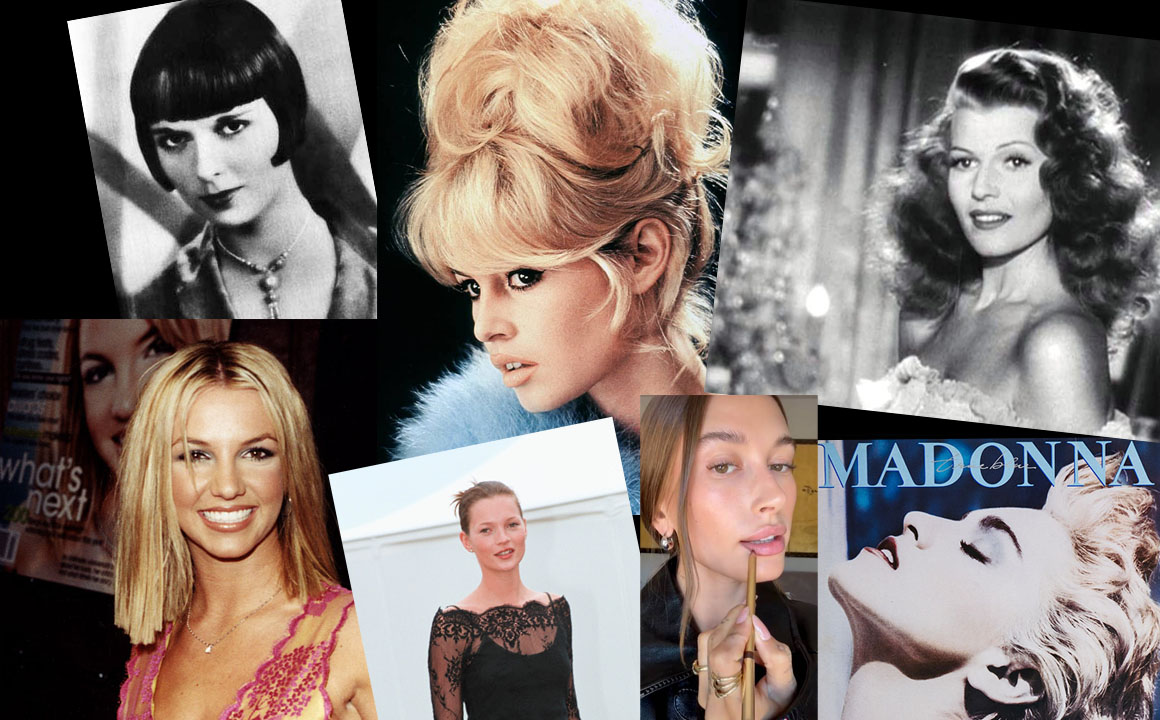
The Evolution of Beauty and Cosmetics Across the Globe
The Evolution of Beauty and Cosmetics Across the Globe – Beauty and cosmetics have always been more than just tools for appearance. Across different civilizations, makeup and skincare reflected culture, status, beliefs, and even survival. From ancient rituals to modern global industries, the evolution of beauty and cosmetics tells a fascinating story of how humans have expressed identity and creativity throughout history.
Today’s beauty trends may feel modern and innovative, but many of their roots go back thousands of years. By understanding how cosmetics evolved across the globe, we gain deeper insight into why beauty continues to play such a powerful role in human society.
Ancient Origins of Beauty and Cosmetics
Early Beauty Practices in Ancient Civilizations
The earliest evidence of cosmetics dates back to ancient Egypt around 4000 BCE. Egyptians used natural ingredients such as kohl, charcoal, and crushed minerals to enhance their eyes. These cosmetics were not only decorative but also believed to offer spiritual protection and shield the skin from harsh sunlight.
In Mesopotamia, both men and women used scented oils and pigments to decorate their bodies. Beauty was closely tied to social class, with wealthier individuals having access to more refined cosmetic materials. Meanwhile, ancient Chinese and Japanese cultures focused heavily on skincare, favoring pale, smooth skin as a symbol of nobility and refinement.
Across the Indus Valley and early Indian civilizations, beauty rituals included herbal pastes, oils, and dyes derived from plants. Henna, for example, was used not only for decoration but also for its cooling and medicinal properties.
Beauty as Symbolism and Power
In many ancient cultures, cosmetics were deeply symbolic. In ancient Rome and Greece, beauty routines reflected wealth, health, and morality. Fair skin was admired because it suggested a life free from manual labor. Women used chalk, lead-based powders, and natural dyes, often unaware of the long-term health risks.
Similarly, in Africa, beauty rituals varied widely between regions. Natural clays, oils, and pigments were used for ceremonies, protection, and storytelling. These practices emphasized connection to nature and cultural identity rather than imitation of external beauty standards.
The Middle Ages to Renaissance: Shifting Beauty Ideals
Beauty and Religion in the Middle Ages
During the Middle Ages in Europe, cosmetics experienced a decline due to religious influence. Makeup was often viewed as deceitful or sinful, associated with vanity and temptation. Despite this, skincare remained important, with herbal remedies and natural treatments widely used.
In contrast, the Islamic Golden Age saw significant advancements in cosmetics and perfumery. Scholars developed refined distillation techniques, leading to the creation of perfumes, essential oils, and skincare formulations that influenced Europe for centuries.
Renaissance Revival of Cosmetics
The Renaissance marked a renewed interest in beauty and self-expression. Pale skin, rosy cheeks, and bright eyes became fashionable once again. However, many cosmetic products still contained harmful ingredients like mercury and lead.
During this era, beauty became closely connected to art, fashion, and status. Women and men alike participated in beauty routines, signaling sophistication and cultural awareness. This period laid the groundwork for cosmetics becoming a commercial product rather than purely homemade remedies.
The Global Expansion of Cosmetics in the Modern Era
Industrialization and the Birth of the Beauty Industry
The 19th and early 20th centuries transformed cosmetics forever. Industrialization made beauty products more accessible to the general public. Brands began producing standardized products, and advertising played a major role in shaping beauty ideals.
In Europe and the United States, cosmetics shifted from being associated with theater and aristocracy to everyday use. Lipstick, foundation, and skincare products entered mainstream culture, especially as women gained more independence and visibility in public life.
At the same time, traditional beauty practices in Asia, Africa, and Latin America continued to influence local markets. Ingredients such as rice powder, shea butter, aloe vera, and botanical oils gained recognition beyond their regions of origin.
Beauty Across Cultures in the 20th Century
As global travel and media expanded, beauty standards began to cross borders. Hollywood films, fashion magazines, and later television introduced Western beauty ideals worldwide. However, local cultures adapted these influences rather than abandoning their traditions completely.
In Japan and South Korea, skincare became a central part of beauty culture, emphasizing prevention, hydration, and long-term skin health. In India, Ayurveda-inspired beauty products gained renewed popularity, blending ancient wisdom with modern science.
Africa and the Caribbean continued to celebrate natural ingredients and hair textures, although global beauty standards often pressured conformity. Over time, resistance to these pressures fueled movements centered on inclusivity and cultural pride.
The Digital Age and the Future of Beauty
Social Media and Global Beauty Trends
The rise of social media dramatically changed the beauty industry. Platforms like Instagram, YouTube, and TikTok allowed beauty trends to spread globally in seconds. Makeup techniques, skincare routines, and product reviews became accessible to anyone with an internet connection.
This digital shift also gave rise to diverse beauty influencers, representing different skin tones, body types, and cultural backgrounds. As a result, beauty standards became more inclusive and personalized than ever before.
Brands began responding to consumer demand for authenticity, sustainability, and transparency. Clean beauty, cruelty-free products, and eco-friendly packaging gained popularity across global markets.
A Return to Roots with Modern Innovation
Interestingly, the future of cosmetics appears to be circling back to its origins. Consumers are increasingly interested in natural ingredients, traditional beauty rituals, and holistic self-care. Ancient practices from various cultures are being reimagined through modern technology and scientific research.
From herbal skincare to minimalist makeup routines, the global beauty industry continues to evolve while honoring its past. Beauty is no longer just about appearance, but about wellness, confidence, and self-expression.
Conclusion: Beauty as a Universal Language
The evolution of beauty and cosmetics across the globe shows that while trends change, the human desire to express identity remains constant. From ancient rituals to digital-age innovations, cosmetics have always reflected cultural values, social structures, and personal beliefs.
As the world becomes more connected, beauty continues to unite traditions and technologies, creating a richer and more inclusive global landscape. Understanding this evolution not only enhances our appreciation of cosmetics but also reminds us that beauty, in all its forms, is deeply human.
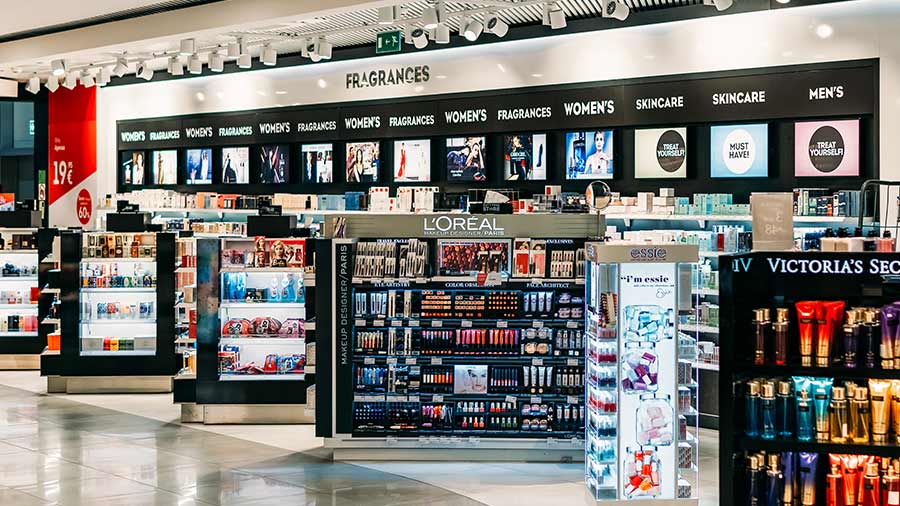
Inside the Global Cosmetic Market and Beauty Lifestyle
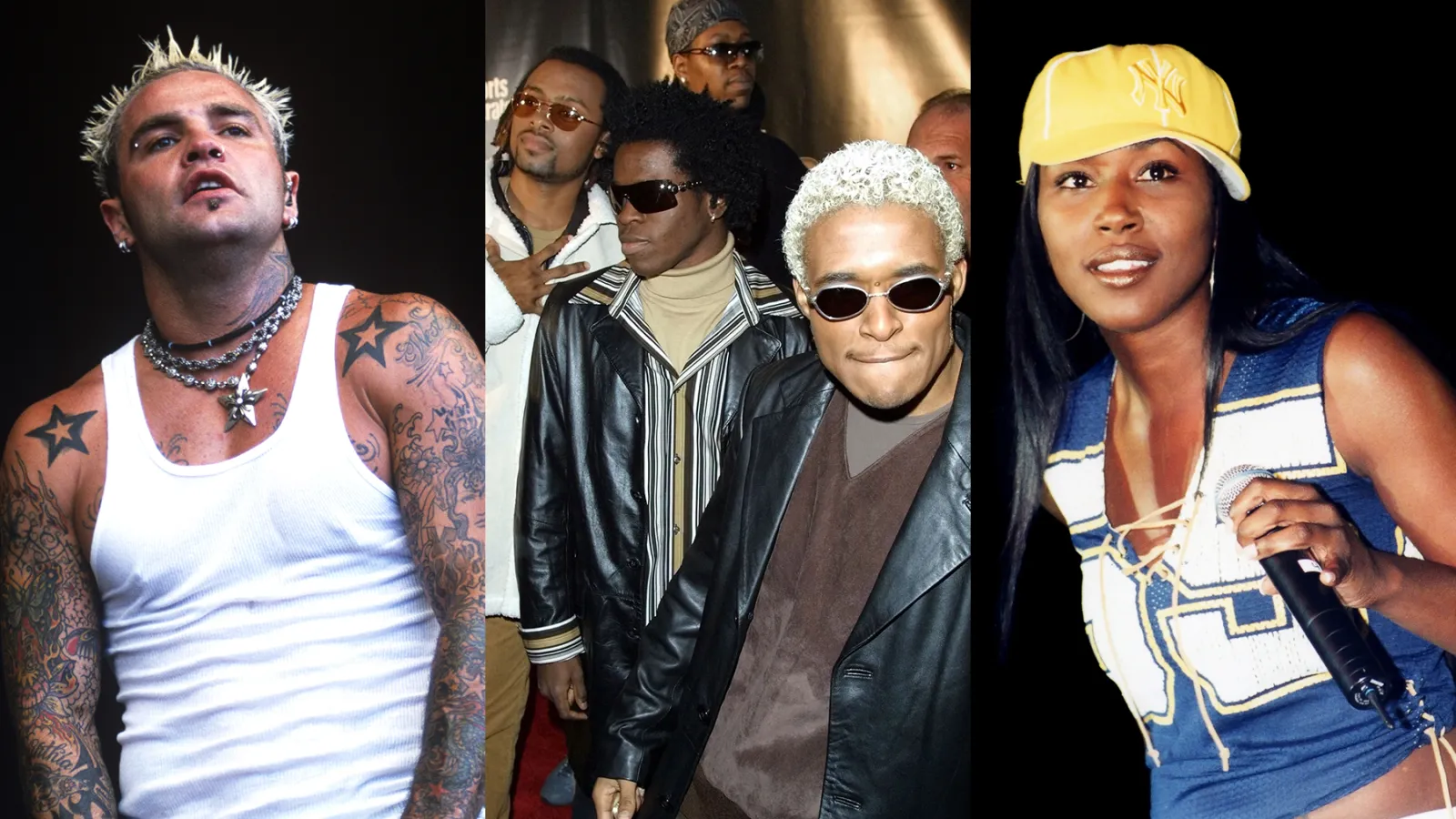
Popular Cosmetic Styles That Ruled the 2000s Worldwide
Popular Cosmetic Styles That Ruled the 2000s Worldwide – The early 2000s were a defining era for global beauty trends. It was a time when pop culture, music television, celebrity influence, and fashion magazines shaped cosmetic styles across the world. From glossy lips to ultra-thin eyebrows, the 2000s introduced bold beauty choices that left a lasting mark on the cosmetic industry.
Unlike today’s clean and minimal aesthetic, 2000s makeup was expressive, experimental, and often unapologetically dramatic. These trends were not limited to one region. They spread worldwide, influencing beauty routines from North America to Asia and Europe.
The Influence of Pop Culture and Media
Cosmetic styles in the 2000s were deeply connected to pop culture. Music videos, red carpet appearances, and teen dramas became major sources of beauty inspiration. Celebrities were not just entertainers; they were trendsetters whose looks were copied globally.
Television channels and fashion magazines played a crucial role in shaping public taste. A single appearance at an award show could redefine what was considered stylish makeup overnight.
Celebrity Icons That Defined the Era
Pop stars and actresses of the 2000s became global beauty icons. Their signature makeup looks were instantly recognizable and widely replicated. Smoky eyes, glossy lips, and bronzed skin dominated magazine covers and beauty campaigns.
This era marked the beginning of celebrity-driven beauty trends, a foundation that later evolved into influencer culture.
Glossy Lips and Shiny Finishes
One of the most iconic cosmetic styles of the 2000s was the obsession with glossy lips. Lip gloss was a must-have item, often applied generously for a shiny, reflective finish. Clear gloss, pink tones, and shimmering nude shades were especially popular.
Lip gloss symbolized youth, freshness, and effortless beauty. It was worn everywhere, from casual daytime looks to glamorous evening events.
The Rise of Lip Plumping Trends
Alongside gloss, lip plumping products gained popularity. Fuller-looking lips became a beauty goal, long before advanced cosmetic procedures became mainstream. Plumping glosses promised volume and shine, reinforcing the era’s love for bold lips.
Ultra-Thin Eyebrows and Face Framing
Eyebrow trends in the 2000s were drastically different from today’s fuller, natural brows. Thin, sharply defined eyebrows ruled the decade. Many people over-plucked their brows to achieve a sleek and polished appearance.
This cosmetic style was seen as modern and fashionable at the time. It framed the face in a dramatic way and paired well with bold eye makeup looks.
How Thin Brows Became a Global Trend
The thin eyebrow trend spread worldwide through fashion editorials and celebrity appearances. Beauty salons and cosmetic brands adapted quickly, offering products designed to enhance and define narrow brow shapes.
Although this trend later faced criticism, it remains one of the most memorable beauty statements of the 2000s.
Smoky Eyes and Heavy Eye Makeup
Eye makeup in the 2000s was all about intensity. Smoky eyes, dark eyeliner, and heavy mascara were everyday choices rather than special occasion looks. Black, gray, and deep brown shades dominated eye palettes.
This dramatic approach to eye makeup allowed for creativity and self-expression. It complemented both casual outfits and glamorous fashion styles.
The Popularity of Eyeliner and Mascara
Eyeliner became a defining cosmetic tool during this era. Thick eyeliner on the upper and lower lash lines was common, creating a bold and edgy appearance. Mascara was applied heavily to achieve long, voluminous lashes.
This style reflected confidence and a rebellious spirit that resonated with young consumers worldwide.
Bronzed Skin and Sun-Kissed Looks
The 2000s beauty ideal favored bronzed, sun-kissed skin. Tanning products and bronzers were widely used to achieve a warm glow. Pale skin was often seen as less fashionable compared to golden, glowing complexions.
Bronzer was applied generously on cheeks, forehead, and jawline, sometimes replacing blush altogether. This trend was influenced by beach culture, celebrity vacations, and fashion photography.
The Evolution of Contouring Basics
While modern contouring techniques were not yet developed, the 2000s laid the groundwork. Bronzer was used to define facial features, creating depth and warmth without complex shading methods.
Frosted Eyeshadow and Shimmer Effects
Shimmer and frost finishes were essential in 2000s makeup routines. Frosted eyeshadows in pastel shades like silver, baby blue, and light pink were extremely popular. These shades reflected light and added a futuristic touch to eye looks.
Shimmer makeup symbolized fun, experimentation, and youth. It was often paired with glossy lips and thin brows for a complete 2000s aesthetic.
Why Shimmer Defined the Decade
The fascination with shine came from a cultural focus on glamour and excess. Beauty was meant to stand out, and shimmer products delivered instant impact under lights and cameras.
The Global Impact of 2000s Cosmetic Styles
What made 2000s cosmetic styles unique was their global reach. Beauty trends traveled faster than ever before through media and international fashion brands. Local beauty cultures adapted these trends, blending them with regional preferences.
In Asia, Western makeup styles merged with existing beauty rituals. In Europe, minimalist fashion was often paired with bold makeup. In Latin America, glamorous looks emphasized eyes and lips.
How 2000s Beauty Trends Still Influence Today
Many modern beauty trends are inspired by the 2000s. Glossy lips, smoky eyes, and bronzed skin have made strong comebacks with updated formulas and techniques.
Today’s beauty industry reinterprets these iconic styles with a focus on skin health, inclusivity, and personalization. The 2000s remain a powerful reference point for both consumers and brands.
Final Thoughts on 2000s Cosmetic Legacy
The cosmetic styles that ruled the 2000s worldwide were bold, expressive, and unforgettable. They reflected a cultural moment driven by pop icons, media influence, and a desire to stand out.
While beauty standards continue to evolve, the impact of 2000s makeup trends remains strong. These styles shaped the modern beauty industry and continue to inspire new generations to experiment, express, and redefine beauty in their own way.
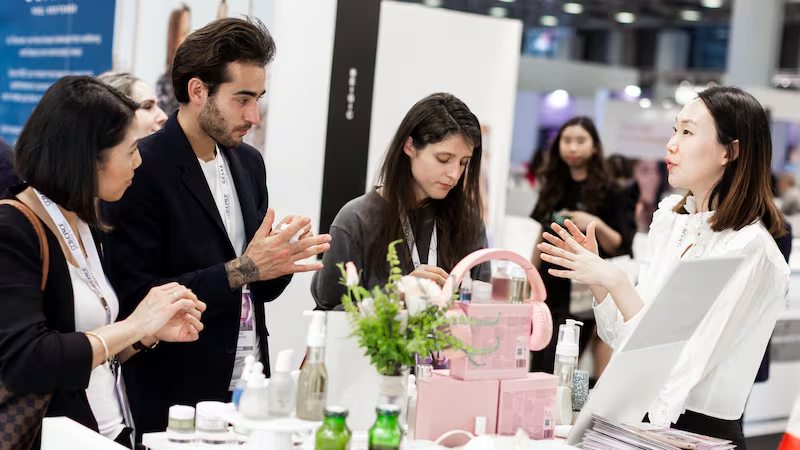
Inside the Worldwide Beauty Market and Style Movement
Inside the Worldwide Beauty Market and Style Movement – The worldwide beauty market is no longer just about makeup, skincare, or fashion trends. It has evolved into a massive global movement that reflects lifestyle choices, cultural identity, technology, and personal expression. From luxury beauty brands in Paris to indie skincare startups in Seoul, the beauty and style industry continues to shape how people see themselves and the world around them.
Today, beauty is not defined by a single standard. It is fluid, inclusive, and constantly changing. Understanding how this global beauty market works gives us a clearer picture of where style, culture, and consumer behavior are heading.
The Global Beauty Market at a Glance
The worldwide beauty market is one of the fastest-growing industries globally. It includes skincare, cosmetics, haircare, fragrance, personal care, and fashion-related lifestyle products. What makes this market unique is its ability to adapt quickly to social changes and consumer expectations.
In recent years, consumers have become more educated. They read ingredient labels, follow beauty influencers, and demand transparency from brands. This shift has pushed companies to innovate not only in product formulation but also in branding, marketing, and sustainability.
Emerging markets in Asia, the Middle East, and Latin America now play a major role in shaping global beauty trends. These regions are no longer just consumers but trendsetters influencing global style movements.
How Style Movements Shape Beauty Trends
Beauty and style have always been connected, but today the relationship is stronger than ever. Style movements influence makeup looks, skincare routines, and even fragrance preferences.
Minimalist fashion trends have fueled the rise of clean beauty and simple skincare routines. On the other hand, bold streetwear culture has inspired expressive makeup styles, vibrant colors, and experimental looks.
Cultural Influence on Beauty Standards
Cultural diversity is one of the biggest drivers in the worldwide beauty market. Each region brings its own definition of beauty, shaped by tradition, climate, and social values.
For example, Asian beauty trends often focus on skin health, hydration, and prevention. Western markets tend to emphasize individuality, self-expression, and bold aesthetics. African and Middle Eastern beauty traditions highlight natural ingredients, oils, and rich textures.
Instead of competing, these cultures now influence each other. The result is a global beauty movement that blends ideas, rituals, and styles into something entirely new.
The Rise of Conscious and Clean Beauty
One of the most important shifts in the worldwide beauty market is the rise of conscious beauty. Consumers are no longer buying products just because they look good. They want to know how products are made, where ingredients come from, and whether brands align with their values.
Clean beauty, cruelty-free products, vegan formulas, and eco-friendly packaging have become mainstream. What started as a niche movement is now a standard expectation for many consumers.
This trend has also changed how brands communicate. Marketing messages are more educational, focusing on benefits, science, and ethics rather than exaggerated claims.
Sustainability as a Style Statement
Sustainability is no longer just a corporate responsibility. It has become a style statement. Consumers proudly support brands that use refillable packaging, recycled materials, and ethical sourcing.
In the fashion and beauty world, sustainable choices often reflect personal identity. Choosing eco-friendly skincare or slow fashion pieces sends a message about values, awareness, and lifestyle.
Digital Influence and Social Media Power
Social media has completely transformed the worldwide beauty market. Platforms like Instagram, TikTok, and YouTube have turned everyday users into trendsetters.
Beauty trends now spread globally within days. A skincare routine shared by a creator in one country can influence purchasing behavior across continents. This digital exposure has also given rise to micro-trends, seasonal aesthetics, and viral beauty hacks.
The Role of Influencers and Communities
Influencers are no longer just promoters. They act as educators, reviewers, and community leaders. Audiences trust real experiences more than traditional advertising.
At the same time, online beauty communities have become powerful spaces for sharing honest opinions. Reviews, before-and-after results, and user-generated content play a key role in brand credibility.
This shift has forced brands to be more authentic and responsive. Transparency is no longer optional in the modern beauty market.
Technology and Innovation in Beauty
Technology continues to reshape how beauty products are developed and consumed. From AI-powered skin analysis to personalized product recommendations, innovation is at the core of the industry.
Brands now use data to create customized skincare solutions based on individual needs. Virtual try-on tools allow consumers to test makeup shades before buying, reducing uncertainty and increasing confidence.
Behind the scenes, advanced research and biotechnology have improved product effectiveness while minimizing environmental impact.
Personalization as the New Luxury
In the past, luxury meant exclusivity and price. Today, luxury means personalization. Consumers want products that feel made just for them.
This demand has pushed brands to offer custom formulations, tailored routines, and flexible product systems. Personalization enhances customer loyalty and creates deeper emotional connections.
The Future of the Worldwide Beauty Market
The future of the worldwide beauty market will be defined by balance. Consumers want innovation, but they also want simplicity. They want global trends, but with local authenticity.
Inclusivity will continue to shape the industry. Beauty brands are expanding shade ranges, embracing diverse models, and celebrating all ages, genders, and backgrounds.
Style movements will remain fluid, influenced by global events, digital culture, and evolving social values. Beauty will not just be about appearance but about confidence, wellness, and self-expression.
Final Thoughts on Beauty and Style Evolution
The worldwide beauty market is more than an industry. It is a reflection of how society sees beauty, identity, and creativity. As style movements evolve, beauty becomes a powerful form of storytelling.
Understanding these changes helps consumers make better choices and allows brands to connect more meaningfully with their audience. One thing is clear: beauty will continue to move forward, shaped by culture, technology, and the desire to express individuality in a global world.
Beauty Industry News from Around the Globe
Beauty Industry News from Around the Globe – Beauty industry news from around the globe shows how fast this market is transforming. What was once driven mainly by seasonal makeup launches and celebrity endorsements has evolved into a complex global ecosystem shaped by technology, sustainability, and shifting consumer values. From Asia to Europe and the Americas, beauty brands are adapting to new expectations while competing in an increasingly crowded space.
Skincare remains at the center of this evolution, but haircare, fragrance, and wellness-focused beauty are also gaining momentum. Global consumers are more informed than ever, and their preferences are reshaping how brands innovate, market, and grow internationally.
Global Beauty Market Growth and Regional Highlights
The global beauty industry continues to expand, with strong growth coming from both established and emerging markets. Asia-Pacific remains a major driver, particularly countries like South Korea, China, and Japan, which influence trends worldwide. At the same time, North America and Europe remain key regions for innovation, luxury branding, and scientific research.
Beauty industry news from around the globe often highlights how regional preferences shape product development. For example, lightweight textures and skin-barrier-focused formulas dominate Asian markets, while European consumers tend to prioritize sustainability and minimalistic beauty routines. In the United States, inclusivity and personalization are major selling points.
Emerging markets in Southeast Asia, Latin America, and the Middle East are also attracting global attention. Younger populations, increased digital access, and rising disposable income are creating strong demand for affordable yet effective beauty products.
Skincare Takes the Lead Worldwide
Skincare continues to outperform color cosmetics across most global markets. Consumers are investing more in products that promise long-term skin health rather than instant results. Serums, sunscreens, and treatment-focused products dominate new launches featured in beauty industry news from around the globe.
This shift is closely tied to wellness culture. Skincare is no longer viewed as a luxury but as part of daily self-care. Brands are responding by offering multifunctional products that combine hydration, protection, and anti-aging benefits.
Ingredient Transparency and Skin Education
Consumers now pay close attention to ingredients. Terms like niacinamide, ceramides, peptides, and retinol are widely understood, even by non-experts. Beauty brands are simplifying their messaging and educating customers instead of relying on vague marketing claims.
Transparency builds trust, especially in a global market where misinformation spreads quickly. Brands that clearly explain how their products work tend to perform better across regions.
Sustainability and Clean Beauty as Global Standards
One of the most consistent themes in beauty industry news from around the globe is sustainability. Clean beauty has evolved from a niche category into an industry-wide expectation. Consumers want products that are safe for their skin and less harmful to the environment.
Brands are investing heavily in sustainable packaging, refill systems, and responsible sourcing. Many are also committing to carbon reduction goals and cruelty-free practices. These efforts are no longer just marketing tools but key factors in purchasing decisions.
Greenwashing, however, has become a concern. As a result, consumers are becoming more skeptical and demanding proof behind sustainability claims. Certifications and transparent reporting now play an important role in brand credibility.
Technology Reshaping the Beauty Industry
Technology is rapidly changing how beauty products are developed and sold. Artificial intelligence, data analytics, and biotechnology are becoming essential tools for global beauty brands. Personalized skincare solutions based on skin analysis and lifestyle data are gaining popularity across markets.
Beauty industry news from around the globe often covers the rise of beauty tech startups offering customized formulations. This level of personalization allows brands to stand out in competitive markets and deliver more effective results.
E-Commerce and Digital Beauty Experiences
Digital transformation continues to accelerate. Online shopping, virtual try-ons, and social commerce have become standard across regions. Brands are using augmented reality tools to enhance online experiences and reduce the gap between physical and digital retail.
Livestream shopping, particularly popular in Asia, is expanding into Western markets. These interactive experiences blend entertainment, education, and instant purchasing, creating new opportunities for global brand engagement.
Social Media Influence on Global Beauty Trends
Social media platforms play a critical role in spreading beauty trends worldwide. A product that goes viral in one country can quickly gain global popularity. Beauty industry news from around the globe frequently highlights how platforms like TikTok and Instagram influence purchasing behavior.
Short-form video content has changed how consumers discover products. Authentic reviews, before-and-after results, and routine-based content often outperform traditional advertising. This has shifted power toward creators and everyday users.
Brands now focus on building communities rather than just selling products. Engagement, relatability, and transparency matter more than polished campaigns, especially among younger consumers.
Challenges Facing the Global Beauty Industry
Despite its growth, the beauty industry faces several challenges. Regulatory differences between regions can slow down product launches and increase costs. Ingredient restrictions, labeling requirements, and advertising standards vary widely across countries.
Supply chain disruptions and rising raw material prices also impact global brands. In response, many companies are investing in local production and alternative sourcing to reduce dependency on global logistics.
Beauty industry news from around the globe shows that brands able to adapt quickly and remain flexible are better positioned to navigate these challenges.
The Future of Beauty on a Global Scale
Looking ahead, the global beauty industry is expected to become even more consumer-driven. Personalization, sustainability, and digital integration will continue to define success. Brands that listen to local markets while maintaining a strong global identity will have a competitive advantage.
Science-backed formulations and emotional storytelling will go hand in hand. Consumers want results, but they also want to feel connected to the brands they support.
Beauty industry news from around the globe reflects a market that is constantly evolving, shaped by culture, technology, and changing values. As the industry moves forward, adaptability and authenticity will remain the keys to long-term growth.
International Beauty and Skincare Industry News
International Beauty and Skincare Industry News – The international beauty and skincare industry continues to evolve at a rapid pace. Driven by innovation, shifting consumer behavior, and global economic changes, the market has become one of the most dynamic sectors worldwide. From clean beauty movements to high-tech skincare solutions, international beauty and skincare industry news reflects how brands adapt to stay relevant in a highly competitive environment.
As consumers become more educated and selective, beauty is no longer just about appearance. It is closely linked to wellness, sustainability, and personal identity. This transformation is reshaping how global brands develop products, communicate with audiences, and expand into new markets.
Global Growth of the Beauty and Skincare Market
The beauty and skincare industry remains one of the fastest-growing consumer markets globally. Asia-Pacific continues to dominate growth, while North America and Europe maintain strong positions as innovation hubs. International beauty and skincare industry news frequently highlights how emerging markets such as Southeast Asia, India, and the Middle East are attracting global brands looking for new opportunities.
Rising disposable income and increased exposure to global beauty trends through social media have fueled demand in these regions. Skincare, in particular, has outperformed makeup in recent years, as consumers prioritize long-term skin health over short-term cosmetic effects.
Luxury skincare brands are also expanding their reach by offering entry-level products to attract younger consumers. This strategy allows them to build brand loyalty early while maintaining exclusivity through premium product lines.
Clean Beauty and Sustainability Take Center Stage
One of the most talked-about topics in international beauty and skincare industry news is sustainability. Consumers are paying closer attention to ingredients, sourcing, packaging, and ethical practices. Clean beauty is no longer a niche trend but a mainstream expectation.
Brands are reformulating products to remove controversial ingredients and replace them with plant-based or lab-grown alternatives. Sustainability initiatives now go beyond product formulation. Refillable packaging, carbon-neutral production, and cruelty-free certifications are becoming standard across global markets.
Transparency plays a major role in this shift. Consumers expect brands to clearly communicate what is inside their products and how they are made. Companies that fail to adapt risk losing trust and relevance, especially among younger audiences.
The Rise of Conscious Consumers
Modern beauty consumers want to align their purchases with their values. This has pushed brands to rethink their messaging and supply chains. International beauty and skincare industry news often showcases brands that succeed by combining effective products with ethical storytelling.
Social responsibility, inclusivity, and environmental awareness are no longer optional. They are essential elements of brand identity in the global beauty market.
Technology and Innovation in Skincare
Technology is transforming the beauty and skincare industry at every level. From artificial intelligence to biotechnology, innovation is driving the next generation of skincare solutions. Personalized skincare, powered by data and skin analysis tools, is gaining traction across international markets.
Smart devices and mobile apps allow consumers to track skin conditions and receive customized product recommendations. This shift toward personalization reflects a broader trend in the industry, where one-size-fits-all solutions are becoming obsolete.
Biotech ingredients are another major development. Lab-created actives offer consistent quality, improved efficacy, and reduced environmental impact. International beauty and skincare industry news frequently highlights biotech as a key driver of future growth.
Digital Transformation and E-Commerce Expansion
E-commerce continues to reshape how consumers discover and purchase beauty products. Online platforms, social commerce, and influencer marketing play a critical role in global brand strategies. Direct-to-consumer models allow brands to build stronger relationships with customers while gathering valuable insights.
Livestream shopping and virtual consultations are becoming more common, especially in Asia. These digital experiences bridge the gap between online convenience and in-store interaction, offering a new way to engage global audiences.
The Influence of Social Media and Global Trends
Social media remains a powerful force in shaping international beauty trends. Platforms like Instagram, TikTok, and YouTube influence how products gain popularity across borders. Viral skincare routines and ingredient-focused content can turn niche brands into global sensations overnight.
International beauty and skincare industry news often highlights how trends move faster than ever before. What starts in one country can quickly influence consumers worldwide. This interconnected landscape forces brands to stay agile and responsive.
User-generated content and authentic reviews have become more influential than traditional advertising. Consumers trust real experiences over polished marketing campaigns, pushing brands to embrace authenticity and community-driven growth.
Regulatory Changes and Market Challenges
Despite strong growth, the beauty and skincare industry faces ongoing challenges. Regulatory requirements vary widely across regions, affecting product formulation, labeling, and distribution. Staying compliant while maintaining innovation is a constant balancing act for global brands.
International beauty and skincare industry news frequently reports on changes in regulations related to ingredient safety, sustainability claims, and consumer protection. Brands operating globally must navigate these complexities carefully to avoid reputational and legal risks.
Supply chain disruptions and rising production costs also impact the industry. However, many companies view these challenges as opportunities to invest in local sourcing and more resilient manufacturing processes.
What the Future Holds for the Beauty Industry
Looking ahead, the international beauty and skincare industry is expected to continue evolving toward personalization, sustainability, and digital integration. Consumers will demand more from brands, not only in terms of product performance but also values and transparency.
Innovation will remain at the heart of growth, with science and technology shaping the next generation of skincare solutions. At the same time, emotional connection and brand storytelling will play a crucial role in building long-term loyalty.
International beauty and skincare industry news will continue to reflect a market that is dynamic, competitive, and deeply influenced by global culture. Brands that listen to consumers and adapt quickly will be best positioned to thrive in this ever-changing landscape.
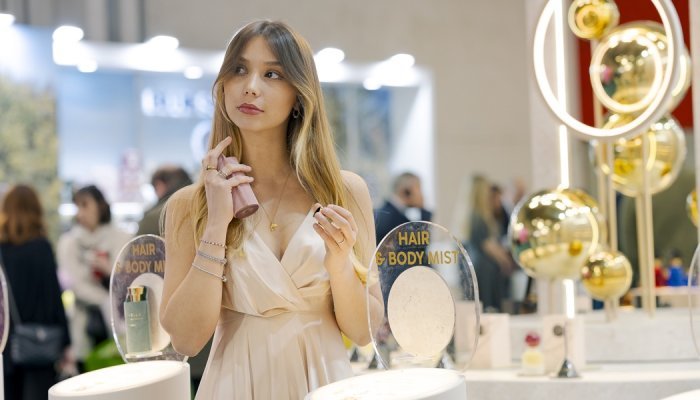
Beauty and Cosmetic Innovations from Around the World
Beauty and Cosmetic Innovations from Around the World – Beauty trends are constantly evolving, and innovations in cosmetics are happening at an incredible pace across the globe. From ancient traditions revived with modern technology to high-tech breakthroughs in skincare, the beauty industry is a melting pot of creativity and science. Exploring these innovations can inspire new routines and products while highlighting how culture influences beauty standards.
The Rise of K-Beauty: South Korea Leading the Way
When it comes to global beauty trends, South Korea has set the standard with its innovative approach to skincare and cosmetics. K-Beauty is more than just a trend; it is a lifestyle that emphasizes healthy, glowing skin. One of the biggest contributions from Korea is the multi-step skincare routine, which focuses on layering products like cleansers, essences, serums, and moisturizers.
Korean brands are also pioneers in using unconventional ingredients in their formulations. Products infused with snail mucin, bee venom, and fermented botanicals have gained international attention for their effectiveness. The focus is not just on cosmetics that cover imperfections but on promoting long-term skin health.
Japanese Beauty Secrets: Minimalism Meets Science
Japan is another country where beauty and innovation intersect uniquely. Japanese beauty, or J-Beauty, is known for its minimalist approach. Instead of complex routines, the emphasis is on high-quality products that deliver results. Sheet masks, gentle exfoliants, and serums that target specific skin concerns have become staples in both domestic and international markets.
Innovation in Japan also extends to beauty tools. Devices like ultrasonic cleansers, LED masks, and facial rollers combine technology with skincare, offering salon-like results at home. Japanese cosmetics companies are also pioneers in sun protection, creating sunscreens that are lightweight, invisible, and effective—something the global market has eagerly adopted.
European Elegance: Innovation Meets Luxury
Europe has a long history of luxury beauty, and countries like France, Italy, and Germany continue to innovate in the cosmetic sector. French skincare brands, for example, often combine natural ingredients with cutting-edge science. From anti-aging creams to soothing facial oils, French cosmetics are synonymous with sophistication and quality.
Italy is recognized for its expertise in color cosmetics. Italian brands focus on pigments, textures, and formulations that cater to professional makeup artists and everyday consumers alike. Meanwhile, Germany has contributed significantly to the science of skincare, particularly with dermatologically tested formulations that are suitable for sensitive skin.
Natural Beauty: Latin America’s Botanical Innovations
Latin America is rich in biodiversity, and this has a direct impact on cosmetic innovation. Countries like Brazil and Colombia are known for using native plants and oils in their products. Ingredients like acai, cupuaçu butter, and maracuja oil are not just exotic—they are scientifically proven to nourish and protect the skin.
Many Latin American brands focus on sustainability, ethical sourcing, and cruelty-free formulations. These values appeal to a global audience that is increasingly conscious about the impact of their beauty choices. The region’s combination of natural ingredients and social responsibility has made it a hub for eco-luxury beauty innovations.
Tech-Driven Beauty: The United States’ High-Tech Approach
The United States has been at the forefront of beauty technology, integrating innovation with accessibility. From AI-driven skincare analysis apps to personalized cosmetic products, the American market thrives on data and personalization.
One major trend is clean beauty. American consumers are demanding transparency in ingredients, and brands are responding with formulations free from harmful chemicals while still delivering results. Startups and established companies alike are experimenting with biotechnology, 3D-printed makeup, and even wearable beauty devices. These tech-driven innovations are shaping the future of cosmetics, making it more personalized and effective than ever.
Middle Eastern Beauty: Luxurious Ingredients and Ancient Rituals
The Middle East has a rich heritage in beauty rituals, many of which are now being modernized. Traditional ingredients such as argan oil, rose water, and black seed oil are incorporated into contemporary products that combine luxury with heritage.
Cosmetic innovation in the region is not just about skincare but also about fragrance and makeup. Perfumed oils, kohl eyeliners, and richly pigmented lipsticks reflect centuries-old beauty traditions while appealing to a modern audience. Middle Eastern beauty brands are increasingly gaining global recognition for their combination of opulence and authenticity.
African Beauty: Heritage Meets Modern Science
Africa is emerging as a major player in the global beauty scene. African beauty innovations focus on harnessing the power of native plants, like shea butter, baobab oil, and marula oil. These ingredients are celebrated for their hydrating, anti-inflammatory, and antioxidant properties.
Modern African beauty brands are blending these traditional ingredients with advanced formulations, creating products that honor cultural heritage while meeting international standards. Additionally, there is a growing emphasis on inclusivity, with products designed for a wide range of skin tones and hair types, which has helped African brands carve out a global niche.
Global Trends Shaping the Future of Beauty
Across continents, a few universal trends are shaping the future of cosmetics. Sustainability, ethical sourcing, and cruelty-free practices are now non-negotiable for many consumers. Innovations in biotechnology and clean formulations are reducing the reliance on synthetic chemicals without compromising efficacy.
Personalization is another major trend. Brands are developing AI-based tools and diagnostic devices that allow consumers to customize products to their skin type, concerns, and even genetic profile. The integration of technology with traditional beauty practices is redefining how products are created, marketed, and used.
Conclusion: A World United by Beauty Innovation
Beauty is no longer limited by geography. Each region contributes its unique ingredients, techniques, and philosophies to the global cosmetic landscape. South Korea emphasizes routine and efficacy, Japan values precision and technology, Europe blends luxury with science, and Latin America, Africa, and the Middle East highlight the power of natural ingredients and heritage.
As technology and cultural exchange continue to drive innovation, consumers benefit from an unprecedented variety of products that are effective, sustainable, and inclusive. The future of beauty is global, bridging tradition with innovation, and proving that great beauty knows no borders.
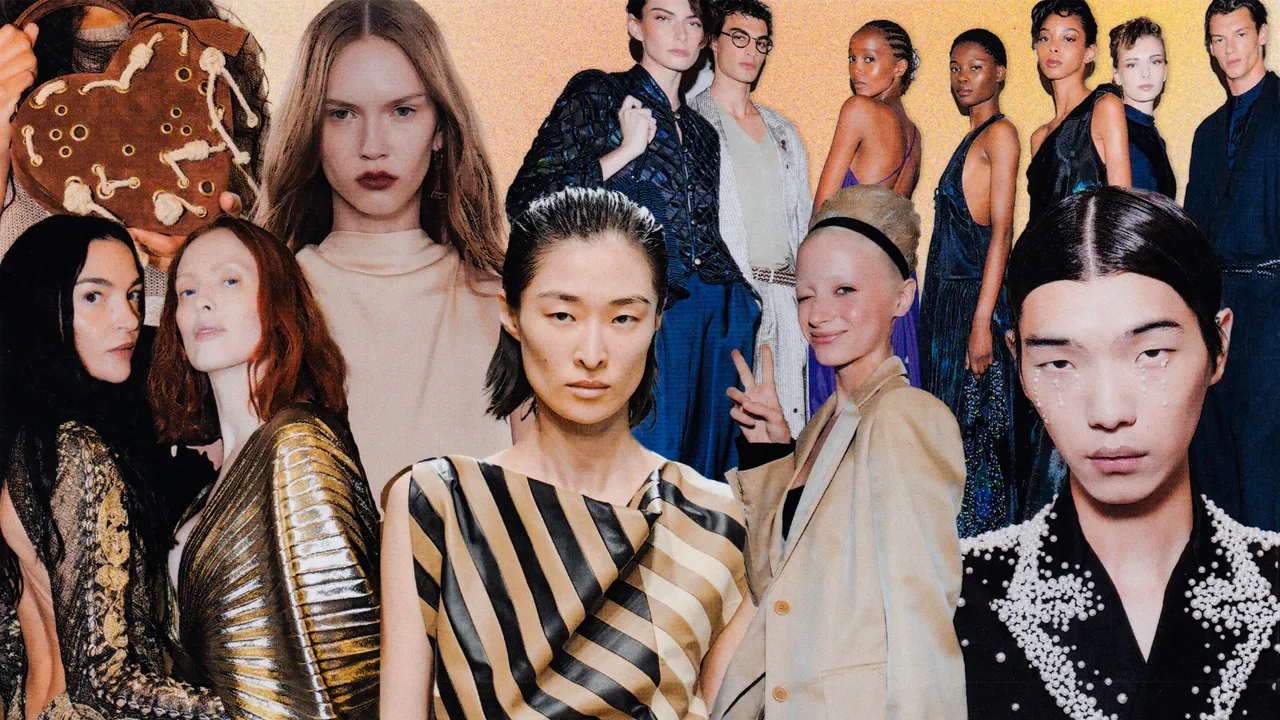
Global Cosmetic Trends Shaping 2026 Beauty Looks
Global Cosmetic Trends Shaping 2026 Beauty Looks – The beauty world is changing fast, and 2026 is shaping up to be a year full of exciting new trends. From bold color choices to skin-first routines, the global cosmetic scene is all about expressing individuality while keeping things natural and sustainable. If you’re curious about what beauty looks will dominate this year, here’s a friendly breakdown of the top trends shaping 2026.
The Rise of “Clean Beauty” Goes Mainstream
Minimal Ingredients, Maximum Impact
In 2026, clean beauty is no longer a niche. It’s becoming a standard. Consumers want products that feel safe, transparent, and effective. Brands are responding by simplifying formulas and using ingredients that are easy to understand. This shift is pushing beauty companies to be more honest about what goes into their products and why.
Transparency Is the New Luxury
People want to know what they’re putting on their skin. That’s why ingredient lists and ethical sourcing are becoming just as important as packaging. Brands that show where their ingredients come from and how they’re made are winning trust and loyalty.
Skinimalism Continues to Dominate
Less Is More
The skinimalism trend is all about embracing your natural skin while using fewer products. Instead of heavy makeup, people are opting for lightweight coverage and skin-friendly formulas. The goal is to look like yourself, just a more refreshed version.
Glow Over Matte
2026 is all about glowing skin. Dewy finishes and subtle highlights are replacing matte, flat looks. Highlighters are being used more strategically, focusing on areas like cheekbones and brow bones to create a natural glow.
Bold Eyebrows and Natural Lashes
The Brow Revival
Eyebrows are still a major focus in 2026. The trend is moving away from overly sculpted brows and toward fuller, more natural shapes. Brow gels and growth serums are becoming essential for achieving that soft, feathery look.
Lash Enhancements Without the Drama
Instead of heavy false lashes, the trend is leaning toward natural lash enhancements. Lash lifts and tints are popular, as they provide definition without looking too dramatic. Mascara is being used to enhance rather than transform.
Futuristic Makeup With a Soft Touch
Soft Metallics and Holographic Hues
2026 is bringing futuristic vibes to everyday makeup. Soft metallic eyeshadows, pearlescent highlighters, and holographic finishes are becoming more common. The key is to keep the look subtle and wearable.
Pastel Colors Make a Comeback
Pastel shades are returning in a big way. Think soft lilacs, pale blues, and gentle pinks. These colors are being used not just on eyes, but also on lips and cheeks for a cohesive, dreamy look.
Beauty Tech Is Changing the Game
Smart Skincare Devices
Technology is making skincare more personalized than ever. Smart devices that analyze skin and recommend routines are becoming more accessible. These tools help users understand their skin better and choose products that truly work.
Virtual Try-Ons and AR Beauty
Trying on makeup virtually is no longer a gimmick. AR technology is improving, making it easier for people to test products before buying. This trend is changing the way consumers shop for beauty, especially online.
Sustainable Packaging and Eco-Friendly Products
Refillable and Recyclable Options
Sustainability is no longer optional. In 2026, many brands are offering refillable packaging and using recyclable materials. This shift is not only good for the planet, but it also appeals to consumers who want to make conscious choices.
Clean Ingredients, Ethical Sourcing
Beyond packaging, brands are focusing on ethical sourcing and cruelty-free practices. Consumers are more aware of where their products come from, and they want to support brands that align with their values.
Inclusive Beauty Takes Center Stage
Makeup for Every Skin Tone
Inclusivity continues to be a major focus in 2026. Brands are expanding shade ranges and creating products that work for a wide variety of skin tones. This trend is helping more people feel represented and confident.
Beauty Beyond Gender
Beauty is becoming more inclusive in terms of gender as well. Products are being marketed in a way that appeals to everyone, regardless of gender identity. This shift is making the beauty world more welcoming and diverse.
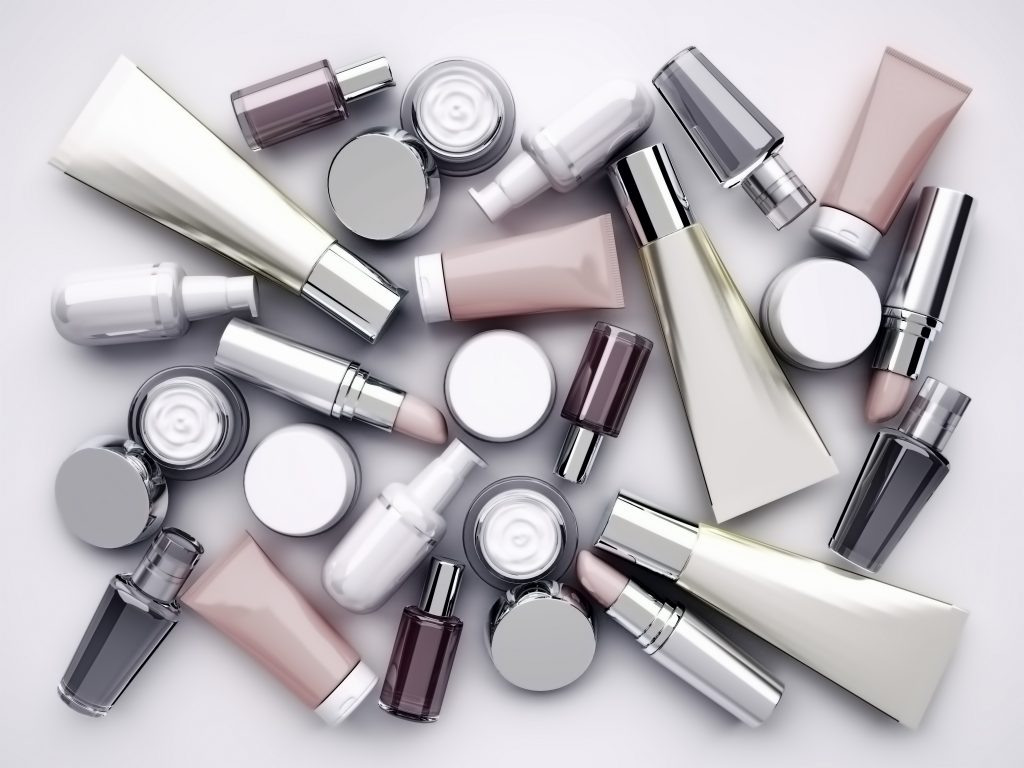
Global Beauty And Cosmetic Trends Innovation And Market Growth
Global Beauty And Cosmetic Trends Innovation And Market Growth Up – The beauty and cosmetic industry has always been dynamic, reflecting societal trends, technological innovation, and changing consumer demands. Over the past few years, the industry has seen an unprecedented surge in creativity and growth, fueled by digital transformation, sustainability, and a growing focus on wellness. For brands and consumers alike, staying ahead of trends has never been more exciting or competitive.
The Rise of Global Beauty Trends
One of the most striking developments in the beauty world is the globalization of trends. Social media platforms like Instagram, TikTok, and YouTube have made beauty inspiration accessible to everyone. A makeup style that starts in Seoul can quickly become a global phenomenon, while skincare routines popular in Europe influence markets in the Americas and Asia.
Consumers are increasingly aware of cultural nuances in beauty, embracing products that cater to diverse skin tones, hair types, and personal preferences. This awareness has prompted brands to develop products that are inclusive, leading to a surge in offerings that cater to all skin tones and types, from foundations to haircare solutions.
Innovation Driving the Beauty Market
Innovation has been a key driver of growth in the cosmetics sector. Modern consumers are not just looking for products; they are looking for solutions that combine effectiveness with convenience. For instance, the rise of hybrid products—such as tinted moisturizers with SPF or foundation with built-in skincare benefits—reflects a demand for multifunctional beauty items.
Additionally, technology has opened new avenues for personalization. Brands are leveraging artificial intelligence and augmented reality to create virtual try-on experiences, helping consumers find the perfect shade or style without leaving their homes. This has been particularly transformative in the online retail space, where the tactile experience of testing products used to be a major barrier.
Another area of innovation is in product formulation. Consumers now expect high-quality, clean ingredients, and brands are responding with formulas that are free from harmful chemicals, cruelty-free, and eco-conscious. The rise of biotech beauty, using lab-grown ingredients and sustainable sourcing, is another exciting development shaping the future of the market.
Market Growth: A Global Perspective
The beauty and cosmetics industry has shown impressive resilience, even during economic uncertainties. Analysts predict continued growth, driven by increasing disposable income, online retail expansion, and heightened consumer interest in self-care. Asia-Pacific remains one of the fastest-growing regions, fueled by countries like China, South Korea, and India, where urbanization and a rising middle class drive demand for both luxury and mass-market products.
North America and Europe continue to see steady growth, particularly in segments like skincare, anti-aging, and wellness-oriented cosmetics. Meanwhile, emerging markets in Latin America, Africa, and the Middle East are experiencing a surge in interest, with younger demographics seeking high-quality products and international beauty brands.
Sustainability and Ethical Beauty
Sustainability has become more than just a buzzword—it is a core expectation from modern consumers. People are increasingly scrutinizing product packaging, ingredient sourcing, and brand ethics. Companies that prioritize eco-friendly packaging, carbon footprint reduction, and ethical production practices are not only gaining customer loyalty but also driving industry-wide innovation.
Ethical beauty extends beyond environmental concerns. Consumers want to support brands that are inclusive, diverse, and transparent about their supply chains. This shift is influencing the way companies approach marketing, product development, and corporate responsibility.
Digital Transformation in Beauty
The rise of e-commerce has transformed the way beauty products are marketed and sold. Online platforms allow brands to reach a global audience instantly, while digital marketing strategies, including influencer partnerships and social commerce, amplify visibility and engagement.
Personalization is another major trend in digital beauty. Brands are collecting data to understand consumer preferences and create tailored experiences. This might include personalized skincare routines, AI-driven product recommendations, or subscription-based models that provide products based on individual needs.
Social media trends also play a pivotal role. Viral content can turn small niche products into global sensations overnight. As a result, companies are increasingly agile, adapting product launches and campaigns based on real-time consumer feedback.
The Future of Beauty and Cosmetics
Looking ahead, the industry is expected to continue evolving at a rapid pace. Consumers will demand more transparency, multifunctional products, and sustainable practices. Technology will play a bigger role in both product development and marketing, creating immersive experiences that blend digital and physical beauty.
Innovation will likely focus on advanced skincare solutions, personalized cosmetic formulations, and sustainable manufacturing methods. Meanwhile, global trends such as inclusivity, wellness-oriented beauty, and clean formulations will remain central to market growth.
For brands, the key will be balancing creativity with responsibility—delivering products that resonate with consumers while respecting the planet and society. Those who can anticipate trends, leverage technology, and align with consumer values will lead the next wave of growth in the beauty and cosmetics market.
Conclusion
The global beauty and cosmetics industry is more vibrant and innovative than ever. From technology-driven personalization to sustainable formulations and inclusive products, the market is evolving to meet the needs of diverse, conscious consumers. With continued innovation and a keen understanding of global trends, the industry is set for sustained growth, offering exciting opportunities for brands and consumers alike.
As trends continue to cross borders and innovation drives new possibilities, one thing is clear: beauty is no longer just about appearance—it is about experience, ethics, and empowerment.
Global Beauty Cosmetic News Trends Updates Products Reviews
Global Beauty Cosmetic News Trends Updates Products Reviews
Global Beauty Cosmetic News Trends Updates Products Reviews – The beauty industry has evolved rapidly over the past few years, with new innovations, trends, and product launches hitting the market regularly. Whether you’re a skincare enthusiast, a makeup lover, or someone who enjoys experimenting with new beauty products, keeping up with the latest beauty cosmetic news, trends, and updates is essential. This article will give you an overview of some exciting trends in the global beauty market, introduce you to the hottest products, and provide reviews to help you stay informed.
As the beauty industry grows, brands are continuously coming out with new releases that aim to meet consumers’ ever-changing demands. From sustainable beauty to skincare-focused makeup, there’s no shortage of exciting innovations. This year, we’ve seen beauty companies embracing inclusivity, advancing their eco-friendly efforts, and improving the quality and performance of their products. As a result, beauty lovers around the world are enjoying a more diverse range of products than ever before.
Global Beauty Trends You Need to Know About
The beauty industry is no stranger to trends that dominate the market for a season or a year. However, some trends are emerging that seem like they are here to stay. These trends reflect both shifts in consumer preferences and technological advances in the cosmetic world.
One significant trend this year is the rise of “clean beauty.” Consumers are increasingly aware of what goes into their products and how those ingredients affect their skin. Brands are now formulating products with non-toxic, sustainable, and ethical ingredients. This has led to a surge in demand for clean, cruelty-free, and vegan beauty products, as well as packaging that minimizes environmental impact.
Another trend is the growth of personalized beauty products. With advances in technology, brands now offer solutions that are tailor-made for individual skin needs. From customized skincare routines to foundation shades that match your unique undertones, personalization is changing the way we approach beauty. Brands that provide personalized beauty solutions are gaining popularity because they take the guesswork out of finding the right products for your skin type and concerns.
In the realm of makeup, minimalism is taking over. Instead of piling on layers of makeup, consumers are opting for a more natural, “no-makeup” makeup look. This trend emphasizes fresh, dewy skin, soft eyeshadows, and minimalistic lips. The idea is to enhance your natural features without overloading on product. This trend has also given rise to multipurpose beauty products, such as tinted moisturizers with SPF, that simplify beauty routines.
Product Launches Making Waves in the Beauty World
As beauty trends evolve, so do the products on the market. Some of the most exciting launches in 2026 have centered around sustainability and innovation. Eco-friendly packaging is more common now, with brands opting for recyclable or refillable containers. This shift in packaging design is a response to growing environmental concerns among consumers, who are now more likely to support brands that contribute to a more sustainable future.
One highly anticipated launch this year was the new anti-aging serum from a luxury skincare brand that incorporates groundbreaking technology. This serum uses plant stem cell technology, promising to boost collagen production and rejuvenate the skin. The formula is packed with antioxidants and hyaluronic acid, which help hydrate and plump the skin, leaving it smooth and youthful.
Additionally, a number of new makeup products have entered the market with exciting claims of long-lasting wear and better skin benefits. A foundation released earlier this year has become a fan favorite due to its buildable coverage and long-lasting formula that doesn’t clog pores. Infused with skin-loving ingredients like vitamin E and peptides, it promises to nourish the skin while giving it a flawless finish.
Haircare is another area of constant innovation, with brands releasing new treatments and styling products designed to target specific hair concerns. One standout product this year was a deep-conditioning hair mask that claims to repair and hydrate dry, damaged hair in just 15 minutes. With ingredients like argan oil and shea butter, this mask is perfect for anyone looking to revive their hair and bring back its natural shine.
Global Beauty Reviews: The Best Products of 2026
Now that we’ve covered some of the major trends and product launches, it’s time to dive into product reviews. Beauty enthusiasts from around the world are always looking for the best products, and with so many choices out there, it can be difficult to know where to start. Here are some of the standout products that have received rave reviews this year.
If you’re searching for a versatile skincare product, the new vitamin C serum from a well-known global skincare brand has been a hit with users. With its potent formula that helps brighten skin and reduce pigmentation, this serum has become a go-to for many. Users report a noticeable improvement in their skin’s texture and tone after just a few weeks of use.
For makeup lovers, the latest mascara from a popular cosmetics brand is a game-changer. Known for its smudge-proof formula and ability to create voluminous lashes, this mascara has gained a loyal following. It provides both length and volume without clumping, and users love that it holds up throughout the day without smearing.
Another beauty product that’s been receiving excellent reviews is the new tinted lip balm. Perfect for those who want a hint of color and hydration, this lip balm comes in a variety of shades, from soft nudes to vibrant reds. It’s lightweight and comfortable on the lips, offering a subtle yet beautiful finish.
For those looking to step up their skincare game, a new exfoliating cleanser with gentle enzymes has quickly gained popularity. It’s designed to remove dead skin cells without irritating the skin, making it suitable for all skin types. With regular use, it leaves the skin looking refreshed and radiant.
Lastly, one product that has created a lot of buzz in the beauty world is a new setting spray. This setting spray promises to lock in makeup for up to 16 hours, even in humid conditions. It also hydrates the skin and gives a dewy finish, making it a must-have for anyone who wants their makeup to stay in place throughout the day.
Conclusion: Beauty’s Future Is Bright
The beauty industry is continuously evolving, and 2026 has proven to be an exciting year for new innovations, trends, and products. From clean beauty to personalized skincare, the future of cosmetics looks more inclusive and eco-friendly. As consumers become more conscious about the ingredients in their products and the environmental impact of packaging, beauty brands are responding with smarter, more sustainable options.
With so many new products hitting the market, it’s easier than ever to find something that suits your needs, whether you’re looking for skincare, makeup, or haircare. Stay on top of the latest beauty trends and product reviews to ensure you’re always in the know and ready to try the best and most innovative products.
As we continue to explore new beauty frontiers, one thing is certain: the beauty world will always have something exciting to offer, and there’s never been a better time to be a beauty lover.
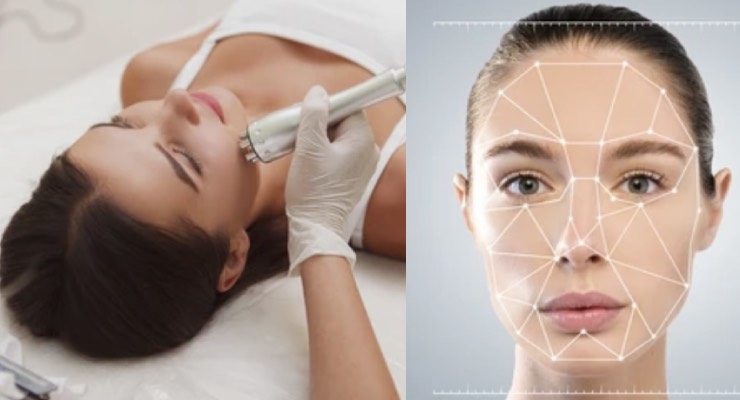
Global Beauty Cosmetic News Updates Trends And Innovations
Global Beauty: Cosmetic News, Updates, Trends, and Innovations
Global Beauty Cosmetic News Updates Trends And Innovations – The beauty industry is evolving at a remarkable pace, with innovations reshaping skincare, makeup, and personal care. Staying informed about trends and developments is essential for both consumers and professionals.
Emerging Trends in Beauty
From clean and sustainable beauty to tech-driven skincare solutions, modern trends focus on personalization, efficacy, and environmental responsibility. Consumers increasingly seek products that align with their values and lifestyle.
Innovations Driving the Market
Innovations like AI-powered skincare apps, hybrid cosmetic products, and advanced formulations enhance results and convenience. Cutting-edge tools allow beauty enthusiasts to explore new ways to maintain and enhance their appearance.
Global Updates
International markets influence trends, with cultural diversity inspiring new product lines, techniques, and aesthetics. Following global news keeps brands and consumers aware of emerging patterns and innovations.
Safety and Efficacy
Amid trends and new products, safety remains paramount. Understanding ingredients, proper usage, and certified standards ensures that beauty routines are effective and safe.
Conclusion
The beauty industry continues to innovate, blending creativity, science, and culture. Staying updated on global trends, new products, and technological advancements empowers individuals to make informed choices and embrace effective, safe beauty solutions.
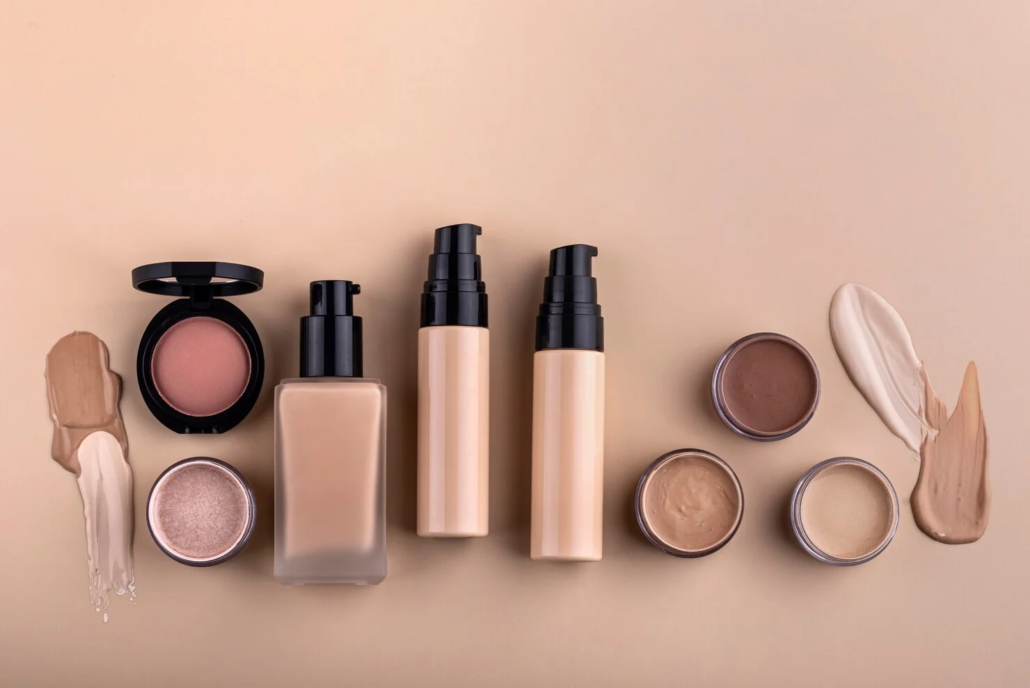
Worldwide Beauty Updates Cosmetic Trends New Products
The Fast-Moving World of Beauty
Worldwide Beauty Updates Cosmetic Trends New Products and News – The beauty industry is constantly evolving. Every season brings new cosmetic trends, innovative products, and fresh ideas that reshape how people care for their skin, hair, and overall appearance. From luxury brands to indie labels, worldwide beauty updates reflect changing lifestyles, technology, and consumer expectations.
As social media, influencer culture, and scientific innovation continue to grow, beauty news travels faster than ever. What starts as a niche trend can quickly become a global movement.
Global Cosmetic Trends to Watch
Beauty trends are no longer limited by location. A skincare routine popular in Asia can influence Europe, while makeup styles from the United States can trend worldwide within days.
Skin-First Beauty Movement
One of the strongest global trends is the focus on healthy skin. Consumers now prioritize skincare over heavy makeup, choosing products that enhance natural beauty rather than cover imperfections.
Hydration, barrier repair, and gentle ingredients dominate product launches, showing a shift toward long-term skin health.
Minimal and Natural Makeup
Minimal makeup looks continue to gain popularity. Lightweight foundations, tinted moisturizers, and cream-based products allow natural skin texture to show through, creating a fresh and effortless appearance.
This trend supports the idea that beauty should feel comfortable, wearable, and authentic.
Innovation Driving the Beauty Industry
Modern beauty brands rely heavily on innovation. Technology and research play a major role in shaping new cosmetic solutions.
Advanced Skincare Formulas
New formulations now combine science-backed ingredients with cleaner labels. Peptides, ceramides, and advanced antioxidants are becoming standard in many skincare products, offering visible results with minimal irritation.
Brands are investing more in dermatological testing and clinical research to support product performance.
Beauty Tech and Smart Devices
Beauty tools are evolving rapidly. Facial cleansing devices, LED masks, and microcurrent tools are becoming more accessible for home use. These technologies allow consumers to maintain professional-level routines without visiting clinics regularly.
New Product Launches Making Headlines
Beauty news often centers around product launches that introduce new textures, formulas, or concepts.
Skincare Launch Highlights
Recent launches focus on multi-functional products that simplify routines. Hybrid formulas combining serum, moisturizer, and sun protection appeal to consumers seeking convenience without sacrificing results.
Refillable packaging and travel-friendly sizes are also gaining attention across global markets.
Makeup Innovations
Makeup brands are experimenting with flexible pigments, long-wear formulas, and skin-adaptive foundations. Lip products with skincare benefits and breathable eye makeup are especially popular among everyday users.
These innovations aim to balance performance with comfort.
Clean Beauty and Sustainability News
Sustainability has become a defining theme in worldwide beauty updates.
Eco-Friendly Packaging
Brands are reducing waste through recyclable materials, refill systems, and minimal packaging designs. This approach reflects growing consumer awareness about environmental responsibility.
Ethical Sourcing and Transparency
Shoppers increasingly demand transparency. Ingredient sourcing, cruelty-free testing, and ethical labor practices influence purchasing decisions more than ever before.
Beauty companies responding to these expectations are gaining stronger trust and long-term loyalty.
Influence of Social Media on Beauty Trends
Social media platforms play a massive role in spreading beauty trends globally.
Viral Beauty Moments
A single video or product review can drive worldwide demand overnight. Viral skincare routines, makeup techniques, and product recommendations often lead to sold-out launches and long waiting lists.
This rapid exposure shapes brand strategies and product development timelines.
Influencers and Expert Voices
Influencers remain influential, but expert-backed content is gaining traction. Dermatologists, makeup artists, and cosmetic chemists now play a larger role in educating consumers and shaping trend credibility.
Regional Beauty Trends Around the World
While beauty trends are global, regional preferences still play an important role.
Asian Beauty Influence
Asian beauty continues to lead in skincare innovation. Lightweight textures, layered routines, and advanced sun protection remain influential worldwide.
Western Beauty Evolution
Western markets focus on inclusivity, shade diversity, and multifunctional cosmetics. Products are designed to suit various skin tones, types, and lifestyles.
Middle East and Luxury Beauty
Luxury fragrances, bold makeup looks, and premium skincare dominate beauty trends in the Middle East, influencing high-end global brands.
What Beauty News Means for Consumers
Staying updated with beauty news helps consumers make smarter choices.
Smarter Product Selection
Understanding trends and ingredient innovations allows buyers to choose products suited to their skin needs rather than following hype blindly.
Awareness of Industry Shifts
Beauty updates highlight changes in safety standards, regulations, and brand practices. This knowledge empowers consumers to support responsible and transparent companies.
The Future of the Beauty Industry
The beauty industry shows no sign of slowing down. Personalization, sustainability, and technology will continue shaping future developments.
Personalized Beauty Solutions
Customized skincare and makeup based on skin analysis, genetics, and lifestyle data are becoming more common. This approach promises better results and stronger customer satisfaction.
Blending Wellness and Beauty
Beauty and wellness are merging. Products now focus on stress relief, sleep quality, and holistic self-care, reflecting a deeper connection between inner health and outer appearance.
Conclusion: Staying Updated in a Global Beauty Scene
Worldwide beauty updates offer insight into how cosmetics, skincare, and consumer preferences continue to evolve. From new product launches and clean beauty movements to digital innovation and regional influences, beauty news reflects modern lifestyles and creativity.
By staying informed about cosmetic trends and industry developments, consumers can navigate the beauty world with confidence. As innovation accelerates and global influences blend, beauty remains a powerful form of self-expression—constantly changing, inspiring, and redefining what it means to look and feel your best.
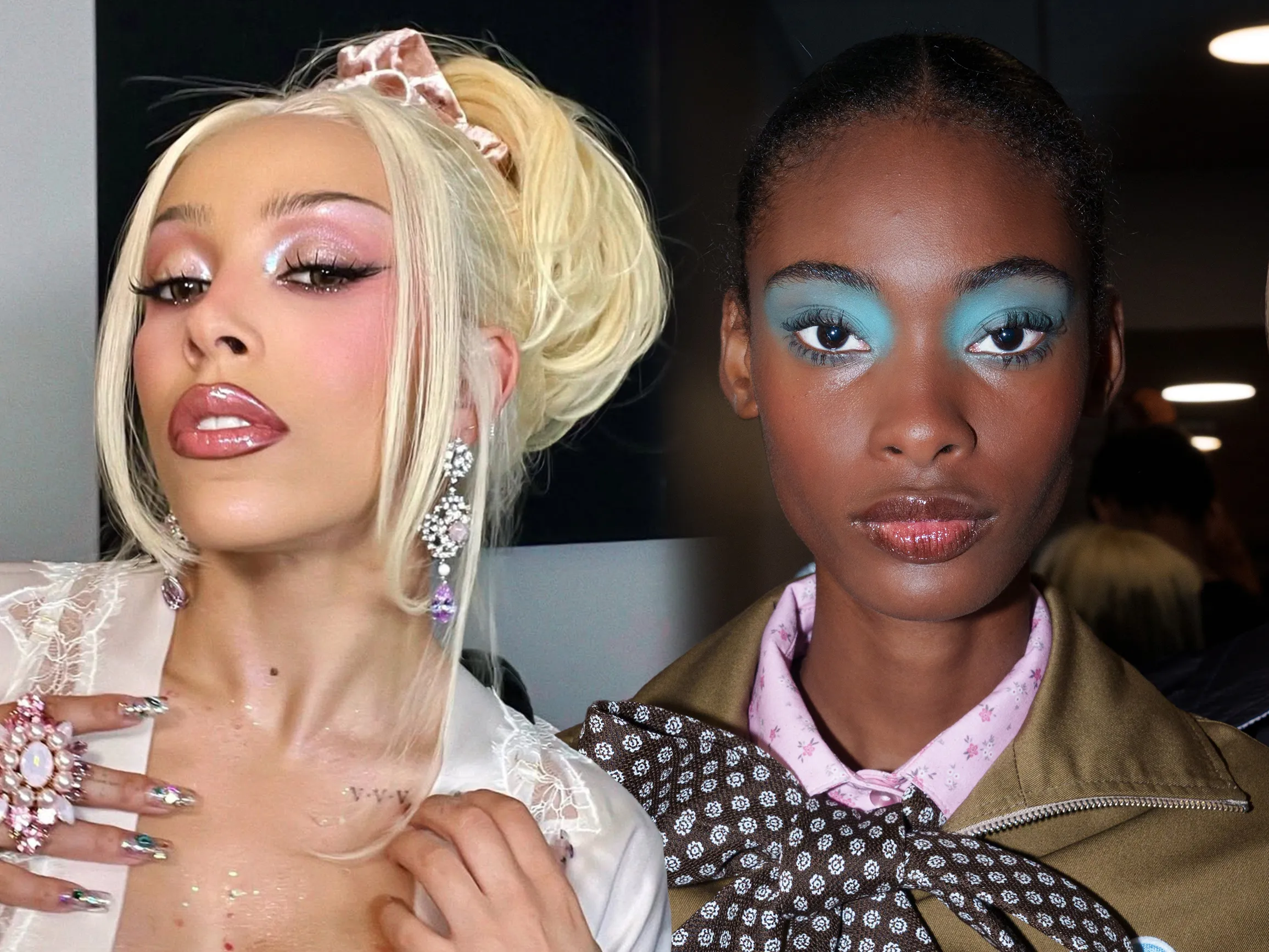
Latest Global Beauty Updates 2026 Cosmetic Trends News
Latest Global Beauty Updates 2026 Cosmetic Trends News And Guide – The global beauty industry in 2026 continues to grow with fresh ideas, smarter products, and changing consumer expectations. Beauty today is no longer limited to makeup or skincare alone. It represents self-care, confidence, and personal identity. From product innovation to global trends, beauty updates in 2026 show how the industry is adapting to modern lifestyles.
As consumers become more informed and selective, cosmetic brands are responding with better formulations, transparent messaging, and creative approaches to beauty.
How the Beauty Industry Is Changing in 2026
In 2026, the beauty industry is more consumer-focused than ever before. Brands listen closely to feedback and adapt quickly to trends. This shift has resulted in more inclusive product lines, improved shade ranges, and formulas designed for diverse skin needs.
Beauty routines are becoming simpler but more effective. Consumers want products that work well without requiring complicated steps. This has encouraged brands to develop multifunctional cosmetics that save time while delivering visible results.
Cosmetic Trends Shaping Global Beauty
Cosmetic trends in 2026 balance natural beauty with bold creativity. Minimal makeup remains popular, emphasizing healthy skin, subtle glow, and soft textures. Lightweight foundations and skin-like finishes are preferred for everyday wear.
At the same time, expressive makeup trends are gaining attention. Bright colors, graphic eyeliner, and artistic designs allow people to experiment and stand out. These trends show that beauty in 2026 embraces individuality rather than strict rules.
Makeup infused with skincare benefits continues to rise. Products that hydrate, protect, and nourish the skin are in high demand, reflecting a desire for beauty that supports long-term skin health.
Skincare Developments and Product Innovation
Skincare remains a core focus of global beauty updates. In 2026, innovation centers on strengthening the skin barrier and maintaining balance. Gentle ingredients and science-backed formulas dominate the market.
Personalized skincare solutions are becoming more accessible. Brands use digital tools to analyze skin concerns and recommend tailored routines. This approach helps consumers choose products with confidence.
Packaging updates also reflect changing values. Refillable designs and sustainable materials are becoming standard as environmental awareness grows.
Consumer Behavior and Beauty Preferences
Beauty consumers in 2026 are more informed and intentional. They research products, read reviews, and value honest communication. Trust plays a key role in purchasing decisions.
Social media still influences beauty trends, but authenticity matters more than popularity. Consumers follow creators who share real experiences and practical advice rather than overly polished content.
Beauty routines are also influenced by lifestyle changes. Products that fit busy schedules and provide comfort and confidence are especially appealing.
Sustainability and Ethical Beauty Movement
Sustainability is a major topic in global beauty news in 2026. Consumers expect brands to reduce environmental impact and adopt ethical practices. This includes responsible sourcing, eco-friendly packaging, and cruelty-free testing.
Transparency is essential. Brands that clearly explain their sustainability efforts build stronger relationships with their audience. Ethical beauty choices are now seen as part of modern self-care.
Technology and Digital Beauty Trends
Technology continues to shape the beauty experience. In 2026, virtual try-on tools and skin analysis apps help consumers make better choices online. These tools improve satisfaction and reduce unnecessary purchases.
Data-driven insights help brands develop products that match consumer needs more accurately. Technology supports innovation while enhancing personalization.
Despite these advances, personal advice from beauty professionals remains valuable. The best beauty experiences combine digital convenience with human expertise.
Global Influence and Emerging Beauty Markets
Global beauty updates in 2026 highlight the influence of emerging markets. Beauty traditions and ingredients from different regions inspire new products and trends worldwide.
Cultural diversity has enriched the beauty industry. Techniques and rituals from various cultures are now shared and celebrated on a global scale.
This exchange of ideas encourages creativity and helps brands reach new audiences.
Expert Insights and Industry Perspectives
Beauty experts emphasize education and awareness in 2026. Understanding ingredients, routines, and skin needs empowers consumers to make better choices.
Industry insights also reveal a growing connection between beauty and wellness. Products that support relaxation, confidence, and emotional well-being are gaining popularity.
This holistic view reflects how beauty fits into a broader lifestyle approach.
What the Future Holds for Global Beauty
Looking ahead, the beauty industry is expected to continue evolving with purpose. Consumers will demand higher standards for quality, safety, and sustainability.
Future trends point toward more personalized routines, cleaner formulas, and innovative textures. Brands that adapt quickly and communicate honestly will remain competitive.
Final Thoughts on Global Beauty Updates 2026
Latest global beauty updates in 2026 show an industry that values innovation, responsibility, and individuality. Cosmetic trends and industry news reflect a shift toward meaningful beauty experiences.
For consumers, staying informed helps make smarter choices and discover products that truly match their needs. For brands, understanding these trends is essential to staying relevant in a dynamic market.
Beauty in 2026 is not just about looking good. It is about feeling confident, informed, and comfortable in your own skin.
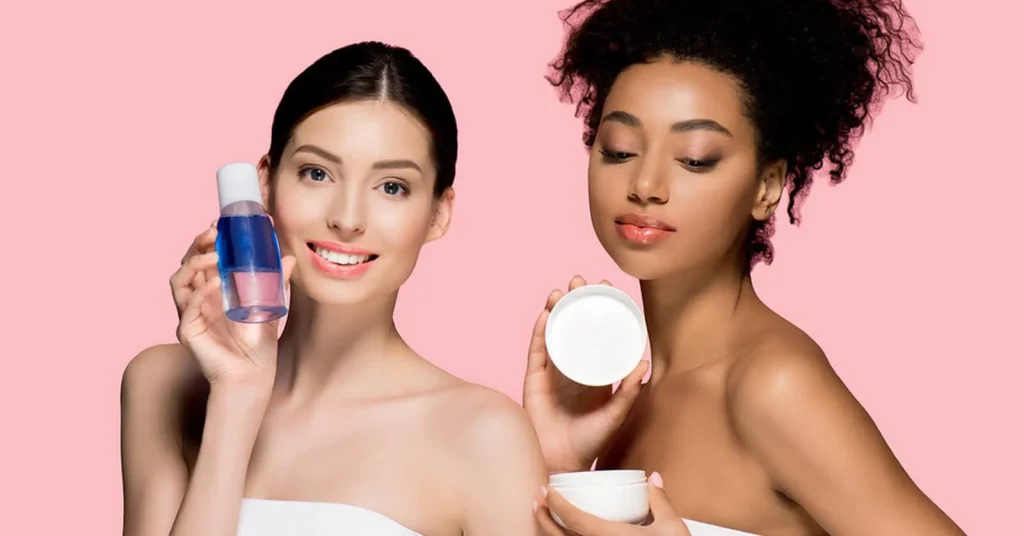
Global Beauty News 2026 Latest Cosmetic Trends Updates
Global Beauty News 2026 Latest Cosmetic Trends Updates And Insights – The global beauty industry in 2026 is moving faster and more creatively than ever before. Cosmetic brands, beauty experts, and consumers are shaping a market that values innovation, self-expression, and personal care. Beauty is no longer just about appearance. It has become a reflection of lifestyle, confidence, and wellness.
As beauty trends continue to evolve, staying updated with global beauty news in 2026 helps consumers understand what is new, what is changing, and what truly matters in cosmetics today.
How the Beauty Industry Is Evolving in 2026
In 2026, the beauty industry is more inclusive and diverse. Brands are expanding shade ranges, creating products for different skin types, and listening more closely to consumer feedback. This shift has changed how beauty products are developed and marketed.
Innovation is also happening behind the scenes. Research and development focus on safer ingredients, improved formulas, and long-term skin health. Consumers now expect cosmetics to deliver real benefits, not just short-term results.
Cosmetic Trends Defining 2026
Cosmetic trends in 2026 focus on balance and simplicity. Natural-looking makeup remains popular, with an emphasis on enhancing features rather than hiding them. Lightweight foundations, soft textures, and multi-use products are becoming everyday essentials.
At the same time, bold beauty expressions are making a comeback. Statement eye makeup, creative colors, and artistic designs allow people to experiment and express individuality. This contrast shows that beauty in 2026 has no single rule.
Skincare-inspired makeup continues to gain attention. Products that combine makeup with skincare benefits appeal to consumers who want efficiency and performance in one step.
Skincare Innovations and Product Updates
Skincare remains at the heart of the beauty industry. In 2026, brands are focusing on barrier repair, hydration, and skin resilience. Ingredients are carefully selected to support long-term skin health rather than quick fixes.
Personalized skincare is also growing. Beauty brands use technology to recommend products based on skin concerns and lifestyle. This approach helps consumers choose routines that fit their needs more accurately.
Updates in packaging also reflect changing priorities. Refillable containers and eco-friendly materials are becoming more common as sustainability becomes a key consideration.
Global Beauty Market and Consumer Behavior
Consumer behavior in 2026 shows a shift toward informed decision-making. Shoppers research ingredients, read reviews, and seek transparency before purchasing products. Trust has become a valuable currency in the beauty industry.
Social media continues to influence beauty trends, but consumers are more selective about who they follow. Authentic voices and honest reviews carry more weight than traditional advertising.
Beauty routines are also becoming more flexible. People choose products that adapt to busy lifestyles while still delivering visible results.
Sustainability and Ethical Beauty Practices
Sustainability is no longer optional in the global beauty industry. In 2026, brands are expected to take responsibility for their environmental impact. This includes reducing waste, improving sourcing practices, and supporting ethical production.
Cruelty-free and ethically produced cosmetics are increasingly popular. Consumers want reassurance that their beauty choices align with their values. Brands that communicate clearly about their practices often build stronger loyalty.
Technology’s Role in Beauty Trends
Technology plays a major role in shaping beauty trends in 2026. Virtual try-on tools, skin analysis apps, and online consultations help consumers make confident choices. These tools improve the shopping experience and reduce unnecessary purchases.
Data-driven insights also help brands understand consumer needs more deeply. This leads to better product development and more targeted innovation.
Despite these advances, personal connection remains important. Beauty experts, consultants, and content creators still play a key role in guiding consumers.
Beauty Industry Insights and Expert Opinions
Experts in the beauty industry emphasize the importance of education and awareness. In 2026, knowledge about skincare and cosmetic use empowers consumers to make better choices.
Industry insights also highlight the growing connection between beauty and wellness. Products that support relaxation, confidence, and emotional well-being are gaining popularity.
This holistic approach reflects a broader understanding of beauty as part of overall health.
Emerging Markets and Global Influence
Global beauty news in 2026 shows strong growth in emerging markets. Regions previously overlooked are now influencing global trends with unique beauty traditions and innovations.
Cultural exchange has enriched the beauty industry. Ingredients, techniques, and routines from different parts of the world are inspiring new products and approaches.
This global influence encourages creativity and helps brands reach diverse audiences.
What to Expect Next in the Beauty Industry
Looking ahead, the beauty industry is expected to continue focusing on innovation and responsibility. Consumers will demand higher standards for quality, safety, and transparency.
Trends suggest that beauty routines will become more personalized, sustainable, and meaningful. Brands that listen to consumers and adapt quickly will remain competitive.
Final Thoughts on Global Beauty News 2026
Global beauty news in 2026 reflects an industry that is evolving with purpose. Cosmetic trends, updates, and insights show a clear move toward authenticity, inclusivity, and long-term care.
For consumers, staying informed means making smarter choices and discovering products that truly fit their needs. For brands, understanding these trends is essential to staying relevant in a competitive market.
Beauty in 2026 is about more than products. It is about confidence, self-expression, and caring for yourself in a way that feels right.